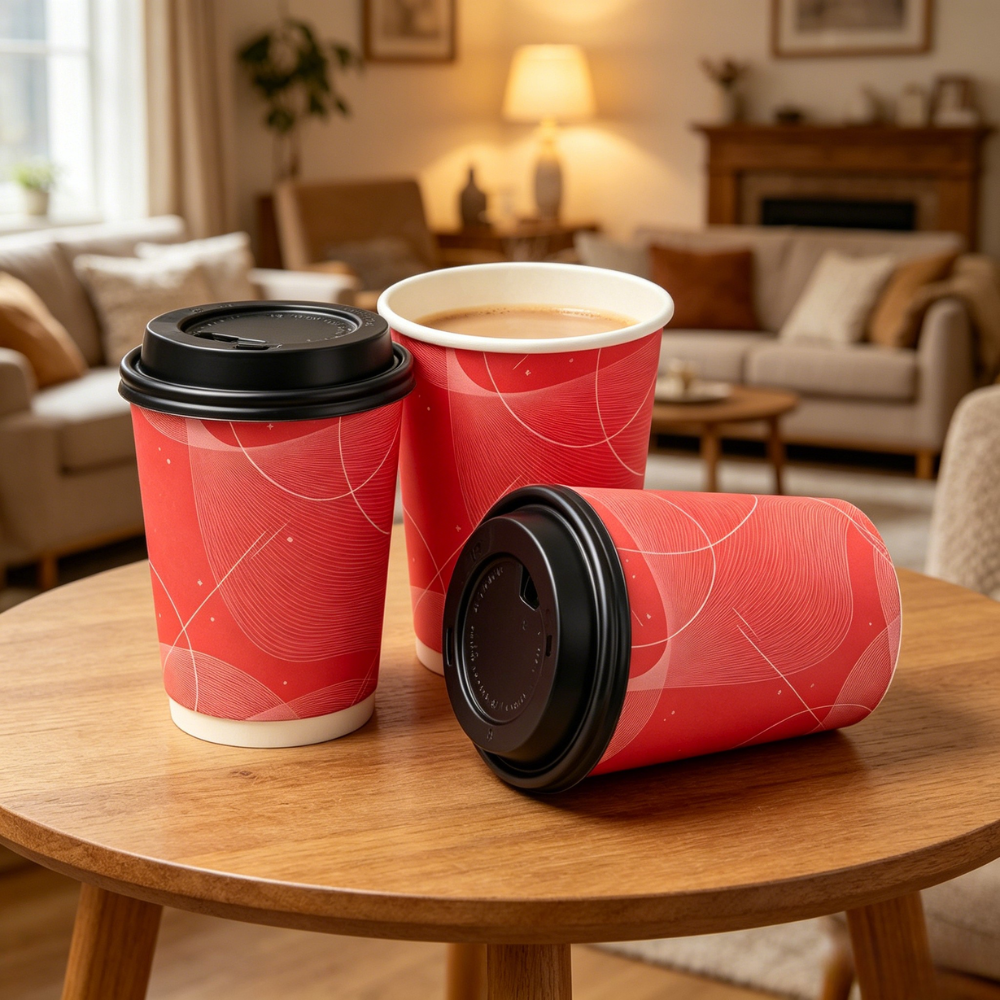
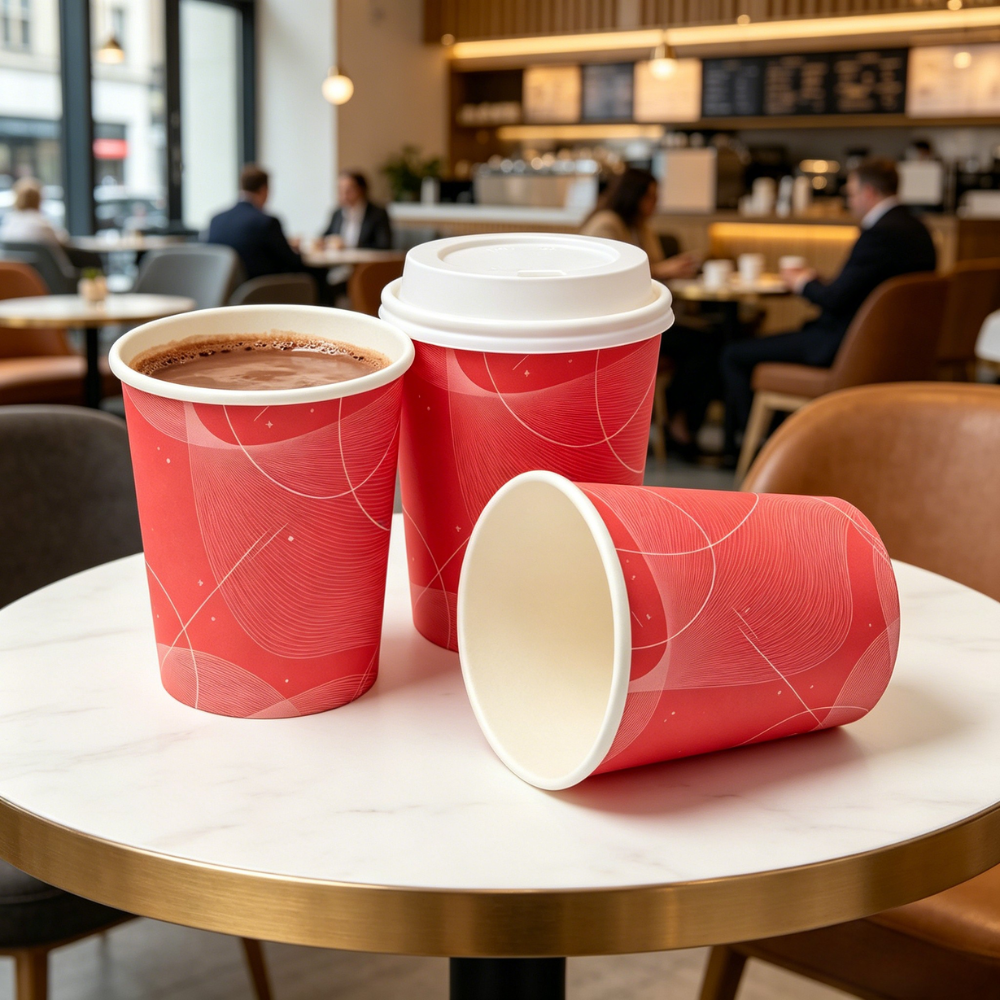
Walk onto the floor of any high-speed packaging conversion facility, and you will quickly learn a harsh truth: a forming machine is only as good as the raw material fed into it.
When a cup forming machine jams, tears a rim, or produces a leaking bottom seam, inexperienced buyers blame the machinery. But veteran packaging engineers know the real culprit is usually the paper cup paper. If the moisture profile is wrong, if the caliper (thickness) fluctuates, or if the coating adhesion is weak, even the most expensive German machinery will produce defective cups.
In the world of paperboard food packaging, the base cup stock is the ultimate foundation of your brand's safety, aesthetics, and profitability. Whether you are a converter buying raw rolls or a global food brand auditing your supplier's materials, you must understand the science behind the board.
Here is an expert’s guide to evaluating paper cup paper, focusing on fiber integrity, barrier coatings, and printability.
Not all paperboard is created equal. In standard logistics packaging, recycled fibers are acceptable. But in premium paperboard food packaging, recycled content introduces severe risks.
Recycled fibers have been processed multiple times, which shortens the fiber length. Short fibers lack the tensile strength required for the aggressive stretching and curling that occurs when forming a cup's rim. More importantly, recycled board can harbor residual mineral oils and chemicals from its previous life, completely disqualifying it from FDA or EU direct food-contact approvals.
This is why high-performance paper cup paper must be manufactured from 100% virgin wood pulp.
At APP, our integration starts at the soil. We cultivate our own PEFC-certified sustainable forests to harvest premium virgin fibers. By controlling the pulping process, we ensure our paper cup paper possesses long, highly interlocked fibers. This creates a board with exceptional stiffness, zero odor, and the precise mechanical stretch needed to survive high-speed cup forming without cracking.
When procuring paper cup paper, buyers often fixate purely on GSM (Grams per Square Meter). While GSM is crucial for pricing (since paper is sold by the ton), the machine operator cares more about the caliper (the actual physical thickness of the board).
If the caliper of your paper cup paper fluctuates within a single master roll, the heat-sealing dies on the forming machine will misfire. Too thin, and the bottom seal won’t bond, causing leaks. Too thick, and the knurling tool will crush the fibers, weakening the base.
Here is a quick reference table for matching GSM to the correct application:
| Base GSM | Common Caliper | Primary Application in Food Packaging |
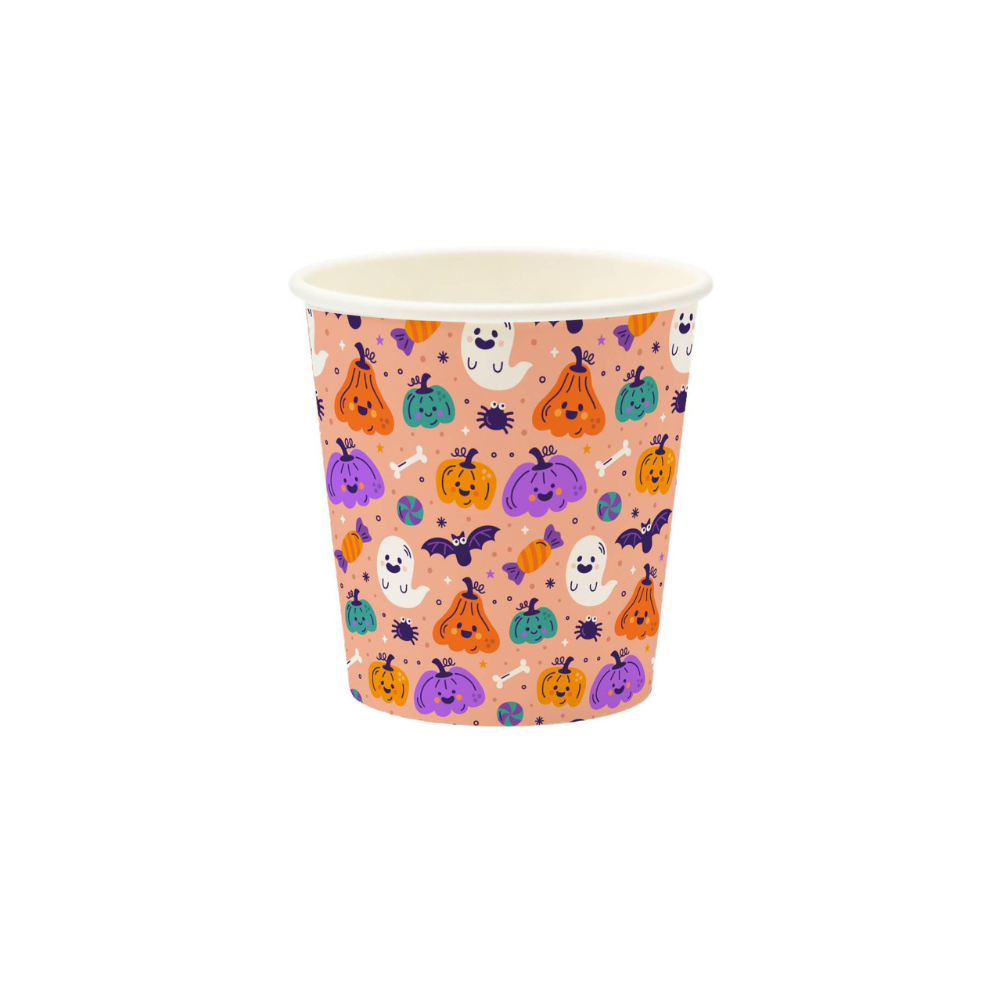
| 190 - 210g | 0.26 - 0.29mm | Small sampling cups, vending machine cups. |
| 230 - 260g | 0.32 - 0.36mm | The industry standard for 8oz - 12oz hot coffee cups. |
| 300 - 330g | 0.40 - 0.45mm | Heavy-duty 16oz+ cups, noodle bowls, and ice cream tubs. |
Through advanced calendering technology at APP mills, our paper cup paper maintains an ultra-strict caliper tolerance across thousands of meters of webbing. This consistency allows converters to run their machines at maximum speed without constant recalibration.
Raw paper acts like a sponge. To hold liquids, the paper cup paper must undergo an extrusion process where a barrier coating is laminated to the surface.
For decades, the undisputed king of this process has been polyethylene coated paper. In standard polyethylene coated paper manufacturing, a thin layer of molten PE resin (usually 15g to 18g per square meter) is extruded directly onto the base board. PE provides phenomenal waterproof capabilities and melts perfectly during the ultrasonic sealing process. If you are producing standard hot cups, single-sided polyethylene coated paper is the most reliable and cost-effective choice. For cold drinks, double-sided polyethylene coated paper prevents exterior condensation from destroying the cup walls.
However, the future of paperboard food packaging is plastic-free.
As global legislation evolves, APP has engineered next-generation barrier boards. We now offer paper cup paper extruded with BPI-certified compostable PLA, as well as revolutionary water-based (aqueous) ECO coatings. These advanced barrier boards run seamlessly on standard forming equipment, providing the exact same leak-proof performance as traditional plastics but with full PFAS-Free and repulpable certifications.
A cup is a billboard your customer holds in their hand for thirty minutes. If the branding looks washed out, your brand equity suffers.
The printability of paper cup paper relies entirely on its surface smoothness and "ink holdout" (the ability of the paper to keep the ink on the surface rather than absorbing it deep into the fibers). If a supplier uses cheap, highly porous base board, the ink sinks in, causing colors to look dull and text to look blurry.
Because APP utilizes pristine virgin pulp, our paper cup paper features an exceptionally bright, white, and smooth uncoated exterior. This optical brightness provides a flawless canvas for both high-speed flexographic and offset printing. The surface tension of our board is mathematically calibrated to hold water-based, food-safe inks perfectly on top, delivering vibrant, high-definition Pantone color matching across millions of impressions.
While the cup wall gets all the attention, modern packaging engineers are increasingly focused on the top of the cup. As brands move away from plastic lids, the demand for high-stretch lid paper has skyrocketed.
Forming a paper lid is incredibly difficult. The lid paper must stretch over a specialized die without tearing, and it must retain its shape when exposed to rising steam. APP engineers specialized lid paper with enhanced cross-direction tensile strength and targeted moisture resistance. When paired with our standard paper cup paper, our lid paper ensures a perfect dimensional lock, creating a 100% plastic-free, leak-resistant packaging solution.
Sourcing raw materials for paperboard food packaging is a game of precision. You cannot compromise on fiber length, caliper consistency, or barrier integrity.
When you purchase your paper cup paper from a fragmented supply chain, you inherit their inconsistencies. By partnering with a fully integrated powerhouse like APP, you secure the entire process. From the sustainable management of the forest and the perfection of the virgin pulp, to the flawless extrusion of our advanced barrier coatings, we deliver master rolls that run faster, print cleaner, and seal perfectly.
Stop fighting your machinery. Upgrade your paper cup paper supply, and let the quality of the raw material drive your operational efficiency.
Our technical team can clarify how these insights apply to your specific product line and market requirements. Reach out to discuss your needs.

 EN