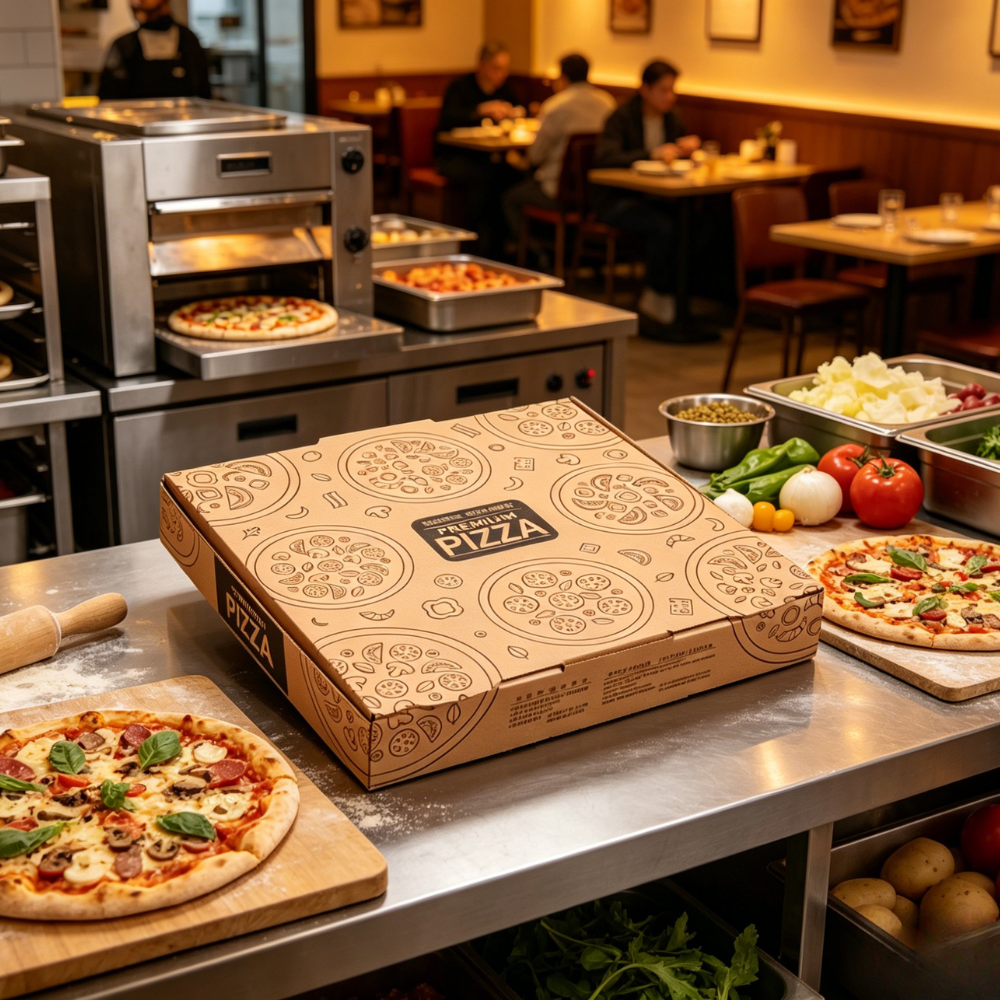
The demand for portion-controlled, single-serving meals has reshaped the global foodservice market. Today, personal-sized pizzas, gourmet flatbreads, and artisan dessert pies are no longer just side menu items; they are primary revenue drivers for cafes, bakeries, and specialized ghost kitchens.
As the food itself shrinks to accommodate individual diners, the packaging must adapt. However, sourcing small pizza boxes is not as simple as asking a manufacturer to shrink a standard 16-inch template. The physics of heat retention, moisture management, and structural folding change dramatically when dealing with reduced dimensions.
For B2B procurement teams, packaging distributors, and restaurant operators, selecting the right small pizza boxes requires a strategic approach. From an experienced manufacturing perspective, here is a practical guide to choosing the correct size, engineering the right structure, and maximizing your print design.
One of the most common mistakes operators make is buying a "one size fits all" small box. If a 6-inch personal pie is placed inside an 8-inch box, the food will inevitably slide around during transit. This friction causes cheese to smear against the side walls and toppings to fall off, resulting in a disastrous customer unboxing experience.
Conversely, if a pizza is crammed into a box that is too tight, the crust will press against the edges, blocking the ventilation holes and trapping excessive steam. This turns a crispy artisan crust into a soggy disappointment.
When sourcing packaging, precision matters. Here is a quick reference guide for common small-format dimensions and their optimal foodservice applications:
| Box Dimension | Ideal Food Application | Target Market |
| 6-Inch | Mini-pizzas, thick cookies, small quiches | Bakeries, school cafeterias, corporate catering |
| 8 inch pizza boxes | Personal pan pizzas, gourmet flatbreads | Food trucks, boutique pizzerias, ghost kitchens |
| 9-Inch | Calzones, sharing-size dessert pizzas | Fast-casual dining, traditional takeaway |
For the highly popular personal pizza category, 8 inch pizza boxes have become the industry standard. They offer enough internal clearance to prevent the crust from touching the sides while keeping the product secure during bumpy car rides in delivery bags.
When designing takeaway pizza boxes, the structural integrity relies heavily on the corrugated flute profile. Standard paperboard (like what is used for cereal boxes) is entirely unsuitable for hot pizza. It provides zero thermal insulation and absorbs grease instantly, causing the box to tear.
For hot food applications, buyers must insist on corrugated pizza boxes. However, not all corrugated board is created equal. The fluting—the wavy paper layer sandwiched between the flat liners—determines both the strength and the foldability of the box.
Another structural challenge specific to small dimensions is "score line tension." On 8 inch pizza boxes, the folding creases are close together. If a manufacturer uses low-grade recycled paper with short fibers, the hinges of the box will crack when the kitchen staff folds them. To prevent this, professional suppliers utilize high-quality virgin pulp for the outer liners. This provides the necessary tensile strength, ensuring the box assembles quickly and smoothly during a lunch rush.
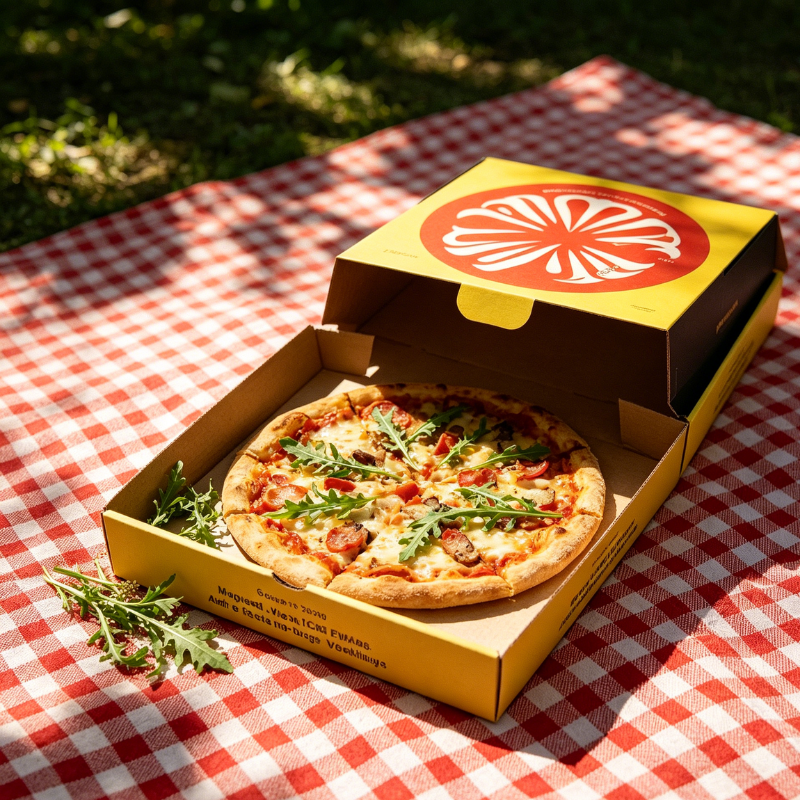
In small packaging, heat and steam are highly concentrated. An 8-inch pizza releases a significant amount of moisture into a very confined space. To combat sogginess, properly engineered corrugated pizza boxes feature strategically placed ventilation holes at the rear corners. These holes allow steam to escape while the corrugated air pockets retain the actual heat.
Furthermore, grease concentration is a major issue. Heavy oils from cheese and pepperoni pool in the center of the box. To maintain compliance with modern food safety standards, buyers should explicitly request PFAS-free barrier coatings. Advanced aqueous (water-based) coatings can be applied to the inside of the box, preventing grease from soaking through to the customer's hands without relying on banned, harmful chemicals.
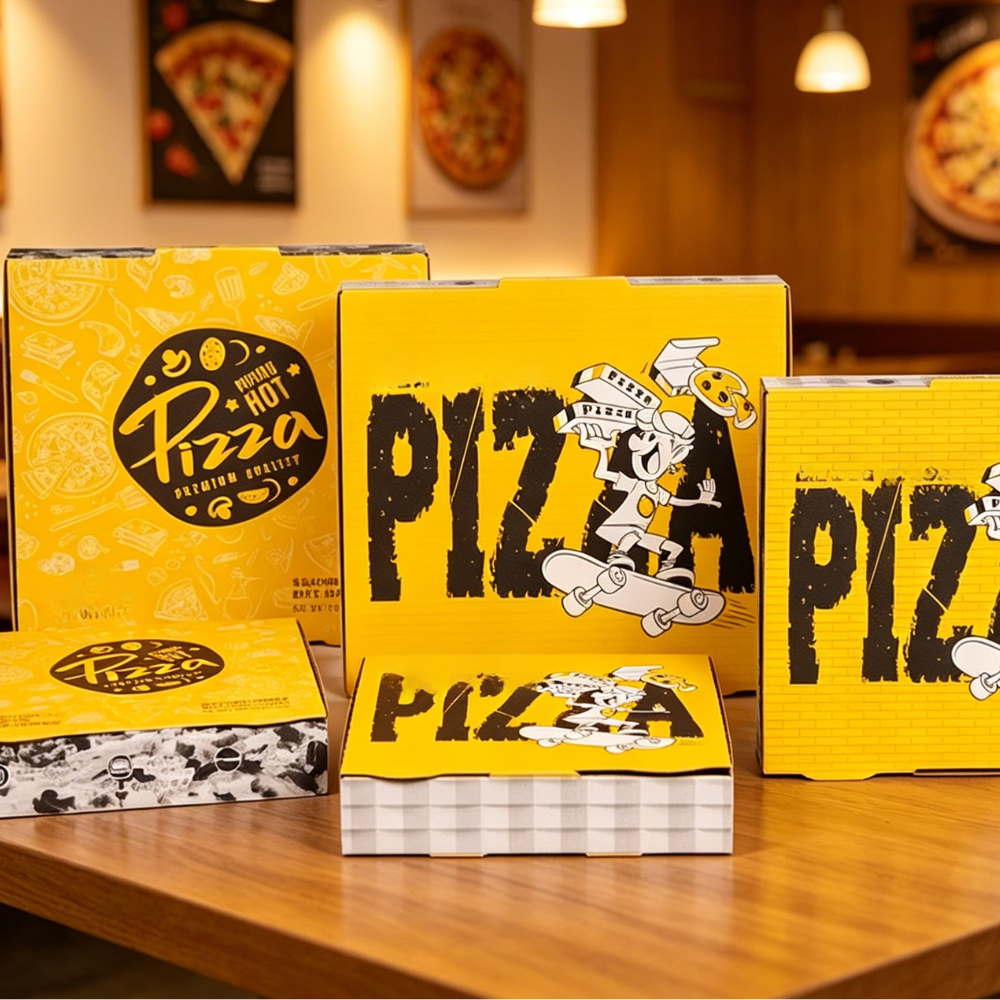
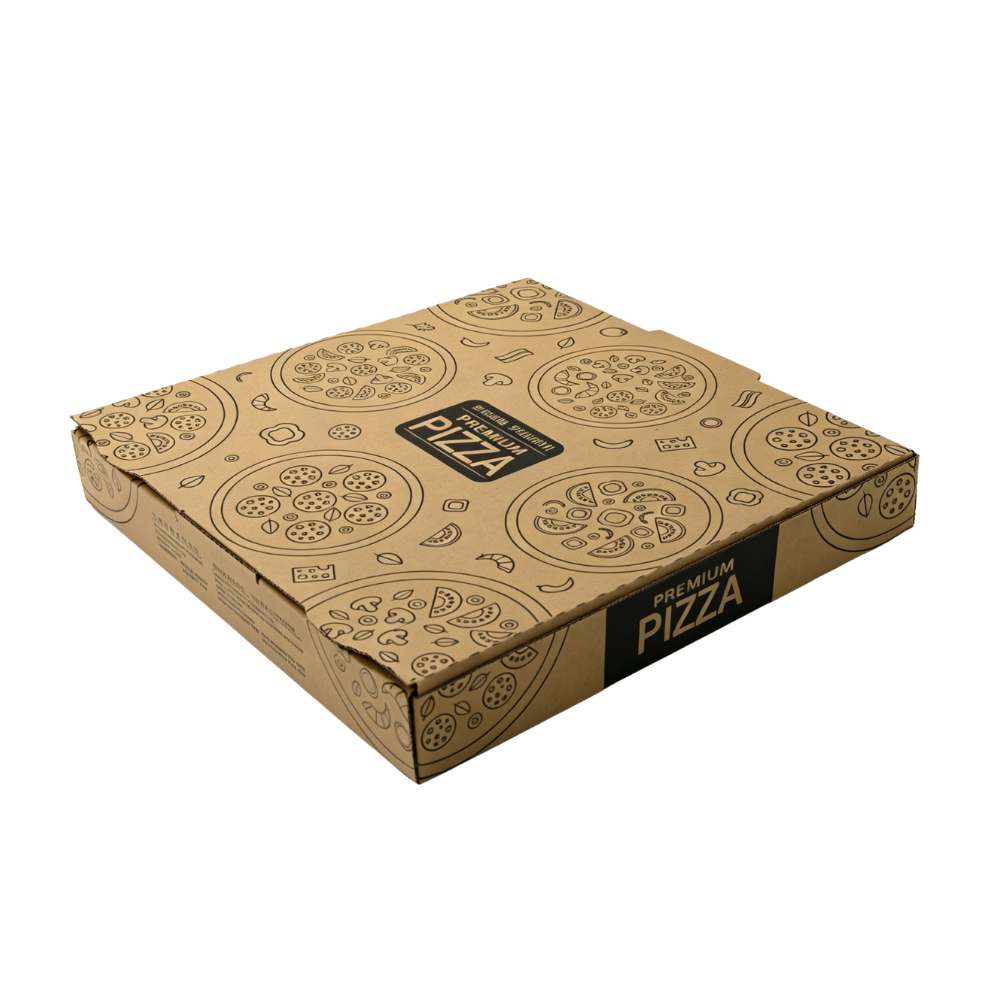
Just because a package is small does not mean its marketing impact should be. In fact, consumers frequently hold small pizza boxes with one hand, bringing the packaging closer to eye level than a large, cumbersome family-size box. This makes them highly effective visual touchpoints.
However, printing on a compact surface area introduces specific technical challenges. A logo that prints clearly on a 16-inch box can become a blurry, unreadable mess when scaled down.
To achieve premium branding, sourcing custom printed pizza boxes requires a manufacturing partner with advanced flexographic or offset printing capabilities. Tight color registration is absolutely critical. When the registration is dialed in, brands can print intricate details—such as social media handles, heating instructions, and high-contrast digital QR codes.
For delivery-focused brands, custom printed pizza boxes featuring a QR code on the lid can be a game-changer. Customers can scan the code while eating their meal, instantly downloading the restaurant's proprietary app or joining a digital loyalty program, thereby bypassing third-party delivery fees on their next order.
Finally, whether you are a regional distributor or a growing restaurant chain, how your packaging is shipped matters just as much as how it performs.
High-quality takeaway pizza boxes are manufactured and shipped flat. Because small boxes require less raw material, a supplier with precision die-cutting equipment can tightly nest and compress thousands of units onto a single shipping pallet. This space optimization drastically reduces ocean freight and warehousing costs.
When selecting a supplier for small pizza boxes, look for an integrated manufacturer who controls the entire process—from sustainable paper sourcing and structural design to mass converting and global logistics. By understanding the specific sizing, fluting, and printing requirements of small-format packaging, procurement teams can secure a reliable supply chain that protects the food, elevates the brand, and improves the bottom line.

Our technical team can clarify how these insights apply to your specific product line and market requirements. Reach out to discuss your needs.

 EN