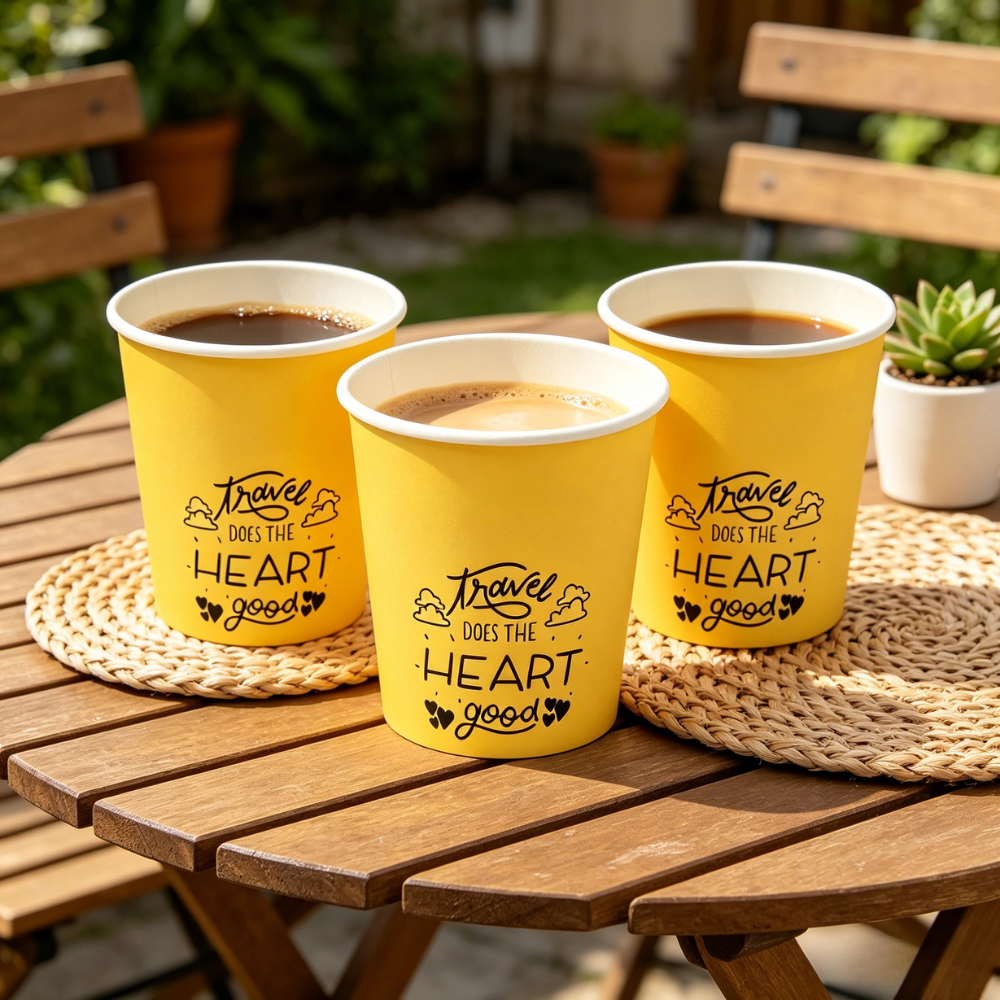
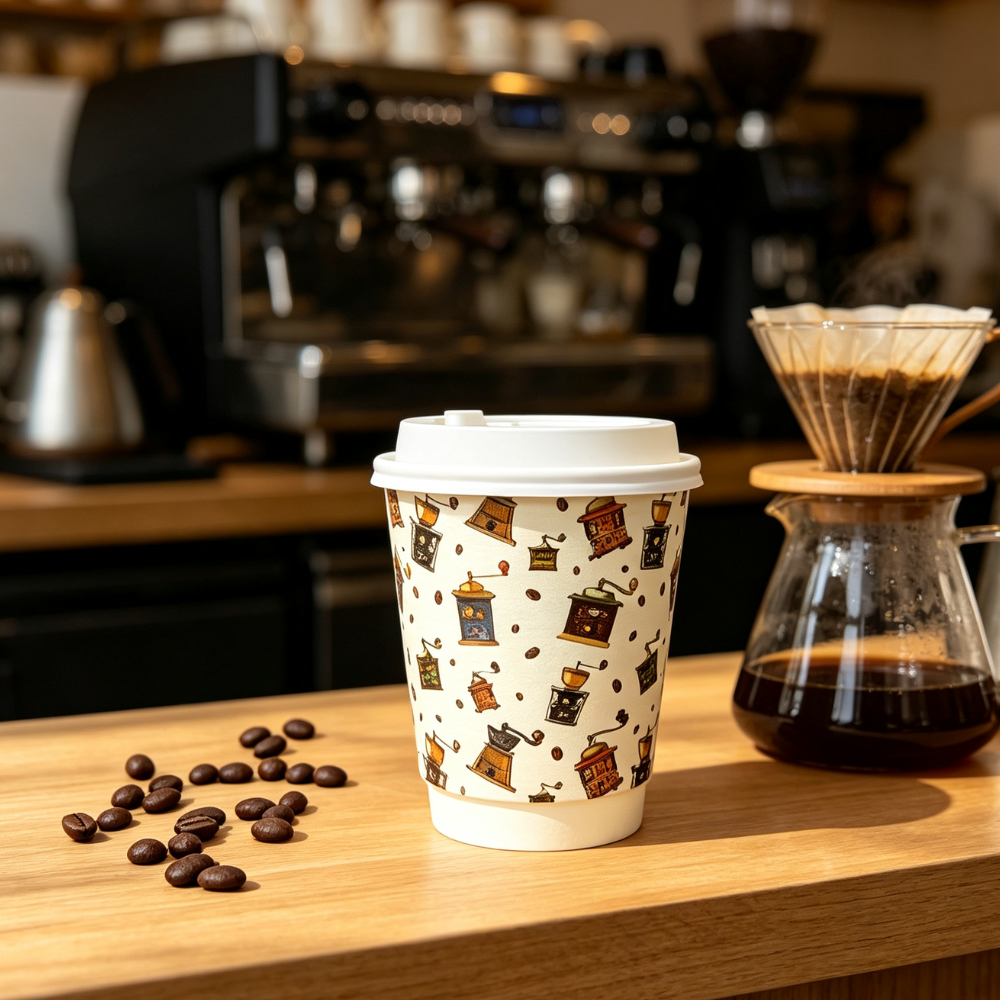
The commercial packaging industry is undergoing a massive structural transformation. For B2B procurement teams, the core takeaway is clear: the modern market for disposable cups is no longer driven strictly by the lowest unit price. Today, purchasing decisions are dictated by strict environmental legislation, the demand for high-ROI custom branding, and the necessity for resilient bulk supply chains.
For decades, foodservice operators viewed disposable cups as a static, behind-the-counter commodity. However, as consumer habits shift toward premium takeaway experiences and global supply chains face ongoing volatility, sourcing packaging has become a highly strategic operation.
From a manufacturing and industry analysis perspective, here is a deep dive into the three macro trends currently reshaping the global disposable cups market and how procurement managers can adapt their purchasing strategies.
The most disruptive force in the disposable cups sector is the aggressive push toward eco-friendly materials. Driven by corporate ESG (Environmental, Social, and Governance) mandates and regional bans on single-use plastics, enterprise buyers are rapidly migrating away from traditional petroleum-based polyethylene (PE) coatings.
Historically, PE was the undisputed standard for waterproofing disposable cups. However, because standard recycling facilities struggle to separate the plastic film from the paperboard, millions of standard cups end up in landfills. This has triggered a massive surge in demand for compostable disposable cups.
Modern manufacturing has evolved to meet this demand without sacrificing structural integrity or thermal resistance. The industry is currently leaning into two primary sustainable technologies:
When transitioning to compostable disposable cups, procurement teams must verify that their manufacturing partners hold valid, globally recognized certifications (such as BPI or DIN CERTCO) to ensure the products genuinely break down under commercial composting conditions.
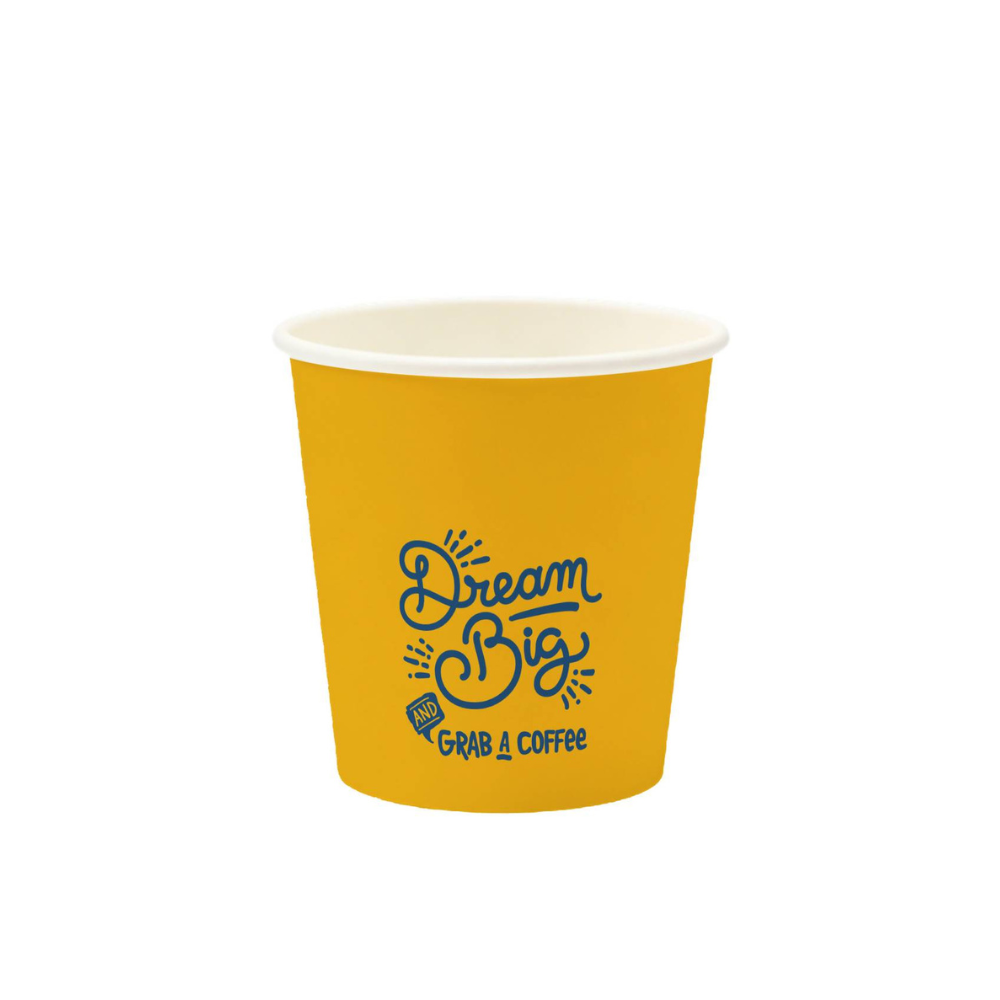
Beyond holding hot or cold liquids, disposable cups have evolved into highly effective, mobile billboards. In a hyper-competitive hospitality market, serving coffee in a plain white container is a missed marketing opportunity. Independent roasteries and international mega-chains alike are reallocating marketing budgets directly into personalised takeaway cups.
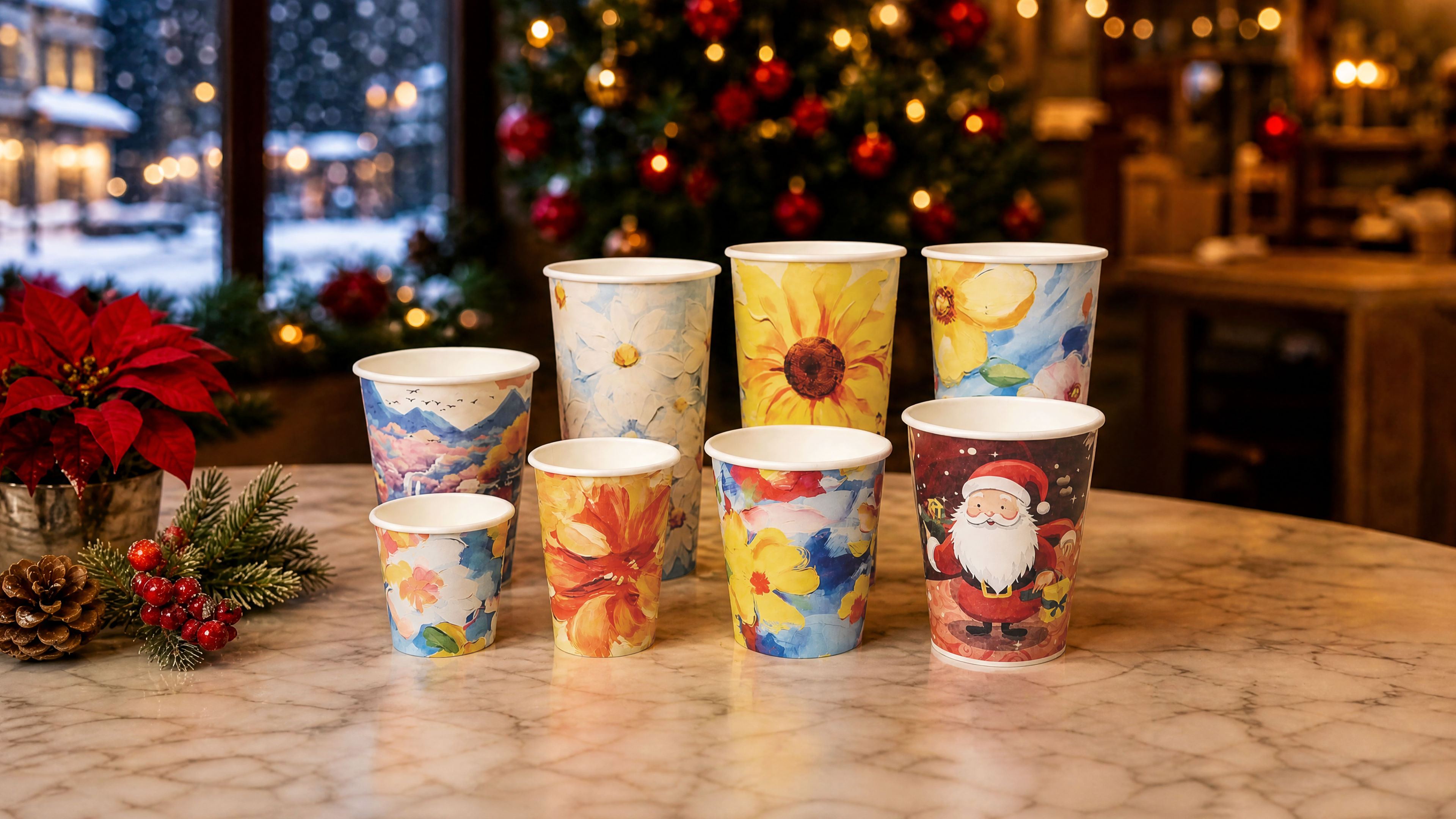
The manufacturing technology behind custom printing has advanced significantly, driving down minimum order quantities (MOQs) and setup costs. This democratization of printing allows even mid-sized regional franchises to compete with global giants in visual presentation.
When sourcing personalised takeaway cups, buyers should be aware of the following printing trends:
The global logistical disruptions of recent years have fundamentally changed how enterprise buyers manage their inventory of disposable cups. The "just-in-time" delivery model has proven fragile, leading major operators to rethink their approach to ordering and warehousing.
To insulate themselves from shipping delays and raw material shortages, buyers are moving toward strategic bulk purchasing while simultaneously consolidating their packaging SKUs. When ordering wholesale paper coffee cups, storing dozens of different cup and lid sizes creates massive warehouse inefficiencies.
A modern procurement strategy involves standardizing the rim diameters across multiple cup volumes. For example, standardizing 8oz, 12oz, and 16oz wholesale paper coffee cups to all feature a universal 90mm top rim allows a franchise to purchase only one type of lid. This heavily streamlines the supply chain and prevents stockouts of incompatible components.
Furthermore, vetting reliable disposable paper cups suppliers has become a rigorous process. Buyers are increasingly partnering with vertically integrated manufacturers.
| Supplier Capability | Why It Matters for B2B Buyers |
| In-House Coating & Printing | Reduces lead times by eliminating third-party processing. Guarantees consistency across batches of disposable cups. |
| Automated QA Testing | High-speed optical sensors reject defective disposable cups before they are boxed, ensuring a zero-leak rate for the end consumer. |
| Global Warehousing | Top disposable paper cups suppliers maintain domestic distribution hubs, allowing buyers to secure wholesale paper coffee cups at bulk pricing without needing to store container-loads on their own premises. |
The market for disposable cups is advancing rapidly. Packaging is no longer an afterthought; it is a critical component of brand identity, environmental compliance, and operational efficiency.
By prioritizing sustainable coatings, investing in high-quality visual branding, and partnering with highly capable disposable paper cups suppliers, procurement teams can turn a standard overhead expense into a strategic advantage. As the industry continues to evolve, B2B buyers who stay ahead of these material and supply chain trends will secure the most reliable, cost-effective, and brand-enhancing disposable cups for their operations.
Our technical team can clarify how these insights apply to your specific product line and market requirements. Reach out to discuss your needs.

 EN