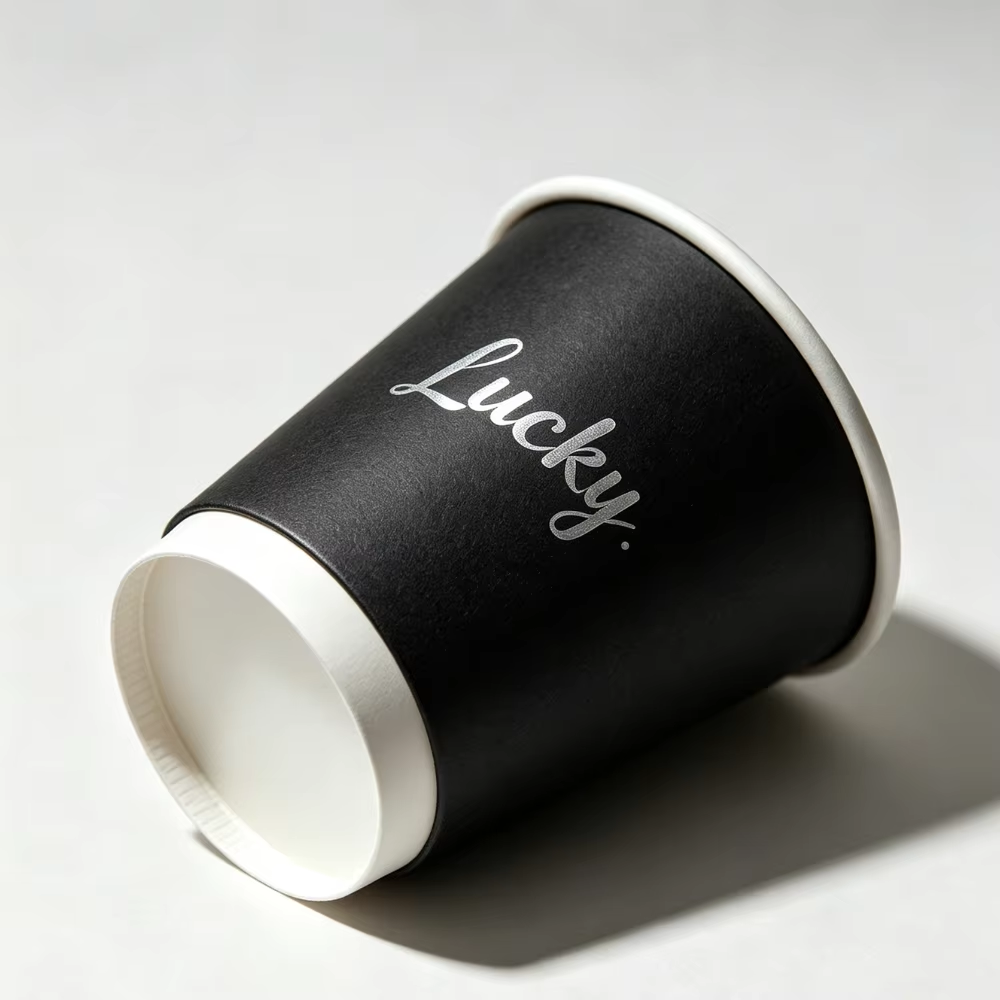
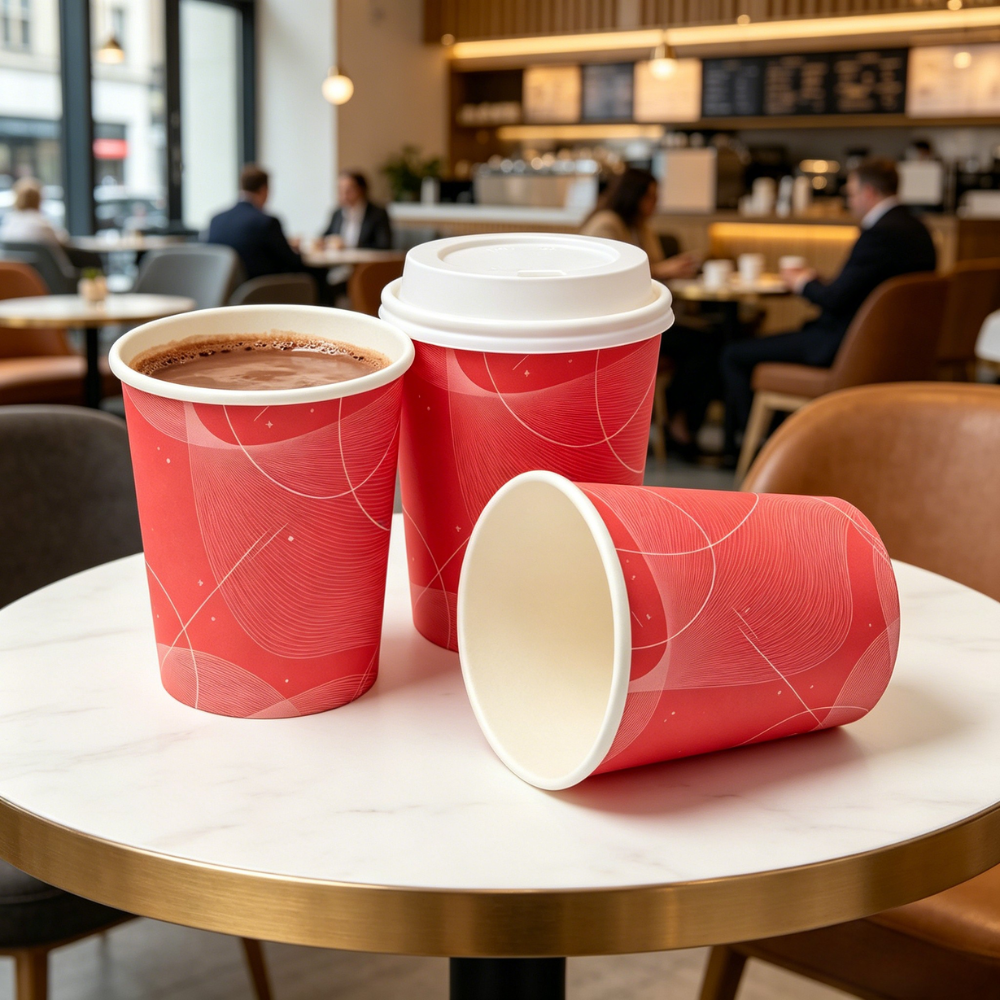
Packaging for frozen desserts presents a unique and aggressive set of physical challenges. When a premium gelato brand or a high-volume dairy farm scales its takeaway and retail operations, the containers must perform flawlessly under drastic temperature fluctuations. From the -18°C blast freezer to the sweltering heat of a summer afternoon, the packaging is the only barrier protecting the product's integrity.
For procurement teams and franchise operators, sourcing the right disposable ice cream cups is the difference between delivering a pristine dessert experience and handing the customer a collapsing, sticky mess.
Unlike hot beverage packaging, frozen dessert containers battle moisture from multiple directions. At the manufacturing level, the engineering behind high-quality disposable ice cream cups focuses heavily on condensation management, structural rigidity, and lid compatibility. Here is an authoritative B2B guide to evaluating and purchasing leak-resistant packaging for the frozen dessert sector.
The most common mistake emerging ice cream brands make is repurposing standard hot soup or coffee bowls for their frozen products. This inevitably leads to packaging failure.
The primary enemy of disposable ice cream cups is external condensation. When a sub-zero dessert is exposed to room temperature air, water droplets rapidly form on the exterior wall of the cup. If the cup only features an interior waterproof lining (which is standard for hot drinks), the raw paperboard on the outside will absorb this condensation. Within minutes, the paperboard softens, loses its structural integrity, and collapses under the pressure of a spoon.
To prevent this, true high-performance disposable ice cream cups require a dual-sided barrier. During the manufacturing process, premium factories utilize double-sided polyethylene coated paper (PE) to construct the cup. By applying a microscopic waterproof barrier to both the inside and the outside of the paperboard, the cup completely repels moisture, ensuring the container remains rigid and dry to the touch, even as the ice cream begins to melt.
Corporate environmental, social, and governance (ESG) standards are rapidly reshaping B2B procurement. As regulatory bans on single-use plastics and EPS (Styrofoam) sweep across global markets, franchise buyers are urgently transitioning to paper-based alternatives.
However, traditional double-PE coated disposable ice cream cups pose recycling challenges in certain municipal facilities. This has driven the packaging industry to innovate with biodegradable ice cream cups.
Modern sustainable options replace petroleum-based PE with plant-based PLA (Polylactic Acid) or advanced water-based aqueous coatings. These next-generation disposable ice cream cups offer the exact same dual-sided moisture resistance and blast-freezer compatibility as traditional cups, but they can be processed in commercial composting facilities. For FMCG brands positioning themselves as eco-friendly, investing in fully compostable paper ice cream cups is a powerful marketing asset that justifies a slightly higher unit cost.
Profit margins in the frozen dessert industry rely entirely on strict portion control. Equipping retail staff with the correct sizes of disposable ice cream cups ensures consistent scoops and predictable inventory depletion.
A standardized packaging lineup reduces operational confusion and streamlines the supply chain. Here is how B2B buyers typically structure their container procurement:
| Cup Volume | Best Retail Application | Fill Weight (Approx.) |
| 3 oz - 4 oz | Kids' scoops, promotional sampling, catering. | 85g - 110g |
| 5 oz - 8 oz | Standard single or double scoops. | 140g - 220g |
| 12 oz - 16 oz | Takeaway pints, loaded sundaes, milkshakes. | 340g - 450g |
| 32 oz (Quarts) | Family-size retail takeaway, wholesale packing. | 900g+ |
For example, a high-traffic gelateria should prioritize bulk orders of 4 oz ice cream cups with lids for their most popular single-scoop servings. By precisely matching the cup volume to the scoop size, businesses prevent over-portioning and protect their bottom-line profitability.
When frozen desserts are packaged for retail takeaway or supermarket distribution, the lid is just as critical as the cup. Prolonged storage in commercial freezers exposes ice cream to sublimation, leading to ice crystal formation and freezer burn, which destroys the product's creamy texture.
To combat this, disposable ice cream cups must be paired with tightly fitting, airtight lids.
When evaluating suppliers, procurement managers must ensure the top rim of the disposable ice cream cups is manufactured with a thick, tightly rolled curl. A precision-rolled rim provides the mechanical rigidity necessary for the lid to "snap" into place, creating a leak-proof and airtight seal that protects the dessert during transit and extended freezing.
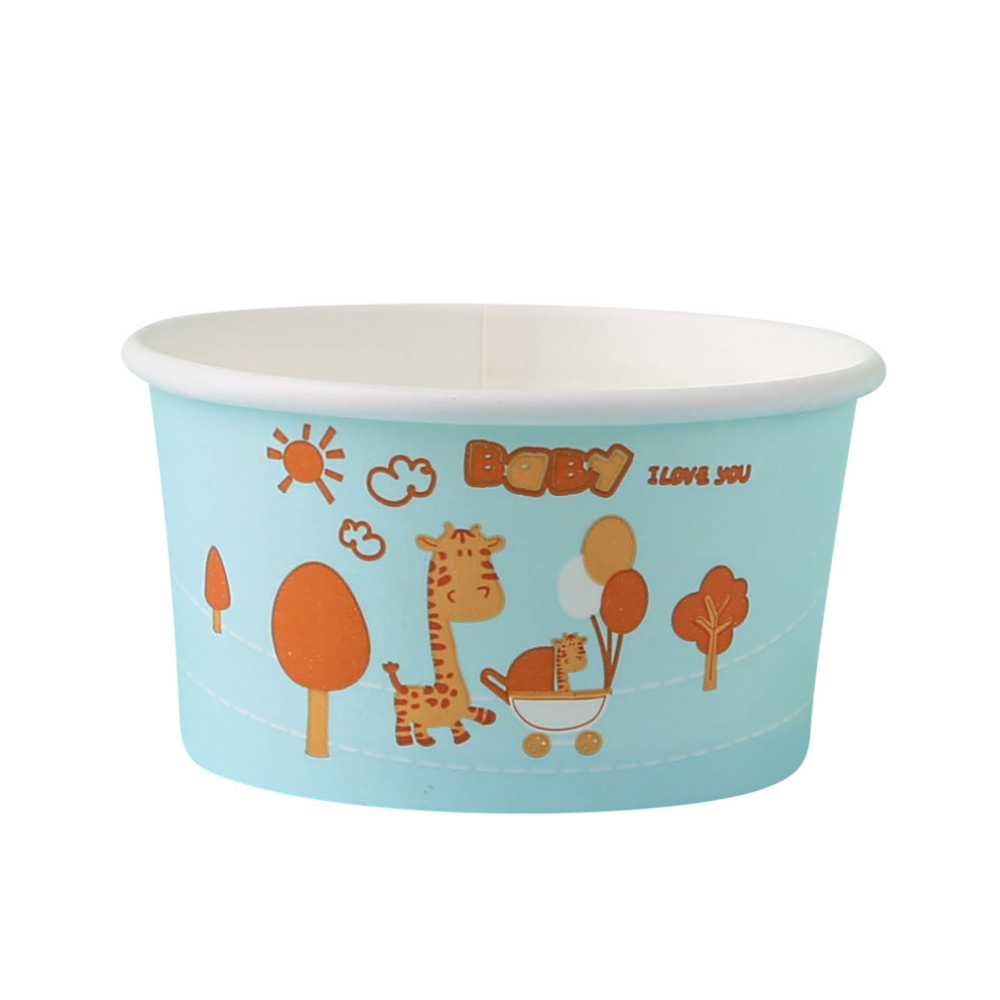
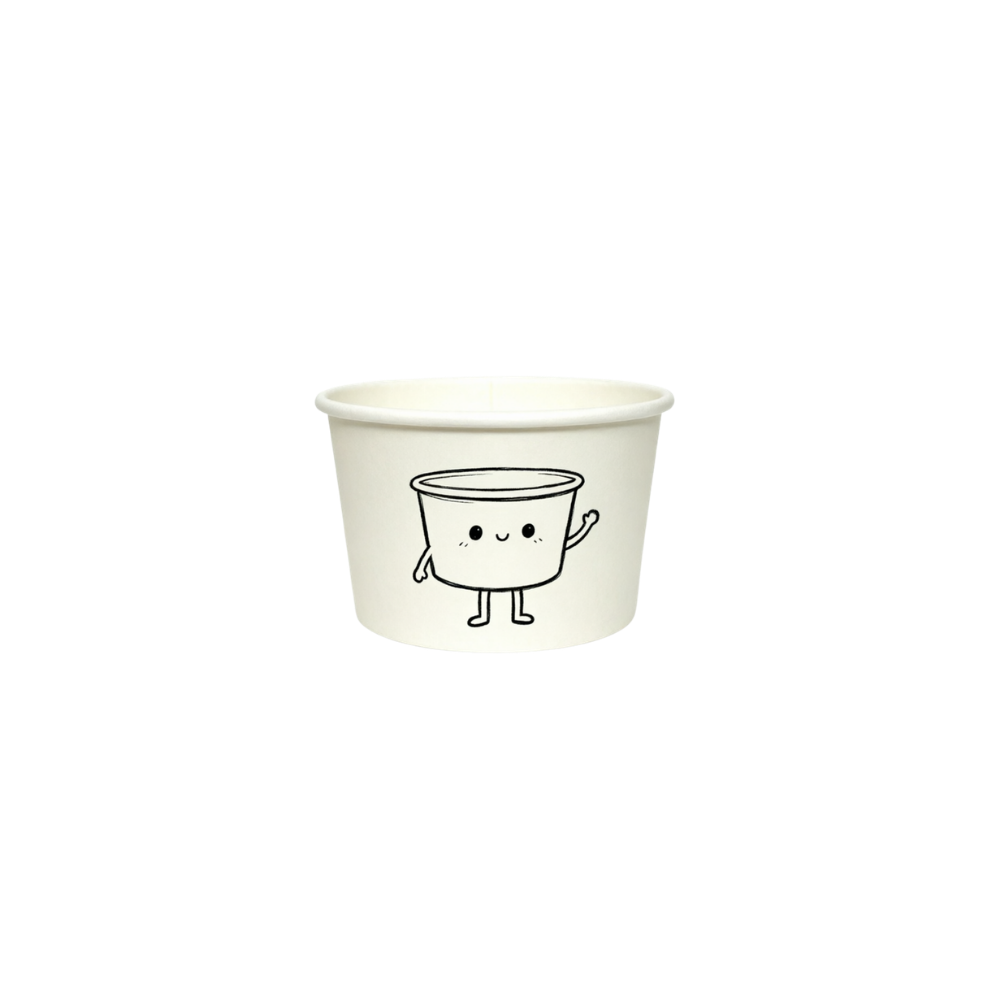
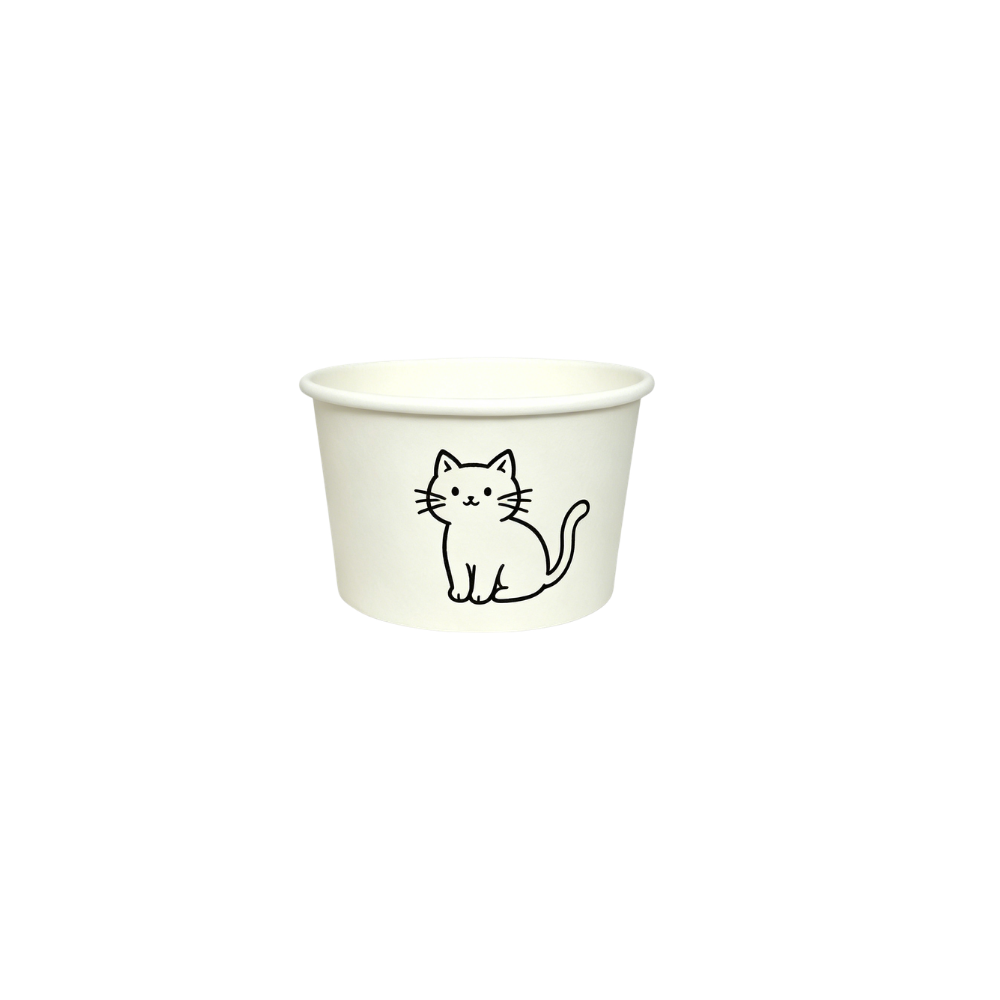
In the retail freezer aisle or on the street, disposable ice cream cups serve as a direct extension of brand identity. Because the double-sided coating process provides a smooth, non-porous exterior surface, these cups are exceptionally well-suited for high-resolution flexographic or offset printing.
Premium suppliers use food-grade, odorless inks that perform flawlessly under freezing conditions without flaking or fading. Vibrant, custom-printed disposable ice cream cups elevate perceived value, allowing boutique brands to command premium pricing in a highly competitive FMCG landscape.
Selecting packaging for frozen environments is a rigorous technical decision. The cheapest option on the market often results in collapsed containers, freezer-burned inventory, and damaged brand reputation.
By demanding dual-sided moisture barriers, precision-rolled rims, and appropriate lid pairings, procurement teams can source disposable ice cream cups that genuinely protect the product. Partnering with an experienced packaging manufacturer guarantees that whether the dessert is consumed immediately in the summer heat or stored for months in a supermarket freezer, the structural integrity of the cup—and the quality of the ice cream—remains uncompromised.
Our technical team can clarify how these insights apply to your specific product line and market requirements. Reach out to discuss your needs.

 EN