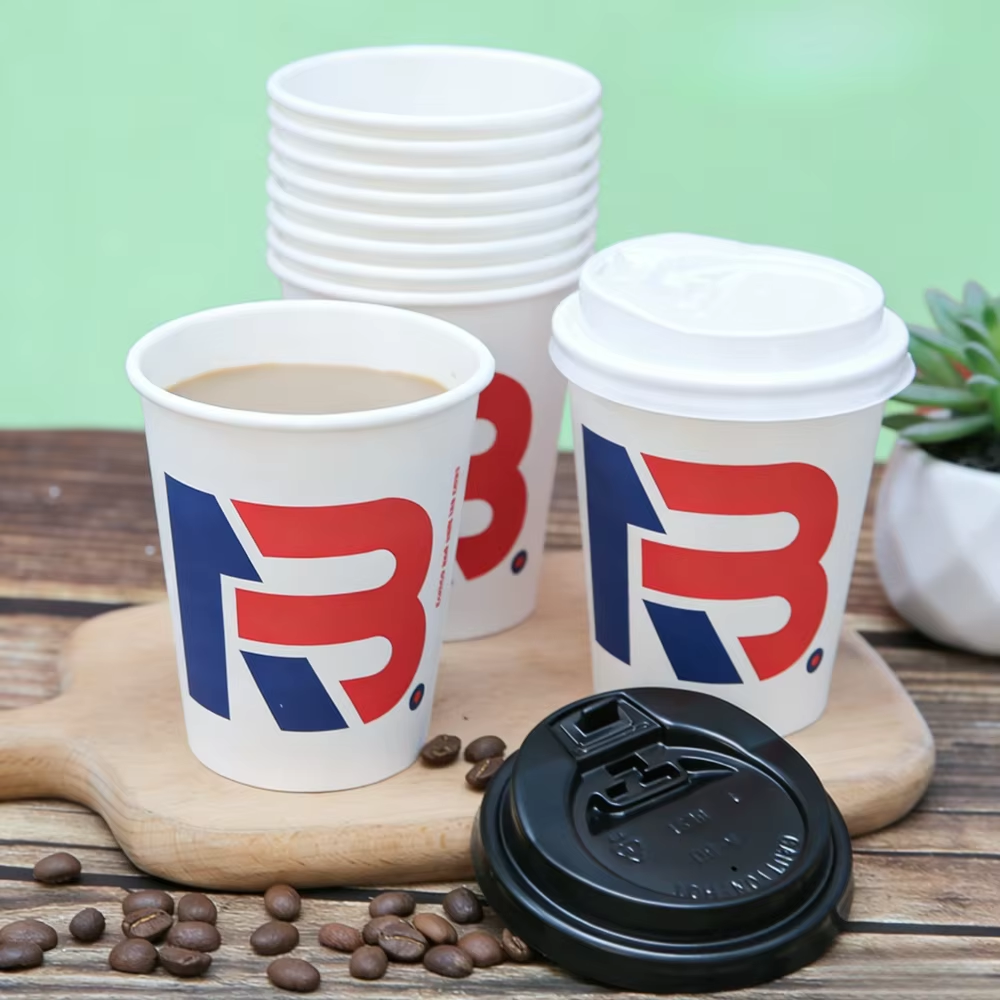
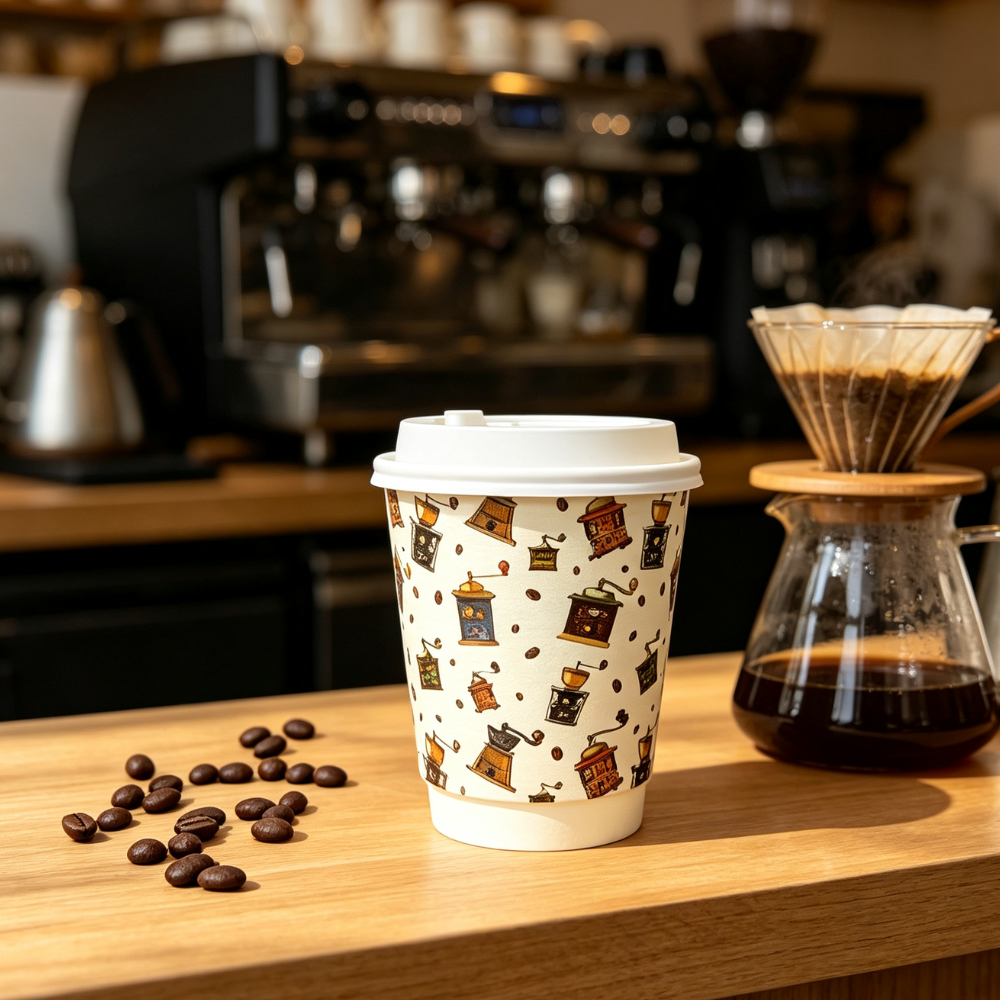
Procuring supplies for a large-scale foodservice operation—whether managing a global hotel chain, a university dining campus, or a corporate catering company—is an exercise in extreme logistics. Procurement teams must balance strict budgets with high-volume demand while ensuring consumer safety. Among the most critical, high-turnover SKUs on any catering manifest are disposable hot cups.
However, treating these containers as a generic, lowest-bidder commodity is a frequent operational misstep. When serving hundreds of guests in a fast-paced institutional setting, a failing cup leads to severe burns, ruined clothing, and significant liability.
From a manufacturing and engineering perspective, creating safe, reliable disposable hot cups requires precise material science. For foodservice buyers looking to optimize their purchasing strategy, here is an in-depth guide on the key technical features you must evaluate before signing a bulk purchase order.
One of the most overlooked factors in foodservice procurement is the temperature variance between different beverages. Many buyers source standard disposable hot cups based entirely on their coffee program, forgetting that tea places a much higher thermal strain on the packaging.
Consider the brewing physics: standard drip coffee is typically dispensed at around 160°F to 170°F (71°C–77°C). Black tea, however, requires boiling water, meaning the liquid hits the cup at a blistering 212°F (100°C).
If you purchase low-GSM (grams per square meter) single-wall cups, pouring boiling water for tea will instantly make the exterior too hot to handle. Furthermore, the extreme heat can stress low-quality inner polyethylene (PE) coatings, potentially causing the bottom seam to soften and leak.
When evaluating paper cups for hot drinks for a diverse catering menu, buyers should consider the following thermal guidelines:
| Cup Wall Structure | Safe Handling Temp | Best Foodservice Application | Sleeve Required? |
| Standard Single Wall | Up to 170°F (77°C) | Standard coffee, warm cider, hot chocolate | Yes, for tea/boiling water |
| Heavy-Duty Double Wall | Up to 212°F (100°C) | Boiling teas, extra-hot Americanos | No |
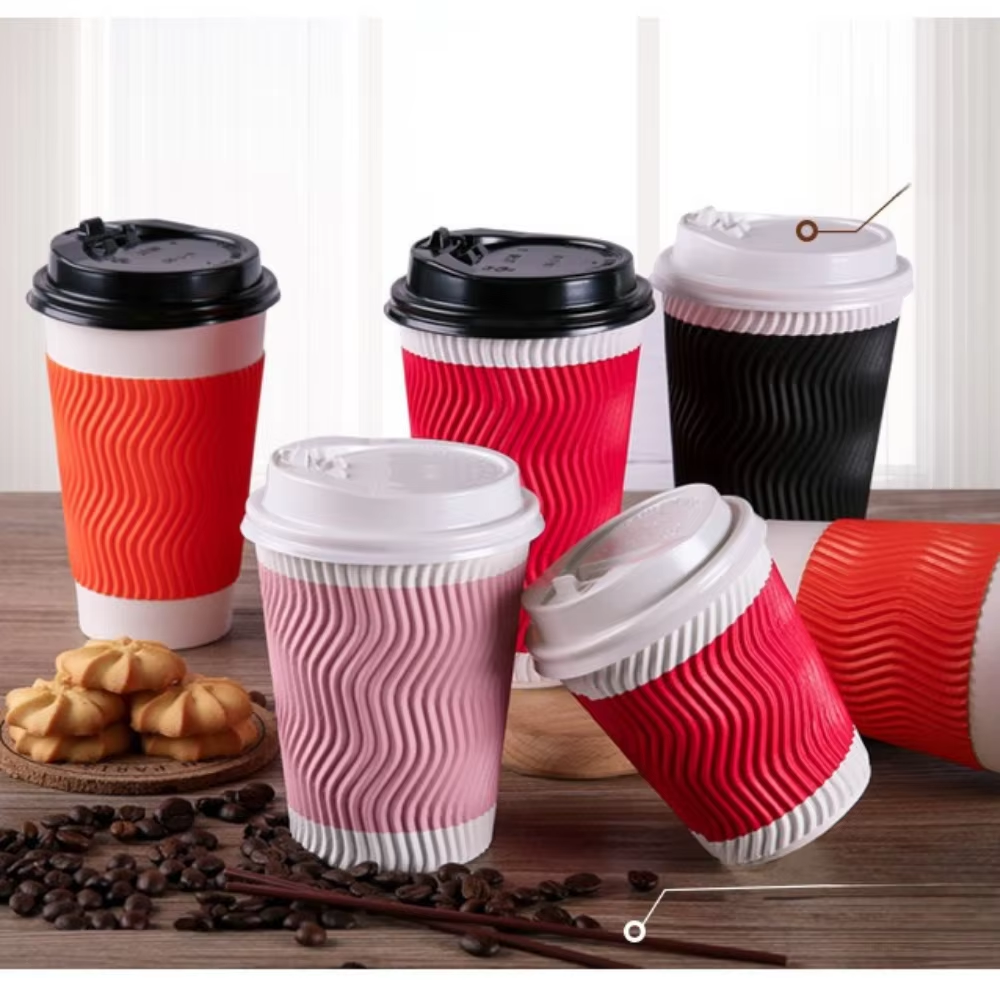
| Corrugated (Ripple) Wall | Up to 212°F (100°C) | Premium catering, specialty hot beverages | No |
If your operation serves a high volume of tea, upgrading your disposable hot cups to a double-wall design eliminates the need for staff to fumble with cardboard sleeves, drastically improving service speed at busy catering stations.
Space is a premium commodity in catering trucks, airline galleys, and hospital cafeterias. Managing dozens of different cup and lid sizes creates logistical chaos and wastes valuable warehouse racking space.
Savvy foodservice buyers use SKU consolidation to streamline their inventory. Instead of ordering 8 oz, 10 oz, 16 oz, and 20 oz sizes, many institutional buyers standardize their inventory around one or two highly versatile sizes, such as standard 8 oz and 12 oz hot cups.
The 12 oz hot cups hit the "sweet spot" for foodservice—they are large enough for a satisfying morning coffee but not so massive that they waste expensive beverages during complimentary breakfast buffets. More importantly, when standardizing sizes, you must ensure that your disposable hot cups share a universal rim diameter (typically 90mm). This allows your staff to use a single lid size across your entire inventory, reducing ordering errors and eliminating clutter at the beverage station.
Furthermore, high-quality disposable hot cups are engineered with a specific taper angle. This exact geometric design ensures that a stack of 50 cups nests perfectly into a compact sleeve without the cups sticking together. When staff members pull a cup from the dispenser during a rush, it must release instantly. Sticking cups slow down service and lead to wasted, crushed inventory.
In corporate cafeterias or hotel lobbies, consumers rarely sit still. They grab a beverage and immediately walk to a meeting room, an elevator, or their car. In these environments, secure disposable coffee cups with lids are an absolute necessity to prevent spills and slip-and-fall hazards.
The secret to a secure, leak-proof seal does not actually lie in the plastic lid; it relies entirely on the paper rim of the cup.
During the manufacturing of premium disposable hot cups, the top edge of the paperboard is tightly rolled into a rigid cylinder. If a factory uses thin paper or poorly calibrated machinery, this rolled rim will be soft and pliable. When a consumer grasps the cup, the rim flexes inward, breaking the seal and causing the lid to pop off.
When vetting new disposable paper cups suppliers, procurement buyers should physically test the rim rigidity. Press a lid onto the cup; you should feel and hear a distinct, sharp "snap." Once attached, gently squeeze the middle of the cup. Reliable disposable coffee cups with lids will maintain their circular geometry and hold the seal firmly, ensuring the beverage remains safely contained while the consumer is on the move.
For enterprise-level foodservice operators, running out of paper cups for hot drinks is a catastrophic failure that halts beverage sales entirely. Therefore, choosing a manufacturing partner goes beyond unit pricing; it requires assessing supply chain resilience.
The most reliable disposable paper cups suppliers are vertically integrated. They source their own raw paperboard, manufacture their own coatings, and possess massive warehousing capabilities. Before awarding a contract for millions of disposable hot cups, buyers should ask potential suppliers about their quality assurance (QA) protocols, their lead times during peak holiday seasons, and their ability to pivot to eco-friendly, compostable coatings as regional sustainability laws evolve.
Purchasing disposable hot cups for large-scale operations is a strategic decision that impacts everything from consumer safety to warehouse efficiency.
By analyzing the thermal requirements of your specific menu, consolidating your cup sizes to versatile options like 12 oz hot cups, and demanding strict rim tolerances for your disposable coffee cups with lids, you protect your organization from operational bottlenecks and liability. Ultimately, treating your paper cups for hot drinks as an engineered foodservice tool rather than a cheap disposable commodity ensures a seamless, safe, and premium beverage experience for every guest you serve.
Our technical team can clarify how these insights apply to your specific product line and market requirements. Reach out to discuss your needs.

 EN