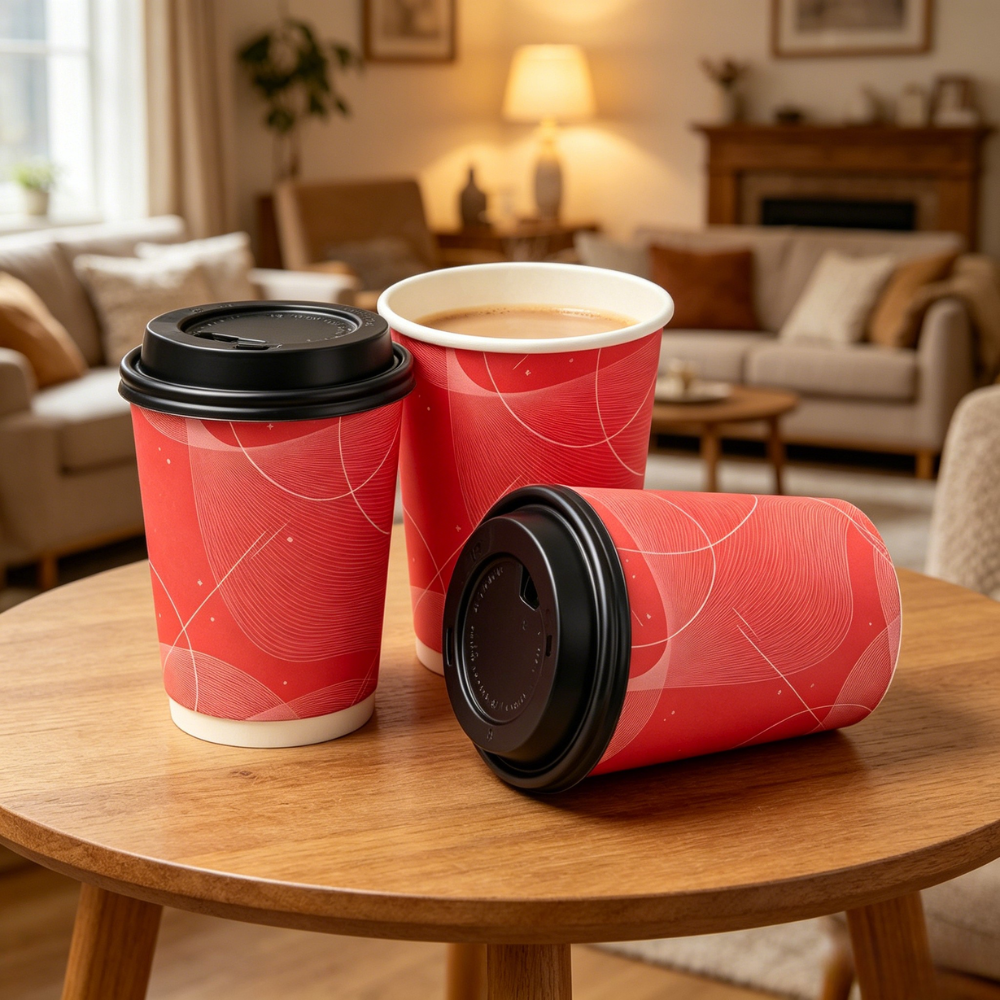
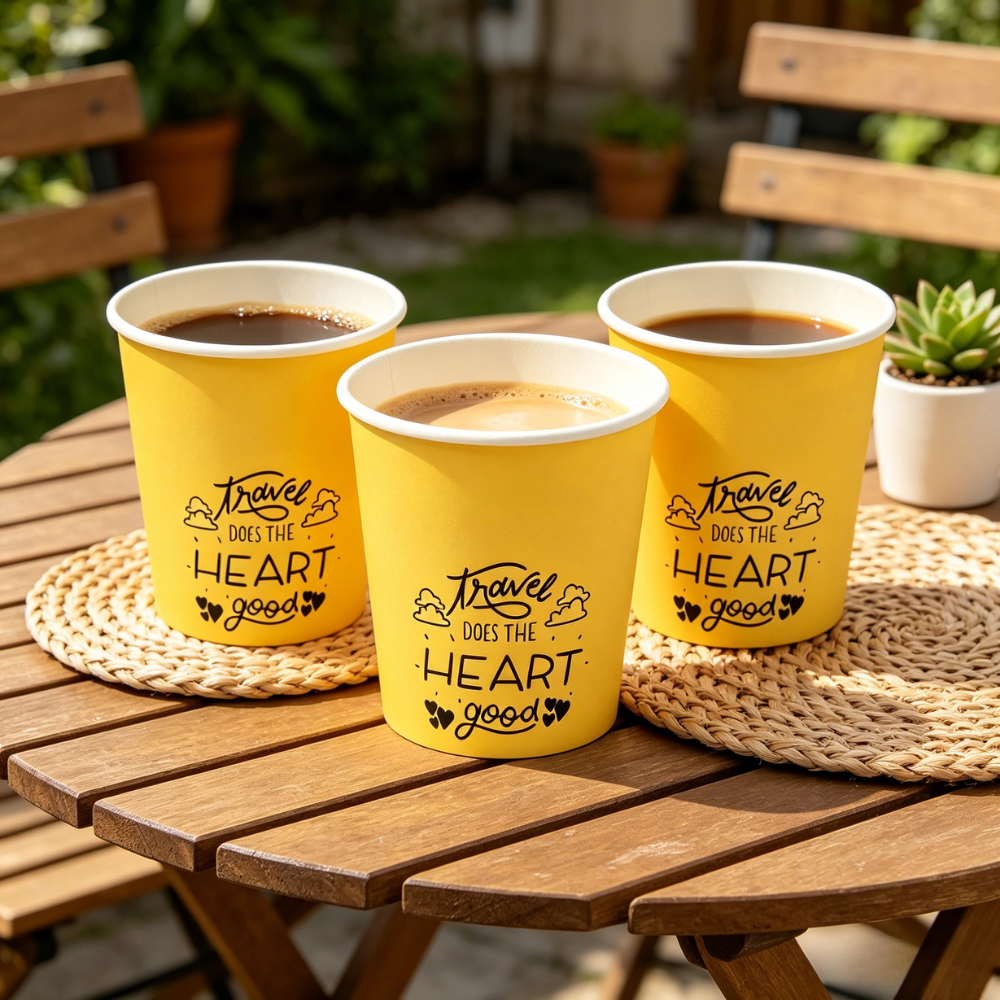
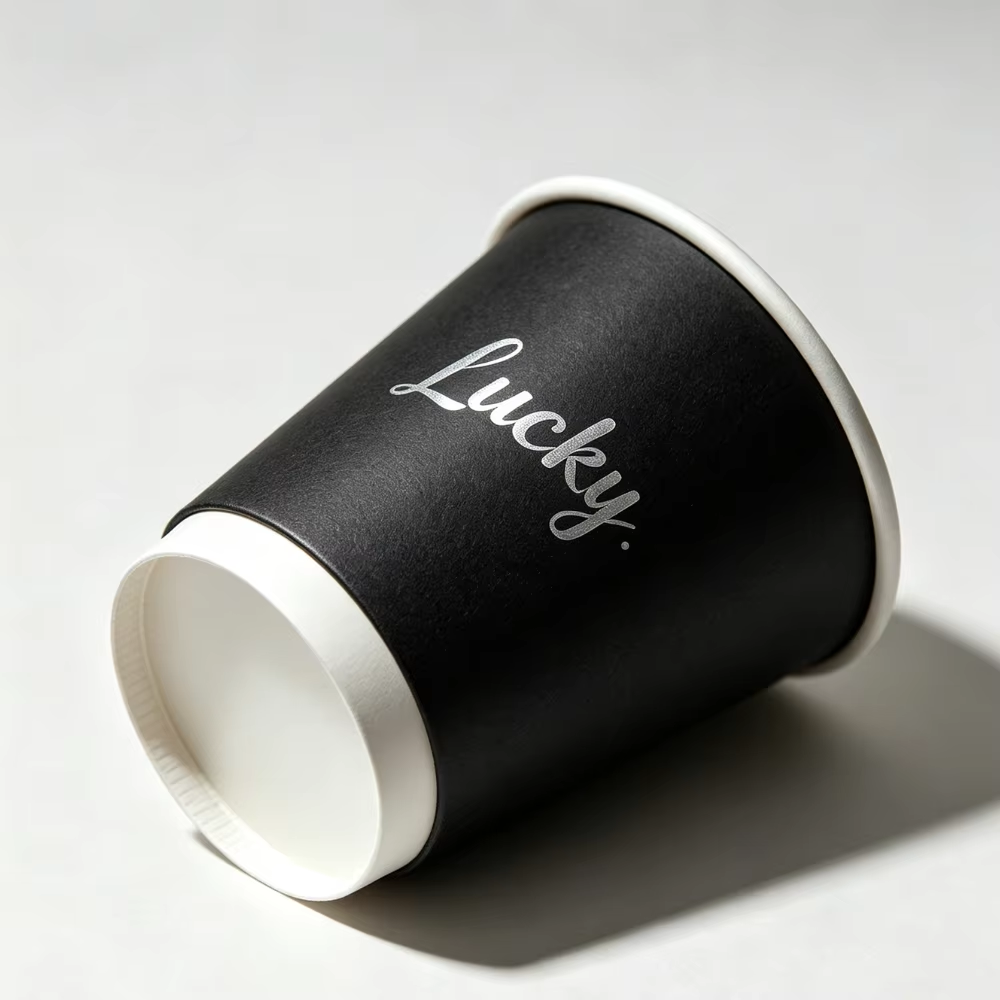
In high-volume cafes and roasteries, operational bottlenecks often occur not at the espresso machine, but at the hand-off counter. During a bustling morning rush, an efficient workflow is the lifeblood of a takeaway beverage business. Yet, many franchise operators and procurement managers overlook a crucial element that directly impacts this speed of service: the packaging.
Sourcing the right hot coffee paper cups goes far beyond finding a vessel to hold hot liquid. Packaging is a strategic operational tool. It dictates barista efficiency, influences inventory management, and secures the physical safety of the beverage during transit.
From the perspective of experienced coffee paper cup manufacturers, the structural engineering behind takeaway packaging is designed to solve real-world cafe bottlenecks. For B2B buyers, understanding how high-quality hot coffee paper cups improve service dynamics is essential for maximizing daily revenue and customer satisfaction.
In a commercial coffee setting, every single second counts. When a cafe relies on basic, single-wall hot coffee paper cups, staff members are forced to manually slide a corrugated cardboard sleeve onto every single drink served above 150°F (65°C).
In the packaging industry, this is often referred to as the "sleeve penalty." Adding a sleeve to hot coffee paper cups takes an average barista approximately two to three seconds. Over the course of a day, these seconds compound into hours of lost labor.
| Daily Customers | Average Time Spent Sleeving Cups | Wasted Labor Hours (Monthly) |
| 250 | 12.5 Minutes / Day | ~6.2 Hours |
| 500 | 25 Minutes / Day | ~12.5 Hours |
| 1,000 | 50 Minutes / Day | ~25 Hours |
By upgrading to double-wall or corrugated coffee cups (ripple wall), cafe operators can completely eliminate this manual step. The built-in insulation protects the consumer's hands without requiring extra accessories. These premium hot coffee paper cups streamline the queue, allowing staff to focus entirely on pulling perfect espresso shots and interacting with customers. Consequently, hourly throughput increases and drive-thru wait times drop significantly.
A disorganized barista station is a recipe for errors. Stacking multiple lid sizes to accommodate varying sizes of hot coffee paper cups inevitably leads to chaos during peak operating hours. Baristas may grab the wrong lid, attempt to force it onto the rim, and accidentally crush the cup, leading to wasted inventory and frustrating delays.
Operational efficiency demands SKU (Stock Keeping Unit) consolidation. When procurement teams order takeaway coffee cups wholesale, the most effective strategy is to unify the rim diameters across multiple cup volumes.
For example, a well-engineered 8 oz cup, a 10 oz disposable coffee cups model, and a standard 16 oz cup can all be manufactured sharing a universal 90mm top rim. This structural standard means the cafe only needs to purchase and stock one single type of lid for the entire hot beverage menu. Standardizing the top diameter of hot coffee paper cups makes grabbing lids intuitive and requires zero guesswork from the staff. Furthermore, high-quality hot coffee paper cups feature precision-tapered bases, ensuring they nest perfectly in stacks and pull apart instantly without sticking together.
Takeaway coffee is inherently mobile. When a customer receives a beverage from a drive-thru window, that drink immediately enters a dynamic environment—placed into a vehicle cup holder, carried onto a crowded train, or set in a bicycle basket.
To survive this journey, takeaway hot coffee paper cups require exceptional structural rigidity. Budget-grade cups often utilize low-GSM (Grams per Square Meter) paperboard. When a commuter grips a thin cup firmly, the walls flex inward. This flexing alters the geometry of the top rim, causing the lid to pop off and resulting in a hazardous spill.
Premium hot coffee paper cups are engineered to prevent this. The manufacturing process focuses heavily on the "base roll" (the bottom seal) and the tightly curled top rim. A rigid, tightly wound rim ensures that the geometry of the cup remains perfectly circular, even under the pressure of a firm grip. When commuters trust that their hot coffee paper cups will not leak or collapse during their morning travel, it builds profound, subconscious loyalty to the cafe's brand.
Roasters invest immense resources into sourcing specialty green beans, refining precise roast profiles, and training baristas on exact extraction ratios. However, all of that scientific precision is compromised if the coffee cools down too rapidly once it crosses the counter.
Temperature is inextricably linked to how the human palate perceives acidity, sweetness, and body in coffee. If a delicate, single-origin pour-over loses its heat prematurely due to poor packaging insulation, the flavor profile flattens out, often tasting unpleasantly sour or hollow. Therefore, the thermal retention properties of hot coffee paper cups are vital to the final product's quality.
Double-wall and ripple-wall hot coffee paper cups act as specialized thermal barriers. By trapping a microscopic layer of air between the inner chamber and the outer wall, these cups lock the heat inside the beverage rather than allowing it to dissipate into the surrounding environment. This ensures the coffee remains within the optimal drinking window (around 140°F to 155°F) for significantly longer, preserving the roaster's intended flavor notes from the first sip to the last.
Takeaway packaging should never be viewed merely as an unavoidable overhead expense. For modern cafes, bakeries, and roasteries, packaging is a critical extension of the service workflow.
Fast-moving, highly insulated hot coffee paper cups result in happier baristas, cleaner workspaces, and safer commutes for the end consumer. By eliminating the reliance on cardboard sleeves, standardizing lid inventories, and prioritizing structural rigidity, procurement teams can directly enhance the operational efficiency of their stores. When sourcing hot coffee paper cups, looking beyond the initial unit price to evaluate the ergonomic and thermal benefits is the true key to elevating takeaway service.
Our technical team can clarify how these insights apply to your specific product line and market requirements. Reach out to discuss your needs.

 EN