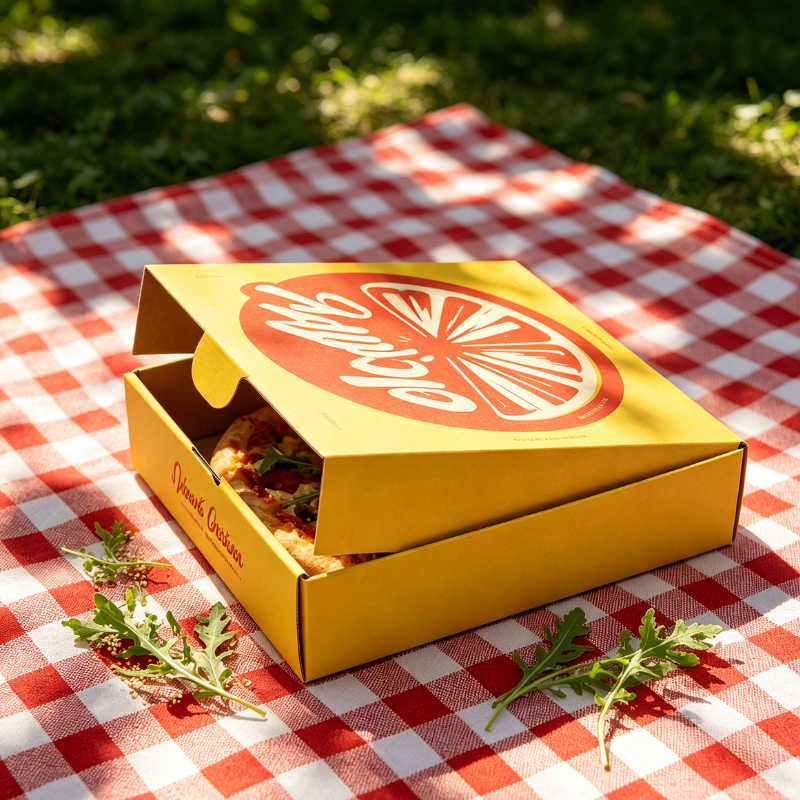
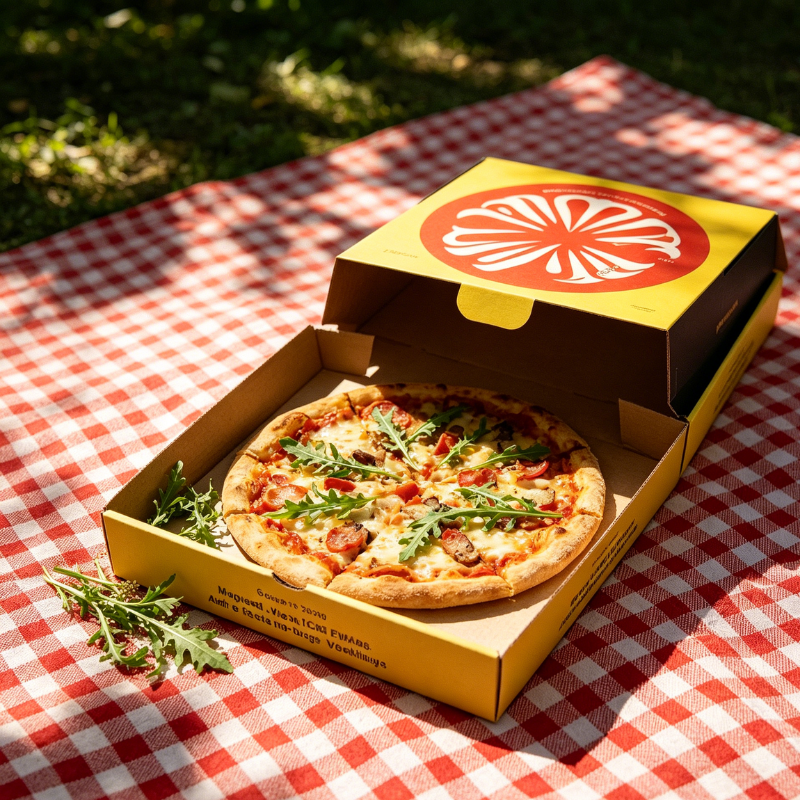
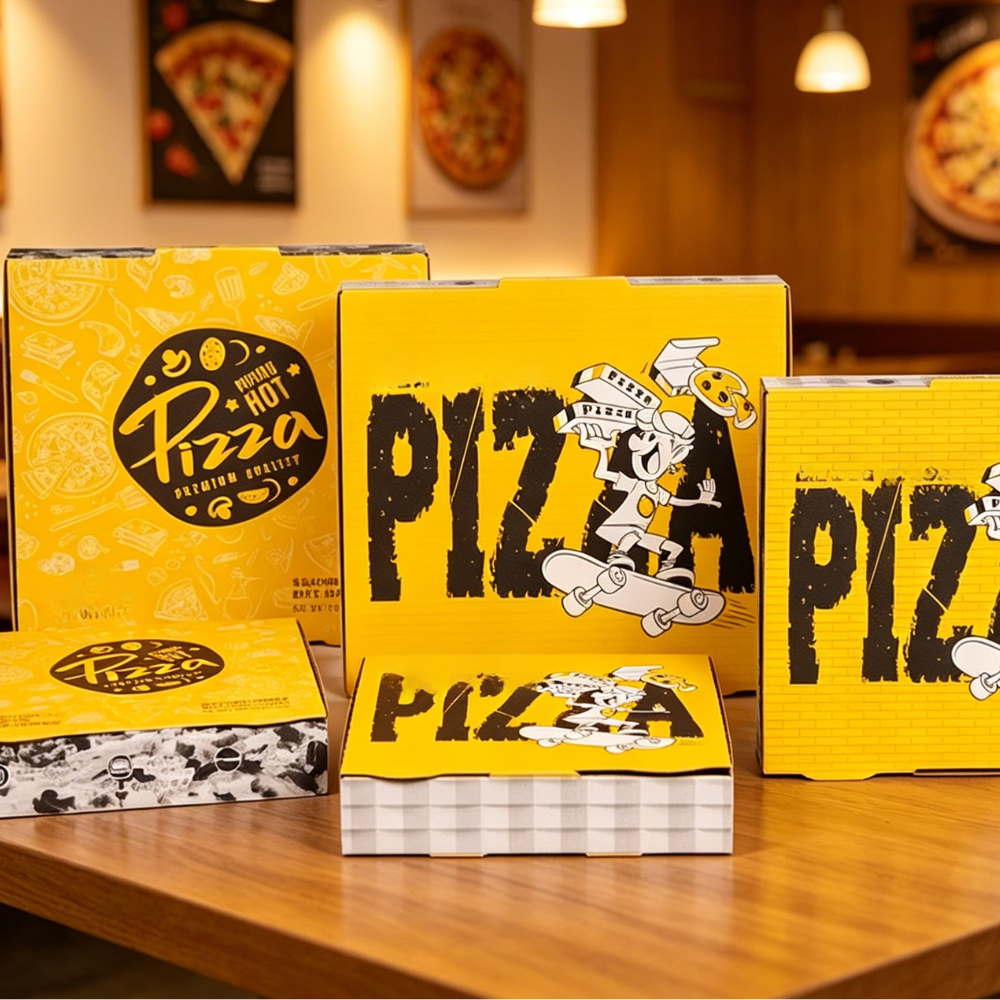
For decades, the foodservice industry has operated on a universally accepted standard: pizzas are round, but they are delivered in square boxes. This geometric contradiction has long been ignored simply because square boxes are easy to manufacture and fold. However, as the food delivery market becomes increasingly competitive, progressive restaurant brands and ghost kitchens are rethinking every aspect of their packaging.
Enter the round pizza box. What was once considered a niche or experimental packaging concept is now gaining serious traction among premium pizzerias and eco-conscious food brands.
But from a B2B procurement perspective, is making the switch actually worth it? As an integrated global manufacturer supplying millions of units of food-grade packaging annually, we understand that changing your primary pizza delivery box is a major operational decision. To help enterprise buyers and packaging distributors make an informed choice, here is an objective comparison between the traditional square container and the modern round pizza box, evaluating structural performance, kitchen operations, and brand impact.
The most critical function of any pizza delivery box is protecting the culinary integrity of the food during transit.
In a traditional square box, the pie rests in the center, leaving four empty corners. From a thermodynamics standpoint, this empty air space is problematic. It allows the heat radiating from the pizza to dissipate quickly. Furthermore, as the hot pizza releases steam, that moisture circulates into the empty corners and condensates on the lid, eventually dripping back down and causing a soggy crust.
A round pizza box fundamentally changes this dynamic. By contouring directly to the shape of the pie, it significantly reduces the internal volume of empty air. This snug fit traps the ambient heat closer to the food, keeping the pizza hotter for longer.
| Feature | Traditional Square Box | The Round Pizza Box |
| Internal Air Space | High (4 empty corners) | Minimal (Snug fit) |
| Heat Retention | Moderate | Excellent |
| Moisture Control | Prone to steam condensation | Better controlled via targeted venting |
| Movement in Transit | Pizza can slide into corners | Pizza remains locked in the center |
Additionally, because the pizza cannot slide back and forth into empty corners during a bumpy car ride, a round pizza box ensures the toppings remain perfectly intact when the customer finally opens the lid.
Today’s consumers are highly motivated by environmental responsibility, and procurement teams are under pressure to source more sustainable packaging.
Traditional corrugated pizza boxes require a rectangular sheet of paperboard to be die-cut and folded. While modern manufacturing is highly efficient, the square design inherently uses more raw material than is strictly necessary to house a circular product.
In contrast, circle pizza boxes can be engineered to utilize less overall material. By eliminating the excess corners, manufacturers can reduce the total weight of the packaging. When scaled across millions of orders, this reduction in raw paperboard can significantly lower a brand's carbon footprint.
It is important to note that circle pizza boxes can be manufactured in two primary ways: through advanced die-cutting of traditional corrugated board (often utilizing an interlocking clamshell design) or through molded pulp fiber (similar to a heavy-duty egg carton). Regardless of the specific material profile, shifting to a circular format signals to your customers that your brand is actively investing in innovative, waste-reducing sustainability.
Before you commit to a round pizza box, you must consider how it will impact the back-of-house operations in a busy kitchen.
Square corrugated pizza boxes have remained the industry standard primarily because they are incredibly easy to flat-pack, store, and fold. A trained kitchen employee can fold a standard square box in under three seconds.
Historically, early iterations of the round pizza box were slower to assemble. However, modern packaging engineering has solved this issue. Today’s premium circular designs often utilize a single-piece clamshell structure or a pre-formed nested design.
For B2B buyers, the key is evaluating your operational bottleneck. If you operate a high-volume fast-food chain where every second counts, you must rigorously test the assembly time of any new packaging. If you run a premium artisan pizzeria where quality presentation outweighs extreme speed, the slight learning curve of folding a round pizza box is easily justified by the superior customer experience.
In the digital age, the unboxing experience is heavily documented. Customers frequently take photos of their food and post them on social media. If you are using plain, unbranded packaging, you are missing out on free marketing.
Because it is visually disruptive, a round pizza box inherently grabs attention. It breaks the visual monotony of standard takeout. When you combine this unique shape with custom printed pizza boxes, the marketing impact is exponential.
High-definition flexographic printing allows brands to apply vibrant logos, localized artwork, or scannable QR codes directly onto the lid. Imagine a customer receiving a perfectly circular box with a sleek, minimalist design that mirrors a vinyl record or an artisan plate. The unique canvas of custom printed pizza boxes in a round format immediately elevates the perceived value of the meal, allowing operators to command a premium price point for their pies.
Transitioning to a new packaging format requires a reliable supply chain. Because circle pizza boxes require specialized tooling and advanced die-cutting precision, you cannot rely on low-tier, fragmented suppliers. If the die-cutting is even slightly misaligned on a circular design, the locking tabs will fail, and the box will pop open during delivery.
When evaluating a manufacturer for your next-generation pizza delivery box, look for an integrated partner who controls the process from end to end.
So, which is better? The traditional square box remains the undisputed champion of extreme high-volume, cost-conscious operations due to its simple folding mechanics. However, if your brand is focused on premium food quality, superior heat retention, eco-friendly messaging, and a highly memorable unboxing experience, the round pizza box is a strategic investment that will set you apart in a crowded market. By partnering with an experienced, integrated packaging supplier, you can execute this transition seamlessly, ensuring every pizza you serve arrives exactly as the chef intended.
Our technical team can clarify how these insights apply to your specific product line and market requirements. Reach out to discuss your needs.

 EN