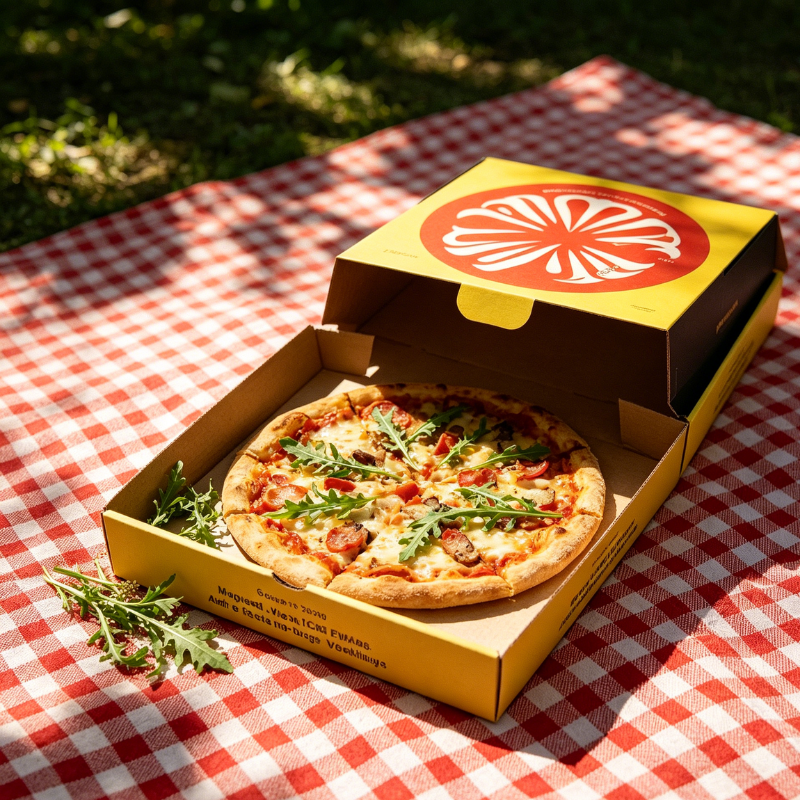
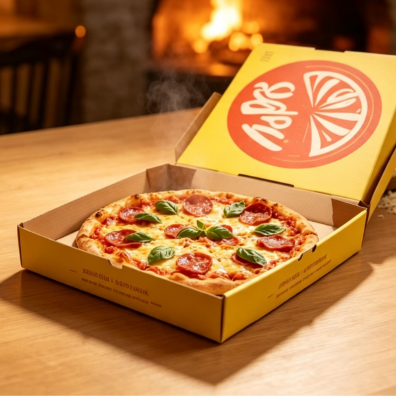
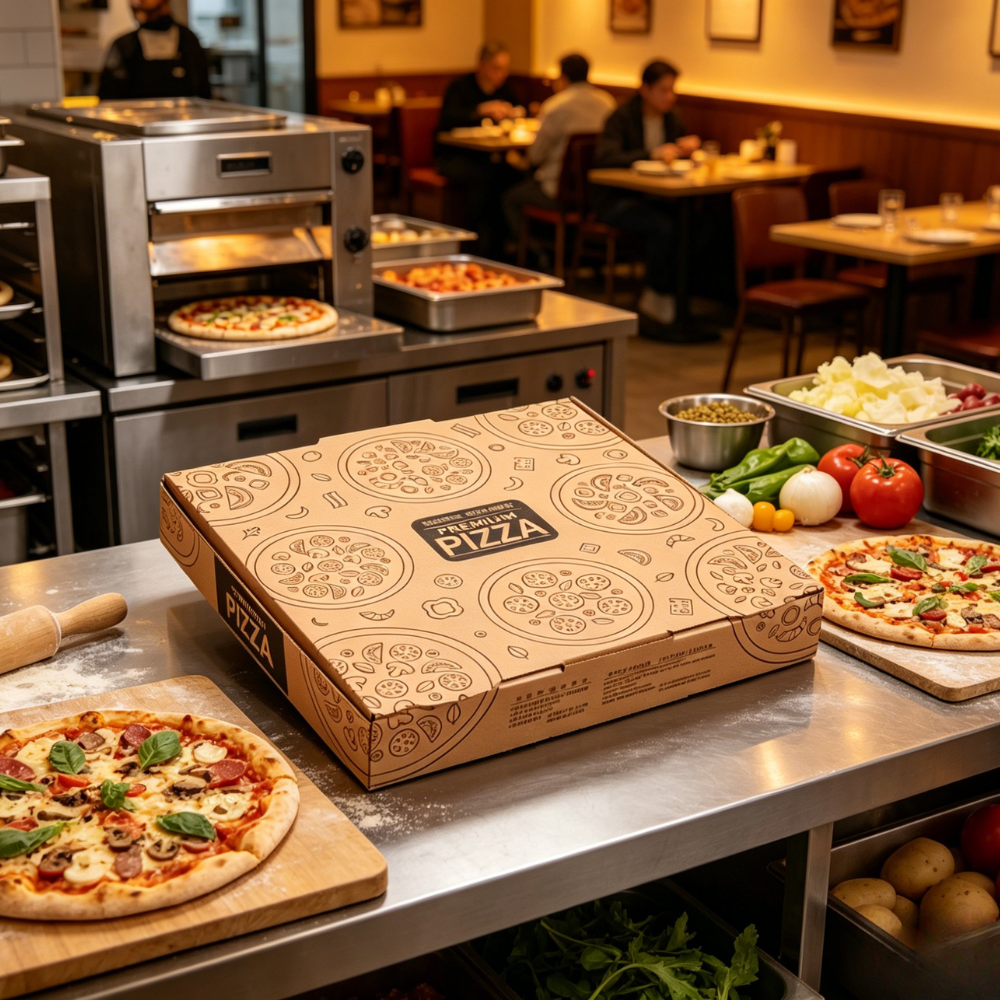
The way consumers interact with food has fundamentally changed. While sitting down for a whole family-sized pizza will always be a weekend staple, the daily reality for millions of people is eating on the move. Whether it’s an office worker grabbing a quick lunch, a commuter stopping at a convenience store, or a fan rushing to grab a bite during a stadium halftime show, the demand for premium, portioned grab-and-go food is at an all-time high.
To capture this lucrative market, foodservice operators must rethink how they package individual portions. Wrapping a premium slice in foil or tossing it onto a flimsy paper plate completely undermines the quality of the food. This is why the single slice pizza box has evolved from a novelty item into an absolute necessity for modern food operations.
As a global packaging manufacturer with decades of experience producing food-grade materials, we see firsthand how different sectors utilize portioned packaging. Sourcing the correct single slice pizza box requires understanding the distinct operational needs of pizzerias, event caterers, and convenience retailers. Here is an inside look at how to choose the right packaging for your specific customer base.
For independent pizzerias and food trucks, selling by the slice is a massive margin booster. However, when you charge a premium price for an artisanal, New York-style slice, the customer expects a premium experience.
If a slice is handed over on a paper plate, it immediately feels like a budget snack. The grease soaks into the plate, the cheese sticks to the wrapper, and the heat dissipates within a few short minutes. Upgrading to dedicated pizza slice boxes solves these issues instantly. A rigid container protects the food's structural integrity, allowing the customer to walk down the street or take it back to the office without making a mess.
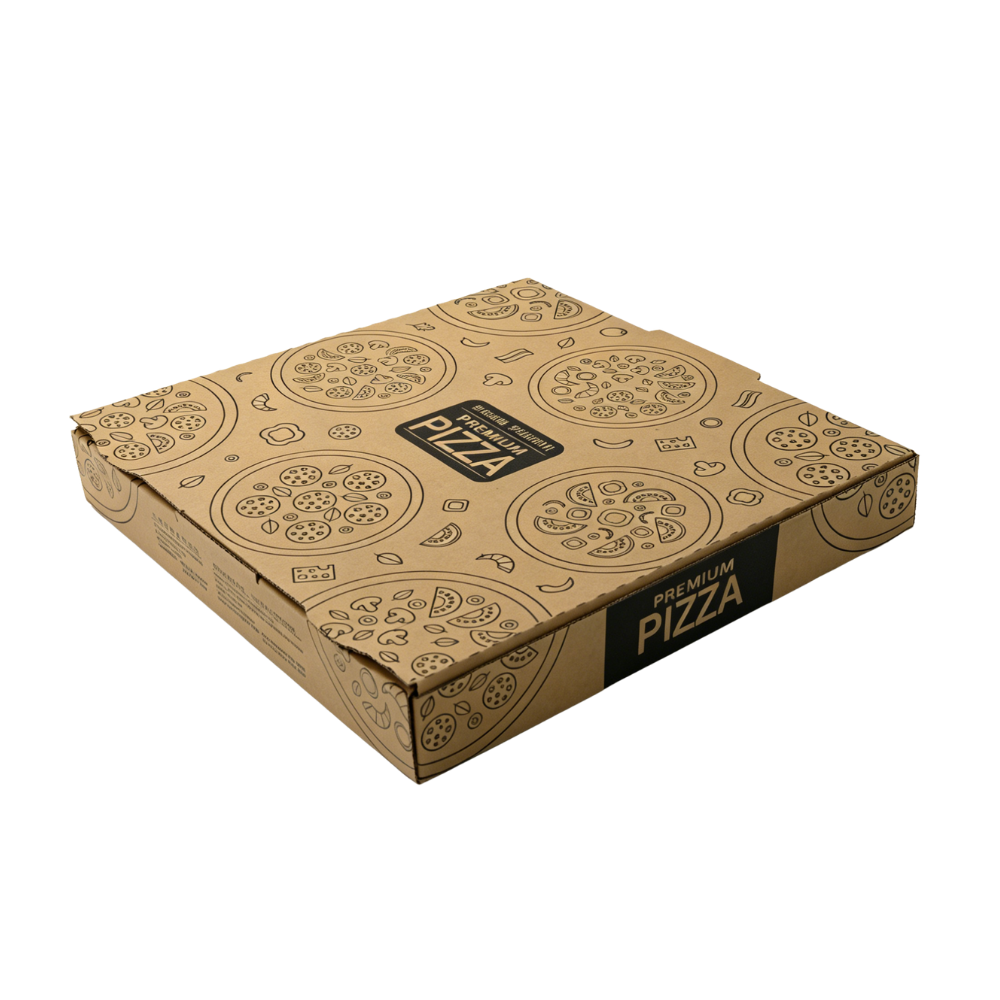
From a structural engineering standpoint, heat management is the biggest hurdle. When sourcing for a pizzeria, buyers should look for a pizza corrugated box made with E-flute cardboard. The fluting creates insulating air pockets that keep the slice hot, while precision-cut ventilation holes at the back prevent trapped steam from turning the crust soggy. This careful balance ensures that the culinary quality of the slice remains intact long after it leaves the counter.
The operational demands of a high-volume event are entirely different from a neighborhood pizzeria. In a sports stadium or a crowded music festival, concession stands experience massive rushes of customers in very short windows of time. Speed of service is everything.
In these environments, the triangle pizza box is the ideal solution. Because of its unique geometric shape, kitchen staff can prep hundreds of slices in advance. The structural rigidity of a quality single slice pizza box allows them to be stacked several tiers high under commercial heat lamps without the bottom boxes collapsing or crushing the food.
Furthermore, the consumer experience in a crowded venue requires specific ergonomics. Event-goers rarely have a table to sit at; they are navigating crowds, holding a drink in one hand, and trying to eat with the other. The wedge shape of a triangle pizza box fits perfectly into the palm of one hand. It acts as a stable tray, providing the ultimate convenience. When an event venue switches to these boxes, they often see a direct increase in concession sales, simply because the food is easier to carry and consume.
Convenience stores and gas station hot-delis are capturing a growing share of the fast-food market. In these settings, grab-and-go items often sit under heated displays for extended periods.
This environment puts intense stress on the packaging. When a slice of pepperoni pizza sits under a heat lamp, the heavy oils concentrate at the bottom of the container. If the packaging lacks a proper chemical barrier, that grease will soak entirely through the board, creating a visually unappealing mess and a terrible customer experience.
Historically, the packaging industry relied on PFAS (per- and polyfluoroalkyl substances) to block grease. Today, these "forever chemicals" are facing strict regulatory bans globally. When sourcing pizza slice boxes for C-stores, procurement teams must ensure compliance with new food safety laws.
| Packaging Option | Heat Lamp Performance | Grease Barrier Type | Regulatory Compliance |
| Generic Paper Clamshell | Poor (Warps quickly) | Wax (Melts under heat) | Varies |
| Low-Grade Corrugated | Moderate | Uncoated / Low resistance | Prone to leaking |
| Engineered Single Slice Pizza Box | Excellent (Retains shape) | PFAS-Free Aqueous Coating | FDA & EU ISEGA Compliant |
To meet these strict demands, reputable manufacturers apply advanced, water-based (aqueous) coatings to the interior of the pizza corrugated box. This provides an impenetrable barrier against heavy oils while remaining entirely PFAS-free and compliant with global health standards.
For enterprise buyers, packaging distributors, and global franchises, the challenge isn't just finding a good triangle pizza box; it is sourcing them consistently, in massive volumes, and at a competitive price. Fragmented supply chains often lead to inconsistencies—one batch of boxes folds perfectly, while the next batch suffers from printing errors or weak cardboard.
This is where working with a fully integrated manufacturer becomes a strategic asset. Operating under a comprehensive "Forest-to-Packaging" model—like the system utilized by the APP Group—ensures total quality control.
Whether you are running a boutique pizzeria, managing stadium concessions, or stocking a national chain of convenience stores, the single slice pizza box is a high-return investment. By understanding the structural, chemical, and logistical factors behind this specialized packaging, procurement teams can select a pizza corrugated box that protects the food, elevates the brand, and perfectly serves the modern, on-the-go consumer.
Our technical team can clarify how these insights apply to your specific product line and market requirements. Reach out to discuss your needs.

 EN