Navigating the procurement of commercial beverage packaging is far more complex than simply finding the lowest price per carton. For franchise operators, institutional caterers, and independent cafe networks, sourcing takeaway coffee cups wholesale requires balancing thermal engineering, supply chain logistics, and brand presentation. A misstep in any of these areas can lead to bloated inventories, customer complaints regarding burned hands, or a diluted brand image.
As industry veterans in the packaging sector, we understand that B2B buyers need a cohesive strategy when building out their inventory. To streamline your next purchasing cycle, here is an authoritative breakdown of sizes, wall construction, lid compatibility, and custom branding when ordering your packaging.
The first step in securing takeaway coffee cups wholesale is defining your menu's volumetric requirements. While it is tempting to offer every size imaginable, operational efficiency thrives on a curated lineup.
The 90mm Standard: The most effective strategy for procurement teams when buying bulk coffee cups with lids is standardizing the top rim diameter. By ensuring your 12oz, 16oz, and 20oz cups all feature a universal 90mm rim, you can service three distinct beverage sizes using only one lid SKU. A recent case study of a regional 15-location coffee chain showed that adopting a universal 90mm lid strategy reduced their back-of-house packaging footprint by 30% and virtually eliminated barista errors during morning rushes.
Once the sizes are established, buyers must select the structural build of the cup. The wall type dictates heat retention, material cost, and whether you will need to purchase secondary cardboard sleeves.
When vetting different paper cup suppliers, you will generally choose between three structural profiles:
| Cup Wall Type | Construction & Thermal Profile | Best Foodservice Application | Need for Cardboard Sleeve? |
| Single Wall | One layer of premium SBS board (typically 300-320 GSM). Highly cost-effective but minimal insulation. | Americanos, drip coffee, iced lattes. | Yes, mandatory for drinks over 160°F (71°C). |
| Double Wall | Two layers of paperboard separated by a microscopic air gap. The trapped air acts as a powerful thermal insulator. | Premium winter beverages, hot teas, luxury cafe menus. | No sleeve required. |
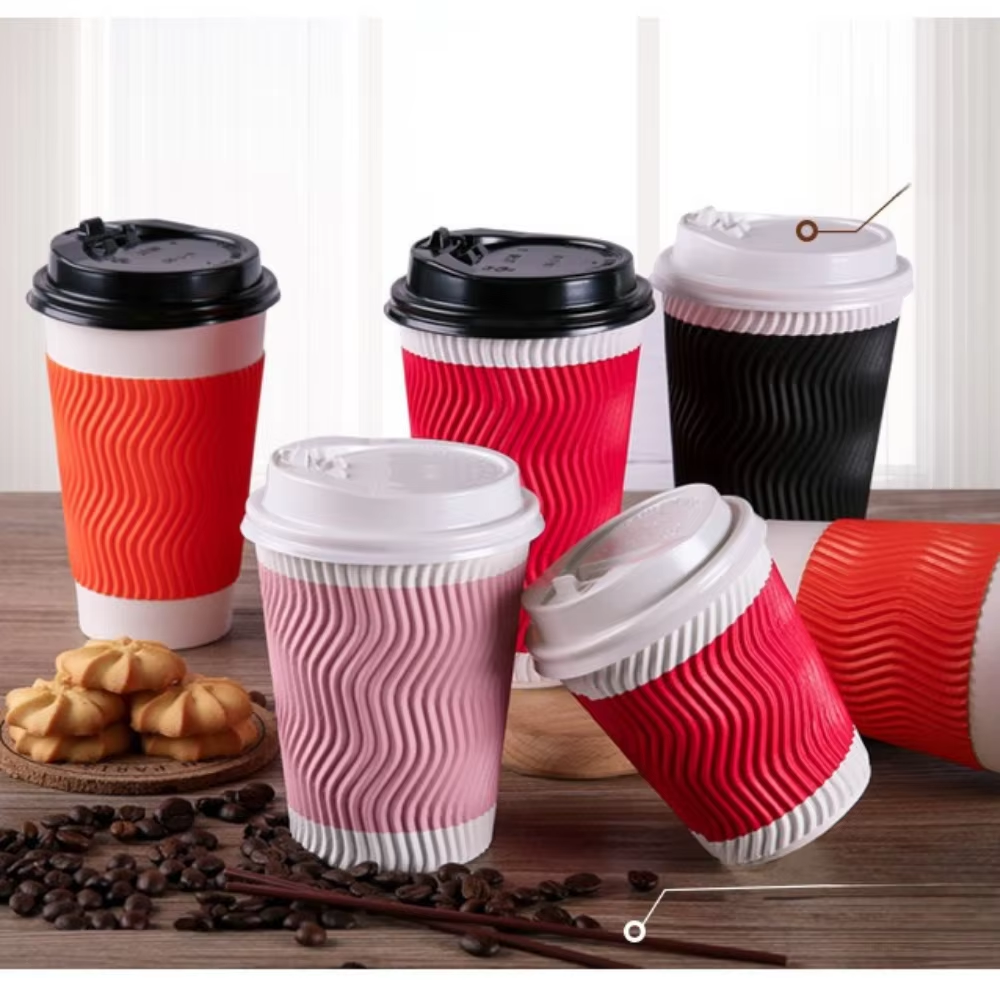
| Corrugated / Ripple | An inner cup wrapped in an outer layer of fluted kraft paper. Offers maximum heat protection and tactile grip. | Artisanal roasteries, rustic bakeries, outdoor catering. | No sleeve required. |
For brands serving a high volume of extra-hot teas and lattes, upgrading to double walled disposable coffee cups is highly recommended. While the initial unit cost of double walled disposable coffee cups is slightly higher than single-wall alternatives, buyers often recoup the expense by entirely eliminating the need to purchase, ship, and manually apply millions of cardboard sleeves.
A cup is entirely useless if the lid fails during a commute. Securing reliable bulk coffee cups with lids means paying close attention to the locking mechanism and the material composition of the lid itself.
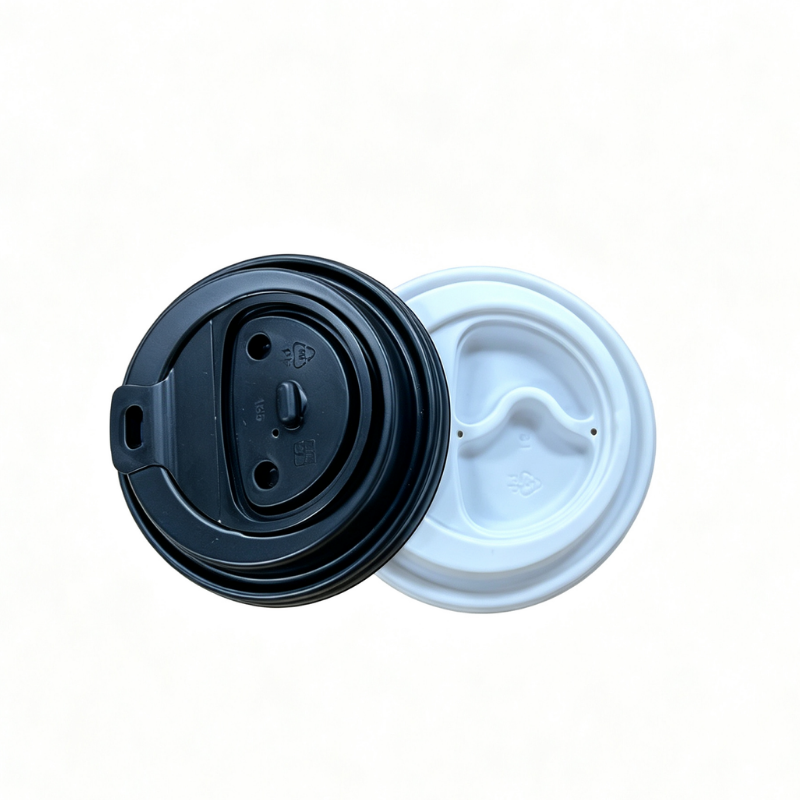
Reputable paper cup suppliers engineer their lids with a "snap-fit" mechanism that creates an audible click when attached to a rolled cup rim. This tactile feedback ensures baristas know the seal is secure before handing a 180°F beverage through a drive-thru window.
Buyers should also match the lid style to the beverage type. Standard flat sip-lids are ideal for black coffee, but if your seasonal menu relies on heavy whipped cream and caramel drizzles, you must source high-dome lids to protect the beverage's visual presentation. Additionally, as sustainability mandates increase, many enterprise buyers are transitioning away from traditional polystyrene (PS) plastic lids in favor of molded pulp fiber or CPLA (crystallized bioplastic) alternatives.
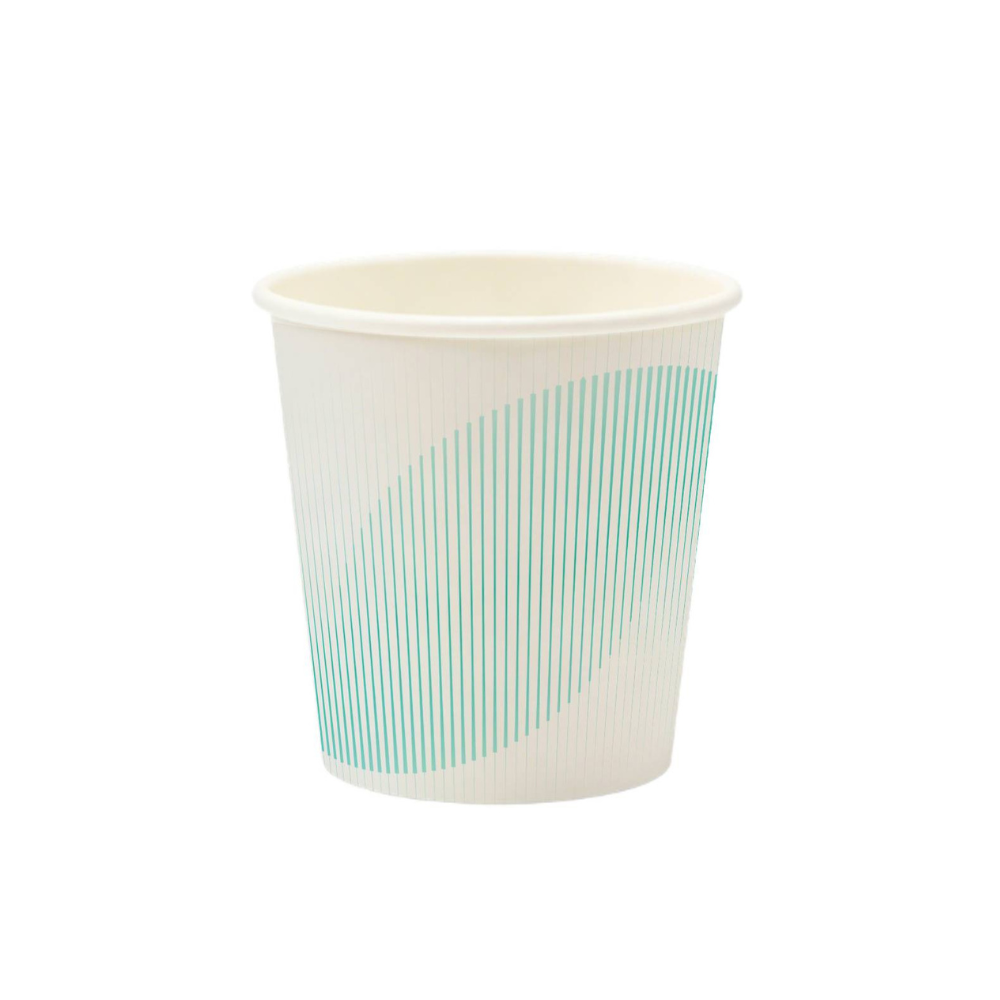
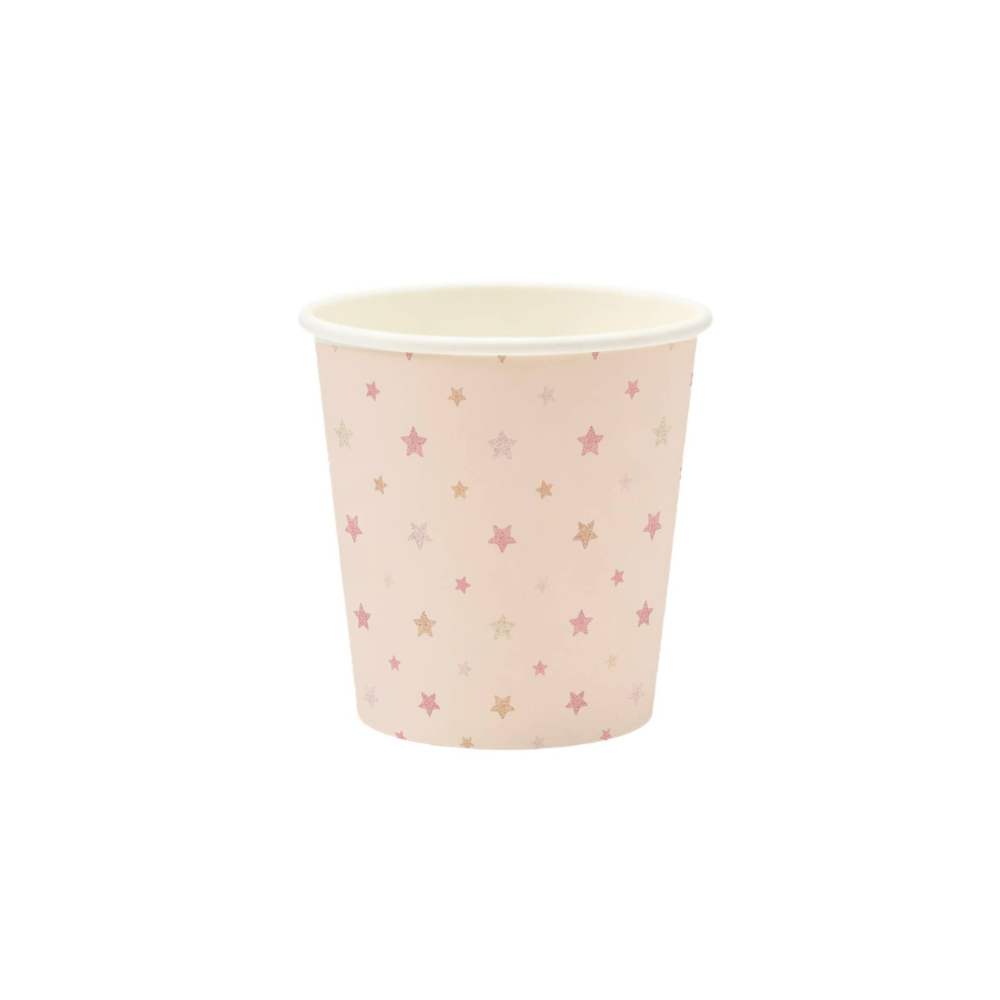
If your operation is still purchasing blank white containers, you are sacrificing your most cost-effective marketing asset. When consumers walk out of your establishment, custom-printed takeaway coffee cups wholesale serve as hyper-local mobile billboards, establishing social proof in offices and on commuter trains.
Working with a dedicated printed paper cups manufacturer allows you to leverage high-definition printing technology. Modern flexographic presses can apply intricate, multi-color logos directly onto the curved surface of the paperboard without bleeding or distortion.
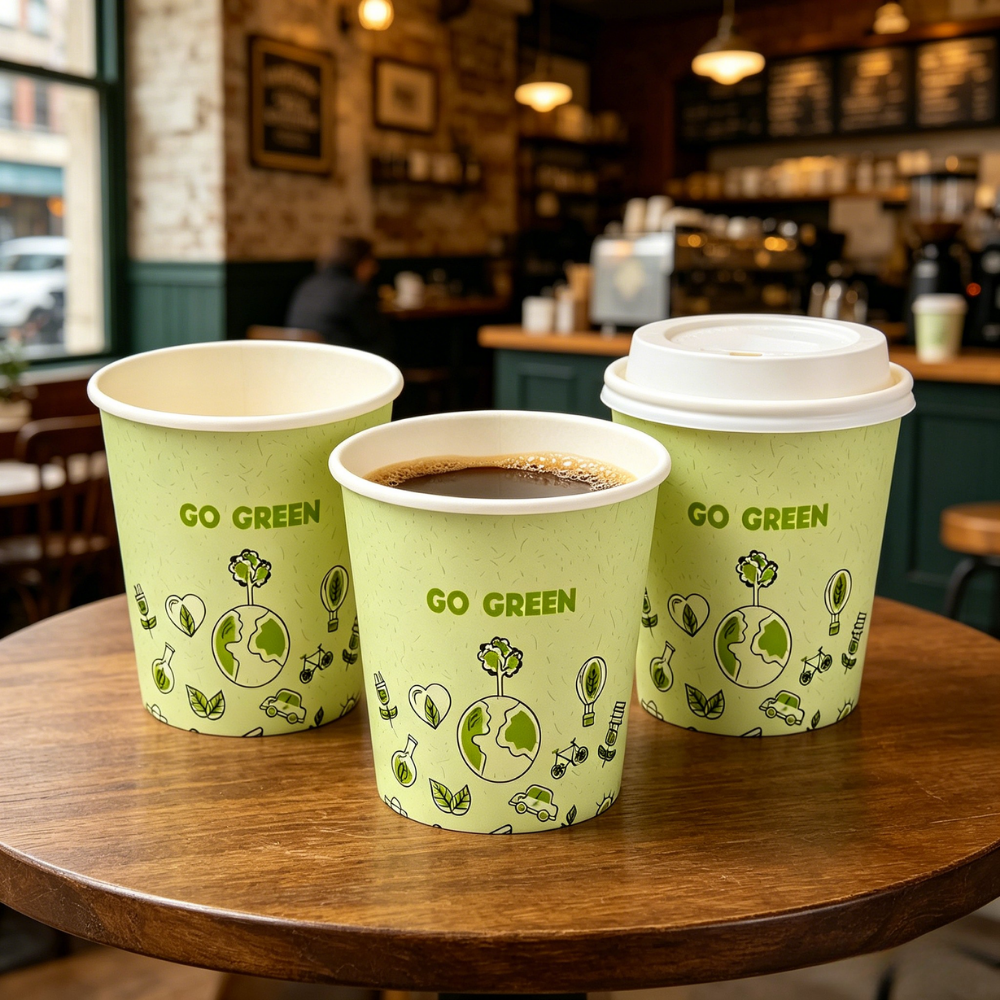
When collaborating with a printed paper cups manufacturer, buyers can also specify the exterior finish. A matte finish leaves the raw paper texture exposed, offering a classic, organic feel perfect for independent roasters. Conversely, a high-gloss finish—achieved by applying a PE or aqueous coating over the ink—makes brand colors highly vibrant and protects the artwork from condensation if the cup is used for cold beverages.
Successfully sourcing takeaway coffee cups wholesale requires a holistic view of your daily operations. The cheapest cup on paper is rarely the most cost-effective option once you factor in the cost of secondary sleeves, mismatched lids, or compromised brand integrity.
By analyzing your specific menu temperatures to justify the use of double walled disposable coffee cups, standardizing rim diameters to streamline your bulk coffee cups with lids, and partnering with capable paper cup suppliers for custom branding, procurement managers can build a resilient, efficient, and highly professional packaging supply chain.
Our technical team can clarify how these insights apply to your specific product line and market requirements. Reach out to discuss your needs.

 EN