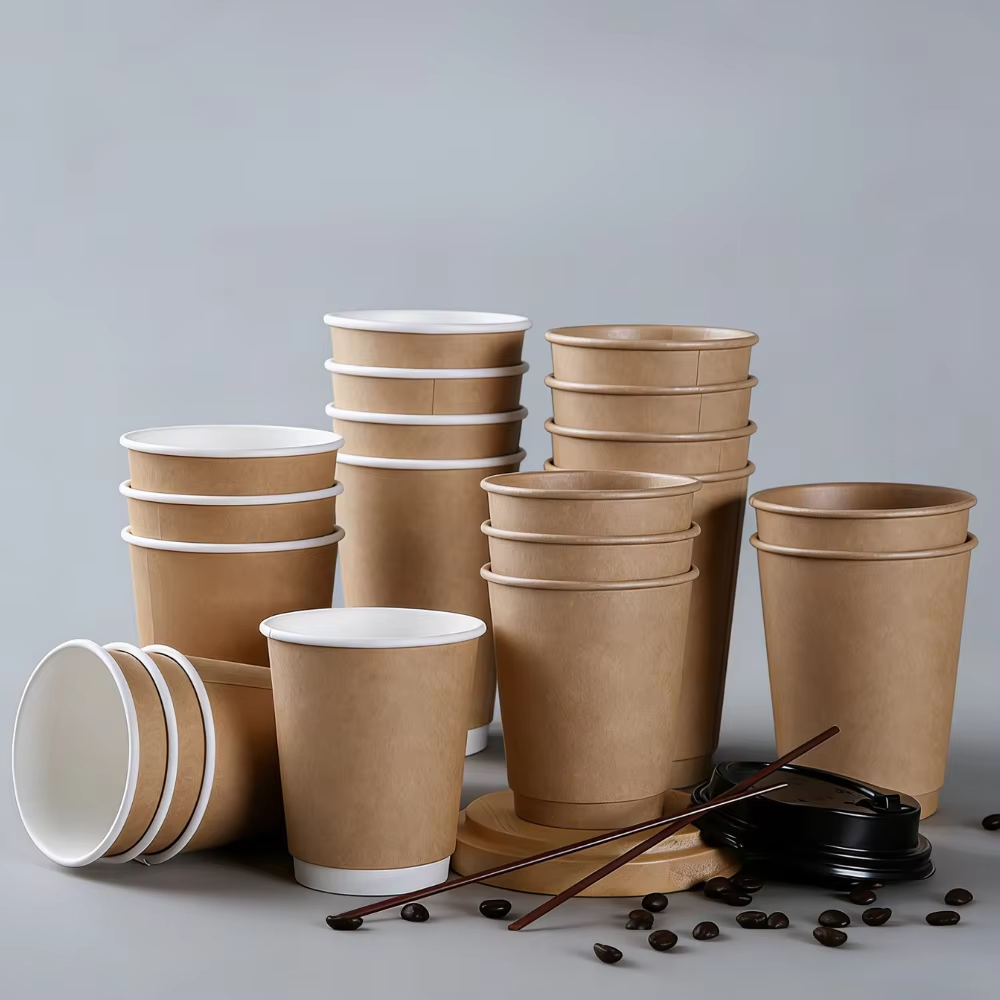
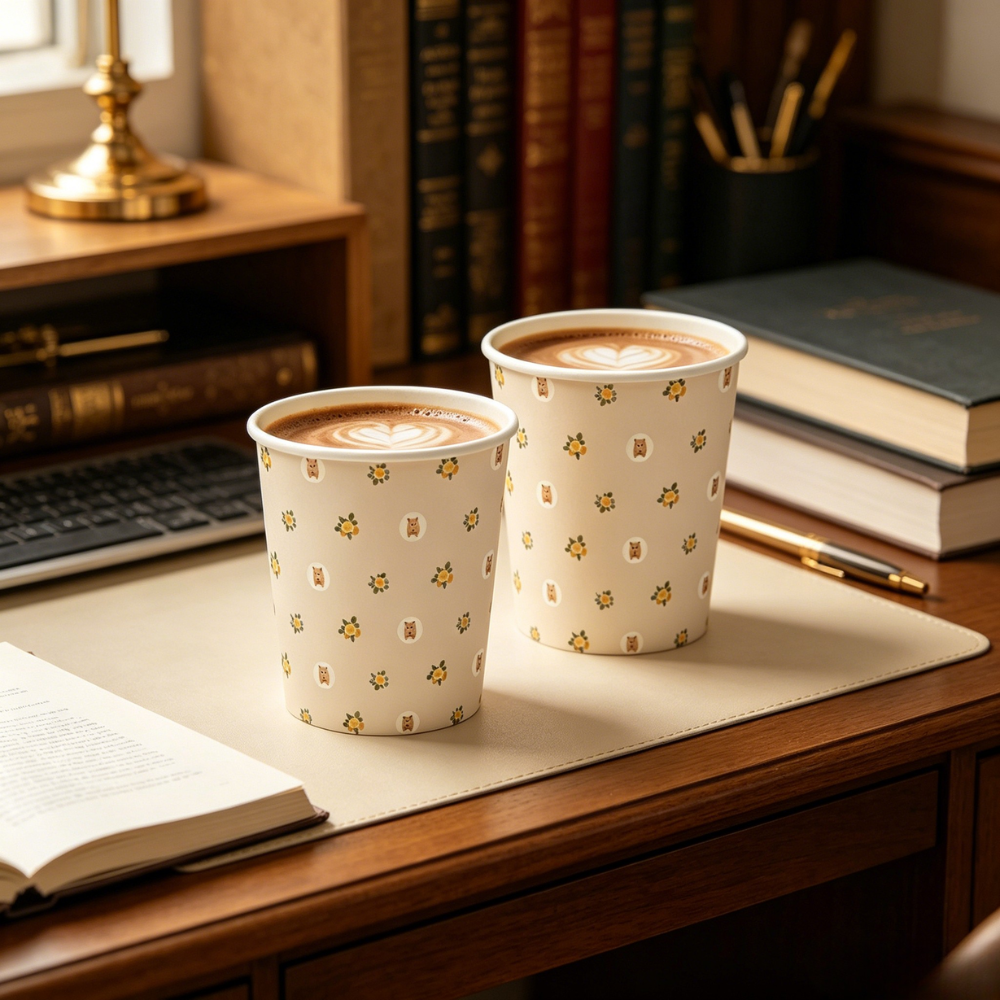
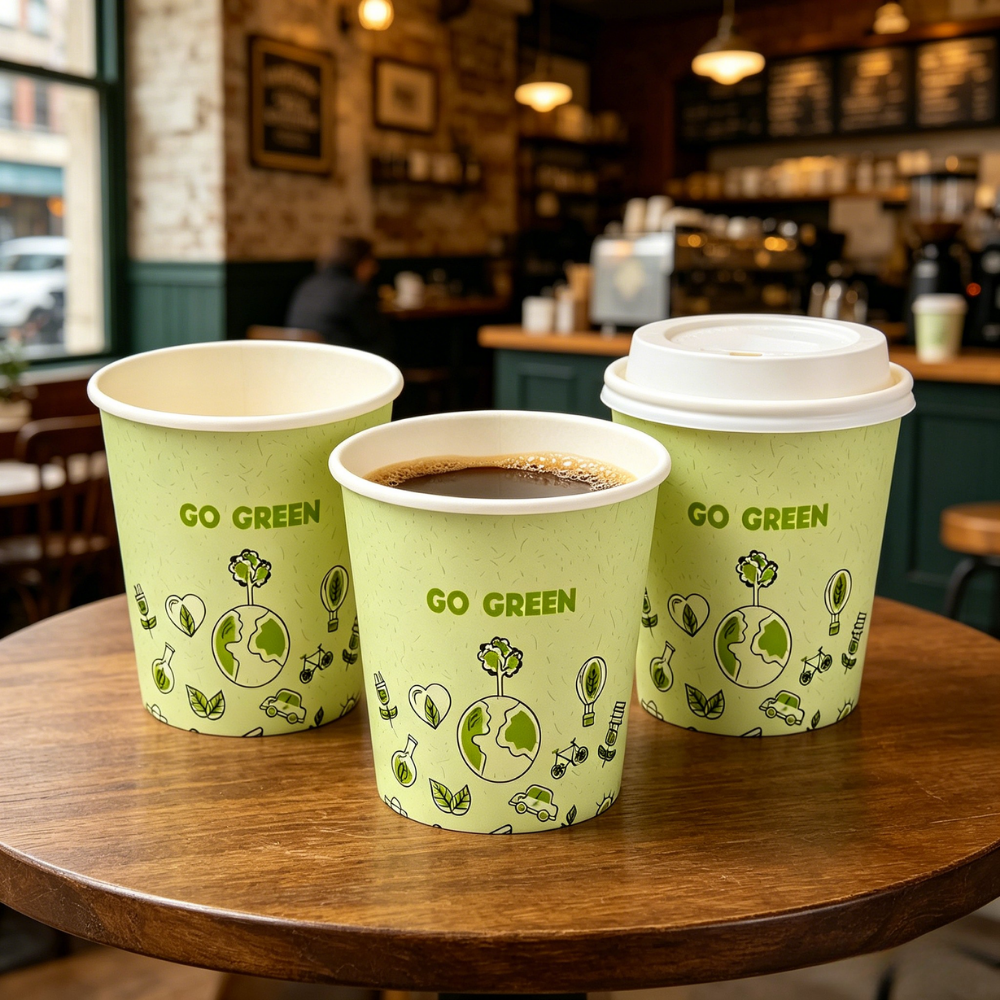
While 16oz and 20oz containers often dominate the drive-thru market, the true workhorse of the specialty coffee industry and large-scale catering is the 8oz cup. For B2B procurement teams, sourcing the correct 8oz paper cups requires precision, as this specific size is critical for traditional espresso ratios, event portion control, and minimizing inventory waste.
From a manufacturing and supply chain perspective, buying an 8oz container is not as simple as scaling down a larger cup. Everything from the paperweight (GSM) to the rim diameter and internal coating must be engineered for its specific use case. Here is a comprehensive guide for foodservice buyers and event organizers on how to specify, match, and order the perfect 8oz packaging.
In the third-wave coffee sector, beverage sizing is dictated by chemistry and flavor profiles, not just volume. Roasters and cafe owners specifically demand 8oz cups for coffee because it represents the perfect mathematical ratio for milk-based espresso drinks.
A traditional flat white, small cappuccino, or cortado relies on a double shot of espresso (approximately 2oz) paired with roughly 6oz of steamed micro-foam milk. If a barista is forced to pour this exact recipe into a 12oz cup, the beverage looks half-empty and the thermal retention is compromised by the excess air space. If they fill the 12oz cup to the brim, the espresso is completely diluted by too much milk.
Therefore, stocking high-quality 8oz paper cups is an operational necessity for any cafe looking to serve an authentic, premium coffee menu. The structural integrity of these cups must be flawless, as specialty coffee consumers are highly discerning about their tactile experience.
The most common logistical failure procurement teams face when purchasing 8oz paper cups with lids is a mismatch in rim diameter. Unlike 12oz, 16oz, and 20oz cups, which almost universally share a 90mm top opening, the 8oz size sits in a transitional manufacturing zone.
Factories generally produce 8 oz hot cups in two distinct diameter formats, and choosing the right one dictates how your entire inventory is managed:
| Rim Diameter | Key Characteristics | Best Use Case | Operational Impact |
| 80mm Rim | The traditional, slim profile for 8oz cups. Aesthetically pleasing and easy for customers to hold. | Boutique cafes, espresso bars, artisanal roasteries. | Requires purchasing a dedicated 80mm lid SKU, adding a separate line item to your inventory. |
| 90mm Rim | A wider, squatter cup design. The top rim is stretched to match larger beverage sizes. | High-volume franchises, corporate cafeterias, fast food. | Allows operations to use one universal 90mm lid for all cup sizes, drastically reducing SKU clutter and ordering errors. |
When negotiating with suppliers, buyers must explicitly confirm the rim diameter. Ordering thousands of standard 80mm cups when your warehouse is full of 90mm lids will bring your beverage service to a screeching halt. To guarantee a leak-proof seal, we highly recommend sourcing your cups and lids from the same manufacturer to ensure the locking mechanisms are perfectly calibrated.
Because of their smaller volume, 8oz paper cups are frequently manufactured using thinner paperboard (such as 250 GSM) to cut costs. However, when you pour 200°F (93°C) boiling water into a thin cup for a serving of hot tea, the paperboard quickly becomes dangerously soft and pliable.
For commercial applications, B2B buyers should insist on a minimum of 300 to 320 GSM for their 8 oz hot cups. This thicker board ensures the cup remains rigid and safe to handle, even without a protective cardboard sleeve.
Furthermore, the internal coating dictates the environmental footprint of the packaging. When buyers order paper cups bulk for corporate events or eco-conscious cafes, they now have three distinct barrier options:
Outside of the cafe environment, the 8oz size dominates the event and catering industry. Whether it is a massive outdoor music festival serving hot cider or a corporate tech conference offering morning coffee, event organizers rely on 8oz cups for coffee as the ultimate portion-control tool.
Serving smaller portions allows caterers to stretch their beverage inventory further while reducing the amount of half-finished, wasted drinks abandoned on conference tables.
However, procuring 8oz paper cups with lids for a 10,000-person event requires precise supply chain logistics. When you transition from ordering a few cases to ordering paper cups bulk by the pallet, cubic volume becomes a major cost factor.
A standard shipping pallet can typically hold between 24,000 and 30,000 single-wall 8oz paper cups, depending on the carton dimensions and nesting depth of the specific manufacturer's design. Buyers should work closely with their suppliers to optimize pallet configurations. If you choose double-wall 8oz cups for better insulation, be aware that the thicker walls prevent tight nesting, which can reduce the number of cups per pallet by up to 40%, subsequently increasing your freight costs per unit.
Do not underestimate the complexity of sourcing small packaging. While they hold less liquid, 8oz paper cups require just as much strategic planning as their larger counterparts.
By aligning the rim diameter (80mm vs. 90mm) with your existing lid inventory, demanding a high GSM paperboard for safety, and calculating the exact freight logistics when ordering paper cups bulk, B2B buyers can secure cost-effective, high-performing packaging. Ultimately, ensuring you have the perfect 8oz paper cups with lids in stock guarantees that whether your customer orders a meticulously crafted flat white or grabs a quick coffee at a conference, their beverage is presented flawlessly.
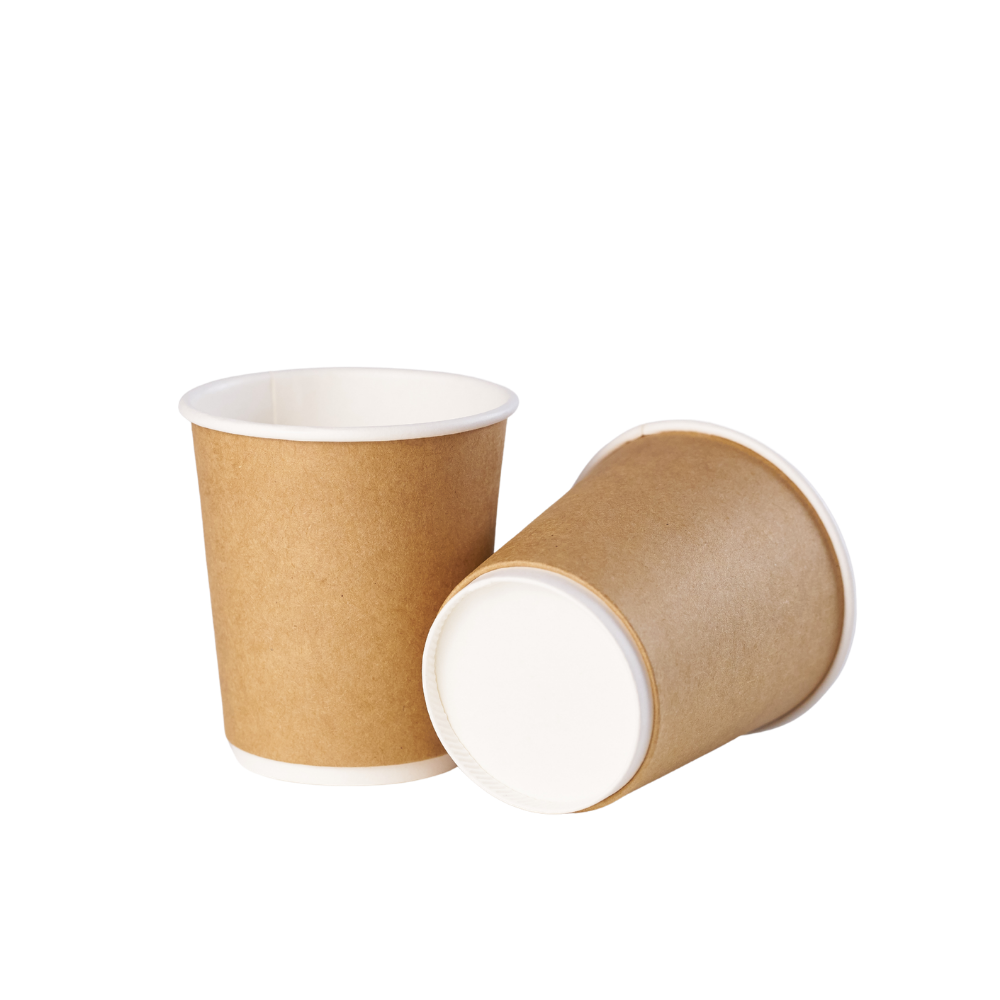
Our technical team can clarify how these insights apply to your specific product line and market requirements. Reach out to discuss your needs.

 EN