Structural Optimization for Hot Fluid Containment
In commercial coffee service, 12 oz hot cups must maintain physical rigidity while carrying liquids near boiling point. As hot water is introduced, thermal energy affects the cellulose fibers of the paperboard. Without a stable polymer barrier and appropriate board thickness, the paperboard can absorb moisture from internal steam or external condensation, leading to wall softening.
To address this, the manufacturing process coats the raw paperboard with a protective barrier layer before cup forming. This coating seals the fiber structure, stopping liquid from reaching the unlined paper layers. This barrier, combined with a precise bottom-chime knurling depth, protects the cup's critical joint points throughout the typical consumption period.
Thermal Transfer and Insulation Engineering
Managing heat transfer is a primary requirement when selecting single-wall or multi-layer cup designs. Standard 12 oz paper cups with single-wall construction are highly material-efficient but transfer heat quickly to the outer surface. When serving beverages above 80°C, these cups typically require a corrugated paper sleeve to ensure comfortable handling.
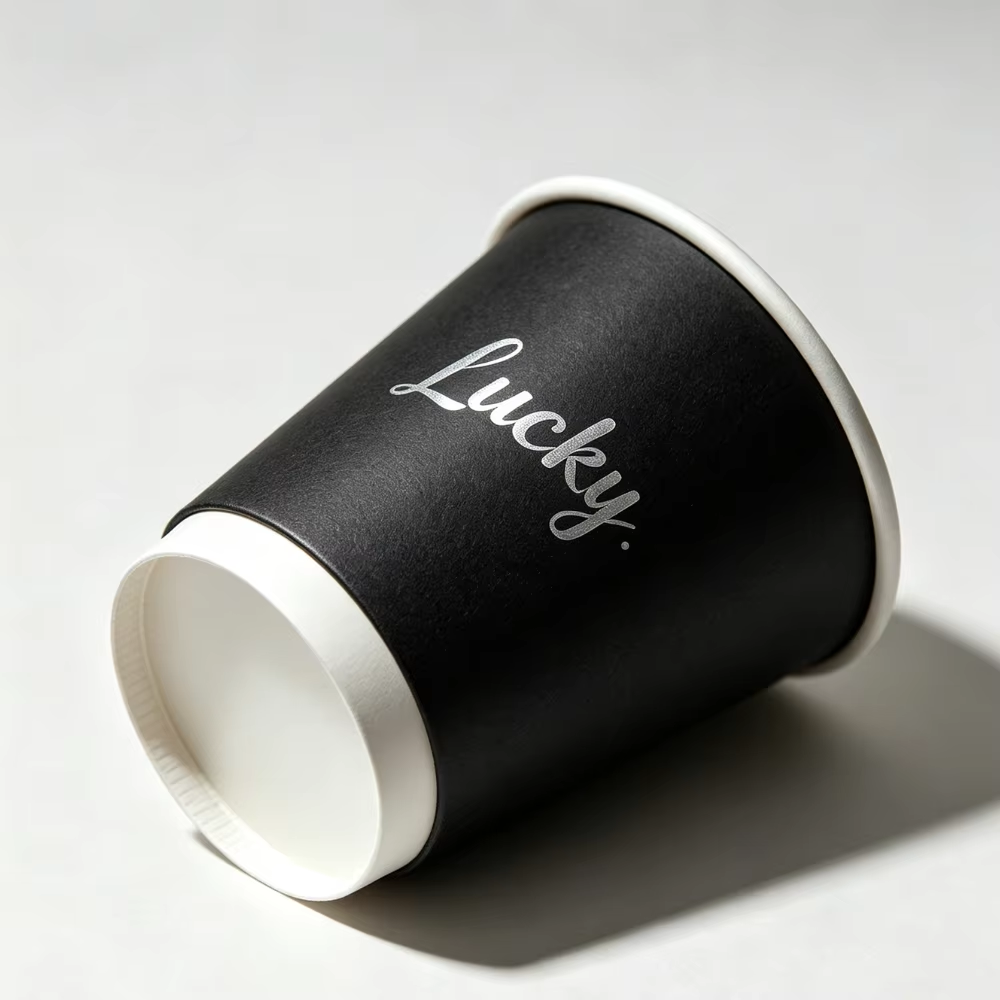
Alternatively, double-wall and ripple-wall 12 oz hot cups incorporate an integrated secondary layer of paperboard. This outer wrap wraps around the inner cup, leaving a thin insulating air gap. This gap slows down thermal transfer to the outer wall, keeping the cup surface comfortable to hold without needing an extra sleeve. This integrated insulation simplifies counter operations and reduces individual accessory inventory.
Lid Alignment and Spill Management
The junction between the rolled cup rim and the plastic lid is a common leak point in takeaway service. If the rim has uneven thickness, seam bumps, or minor oval distortion, the lid cannot seat correctly. This can cause liquid to seep through small gaps when the cup is tilted.
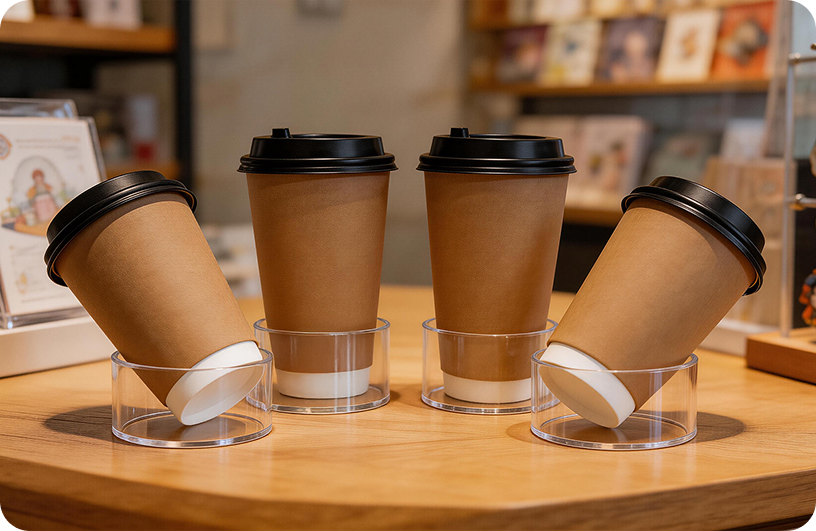
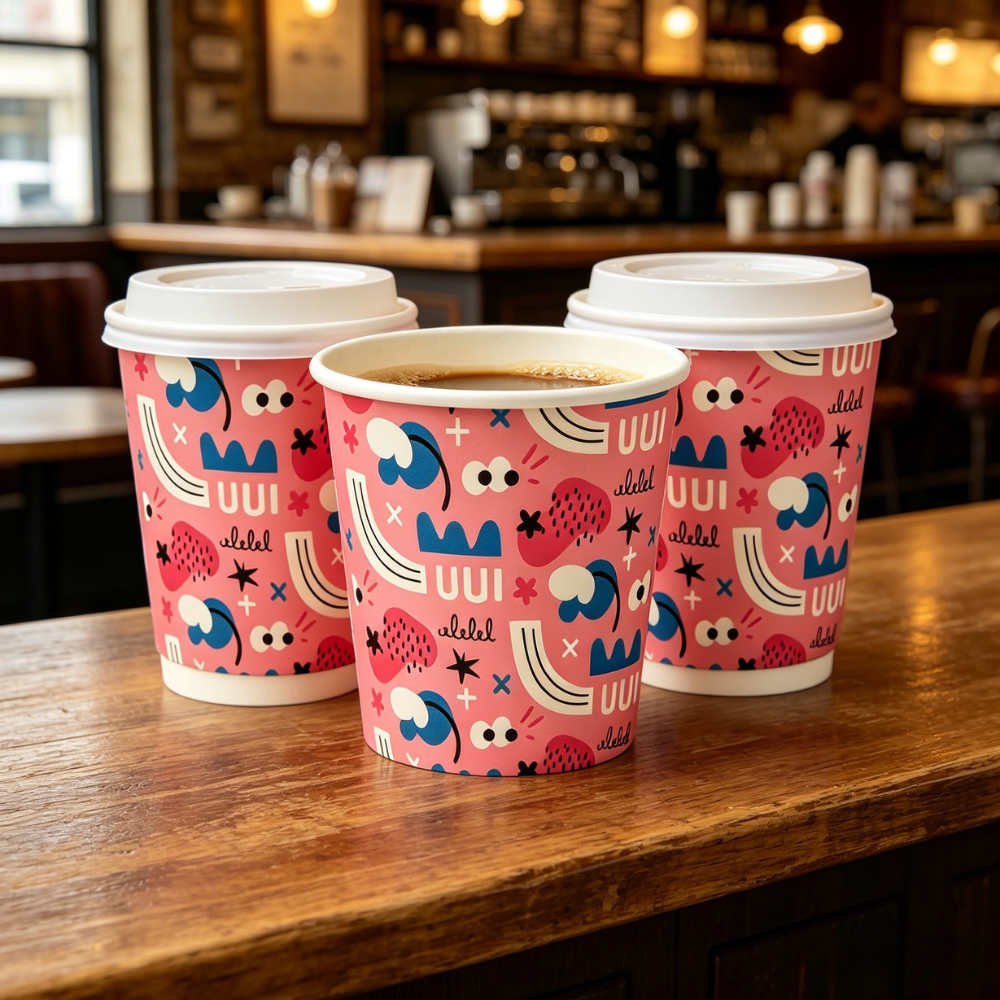
Our 12 oz paper coffee cups are formed using precision steel rolling dies to produce a round, consistent rim profile. This profile matches standard lid designs, providing a secure snap fit that stays in place during transport. Operators should verify that their chosen lid material—whether polystyrene, polypropylene, or pulp-molded—matches the rim dimensions of the 12 oz hot paper cups to maintain a reliable seal.

 EN