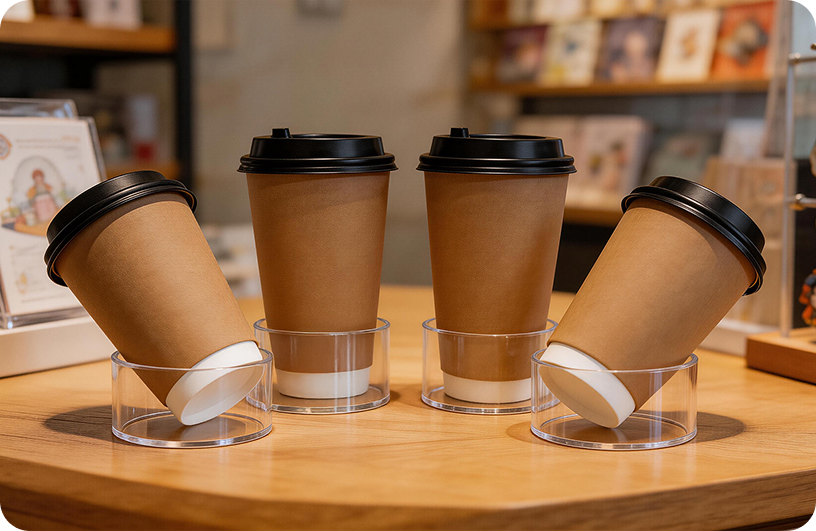
As global brands accelerate their shift away from conventional plastic-laminated cup stock, APP presents verified performance data for its zero-plastic, water-based barrier coated paper cup range. Built on premium FK2 base paper, the EPP, REPP, and RKPP product lines deliver the leak resistance, thermal reliability, and regulatory compliance that beverage brands, converters, and distributors require—without the recyclability and compostability trade-offs of traditional PE lamination.

The product family is engineered to match specific beverage applications while maintaining a consistent commitment to plastic-free performance.
All three lines are silicone-free, wax-free, and fluorine-free, offering strong barrier properties against water, oil, coffee, tea, and beverages.
For procurement teams, the central question is straightforward: can a water-based coating match established PE film performance? APP’s comparative testing provides a direct answer. In a 3-hour barrier test, zero-plastic EPP paper performed identically to PE-laminated paper across critical scenarios:
| Test Medium | Condition | PE Film | EPP |
| Penetrant (5% hand soap) | 30 min | OK | OK |
| Hot Coffee | 100°C | OK | OK |
| Hot Tea | 100°C | OK | OK |
| Cola | pH 4.0 | OK | OK |
| Sprite | pH 4.0 | OK | OK |
Both materials showed identical limitations with high-alcohol liquids (red wine, spirits), providing buyers with a transparent, realistic performance boundary rather than overstated claims.
For cold applications, the RKPP 310 cup body stiffness test is particularly compelling. When holding 0°C ice water over 60 minutes, RKPP retained a stiffness value of 4.47, compared to just 2.43 for competing zero-plastic coated paper—demonstrating markedly better structural integrity under demanding cold-chain conditions.
Important note on standards: No unified leakage testing standard currently exists for zero-plastic paper; all testing references PE standards. Because each customer's end-use differs, testing methods and acceptance criteria should be aligned with the specific application.

For beverage brands evaluating next-generation Hot Beverage Cup materials, the transition is not only about replacing plastic but also about maintaining consumer confidence at every touchpoint. A cup used for hot coffee, tea, milk, or soup must resist leakage, preserve rigidity, support clear printing, and perform consistently during filling, sealing, stacking, transport, and customer handling. This is where Water-Based Barrier Coating technology provides practical value: it allows paper cup stock to deliver functional liquid resistance while supporting recyclability and compostability objectives.
In addition, APP’s EPP and REPP grades help converters reduce material complexity by offering stable forming performance for mainstream hot drink formats. For retailers and foodservice operators, these coatings create an opportunity to upgrade sustainable packaging without significantly changing existing cup designs or daily service workflows. As regulations continue to restrict PFAS, fluorinated additives, and difficult-to-recycle plastic laminates, verified Water-Based Barrier Coating solutions give procurement teams a safer route toward compliant, scalable, and market-ready hot beverage packaging.
APP's cup stock is documented for multi-market distribution, directly addressing customs and market-rejection risks.
Sustainability credentials are equally robust: the barrier coated paper carries recyclability assessment, 100% bio-based content confirmation via Beta Analytic testing, and industrial/home compostability certifications from ABA (Australia), DIN-Geprüft, and Seedling (Europe).
Reliable specifications depend on reliable production. APP's manufacturing operations are governed by a fully certified quality framework, including ISO 9001 (Quality Management), ISO 14001 (Environmental Management), ISO 45001 (Occupational Health & Safety), and both ISO 22000 and FSSC 22000 (Food Safety Management), supported by a national Industrial Product Production License. This integrated system ensures consistent coating application, batch-to-batch grammage accuracy, and full documentation traceability—critical assurances for buyers managing large-volume, multi-market supply programs.
For converters, practical run-time considerations matter as much as material specifications. A key processing note applies to RKPP: corona treatment is required on the coated side before printing to ensure proper ink adhesion. Beyond this, the EPP, REPP, and RKPP lines are engineered for strong heat-seal self-adhesion and stable cup forming on standard converting equipment, minimizing the need for specialized retooling.
Water-based barrier coated paper has moved from concept to verified, market-ready performance. Across EPP, REPP, and RKPP, APP's testing demonstrates barrier reliability matching PE film, superior cold-cup.
Water-based barrier coated paper has moved from concept to verified, market-ready performance. Across EPP, REPP, and RKPP, APP's testing demonstrates barrier reliability matching PE film in key beverage conditions, improved structural performance for cold-cup applications, and strong compliance support for global food-contact packaging markets.
For brands, converters, and distributors seeking a practical alternative to traditional plastic-laminated paper, APP’s Water-Based Barrier Coating portfolio offers a credible pathway toward recyclable, compostable, and regulation-ready Hot Beverage Cup and cold beverage packaging solutions.
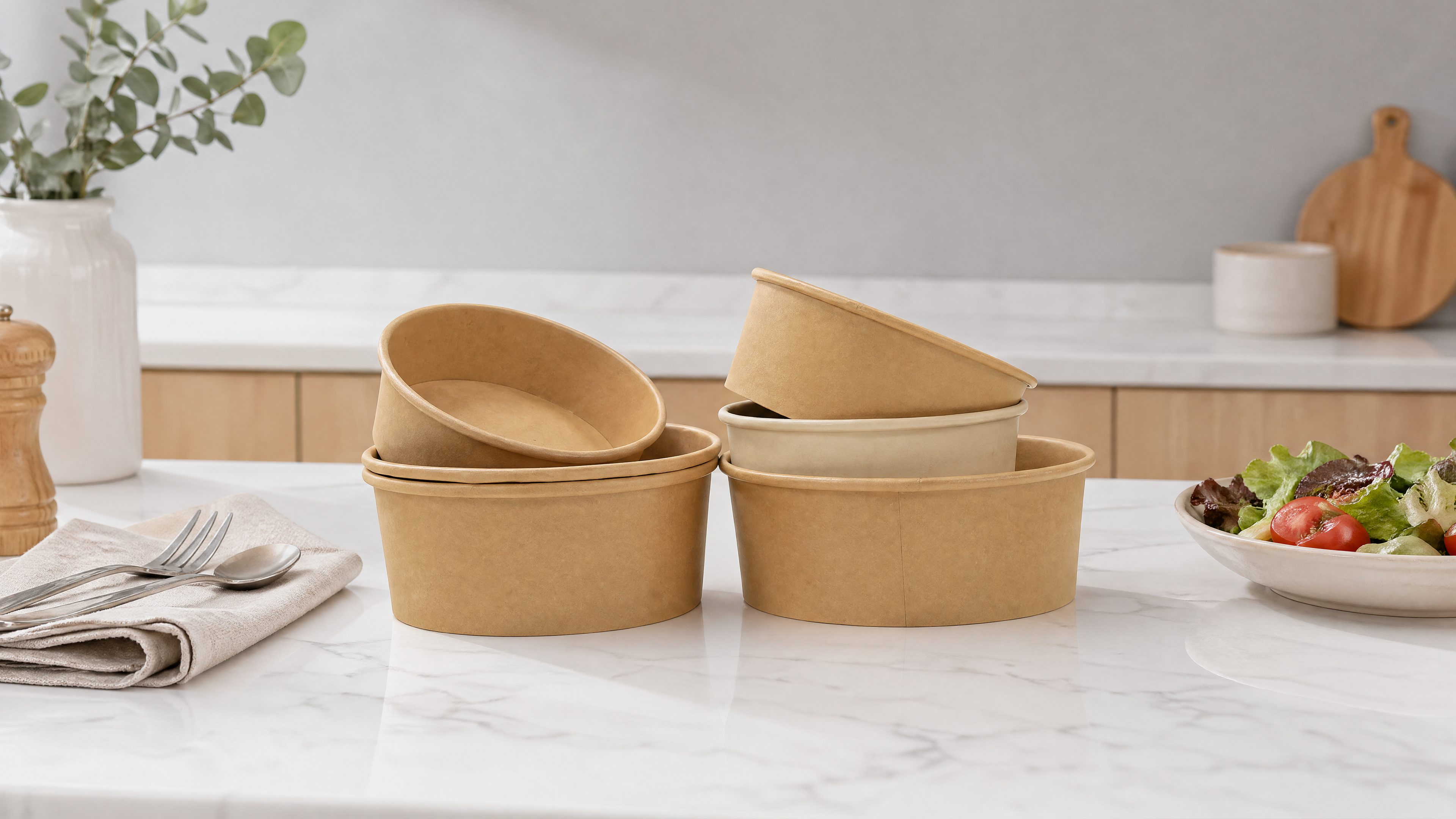
Our technical team can clarify how these insights apply to your specific product line and market requirements. Reach out to discuss your needs.

 EN