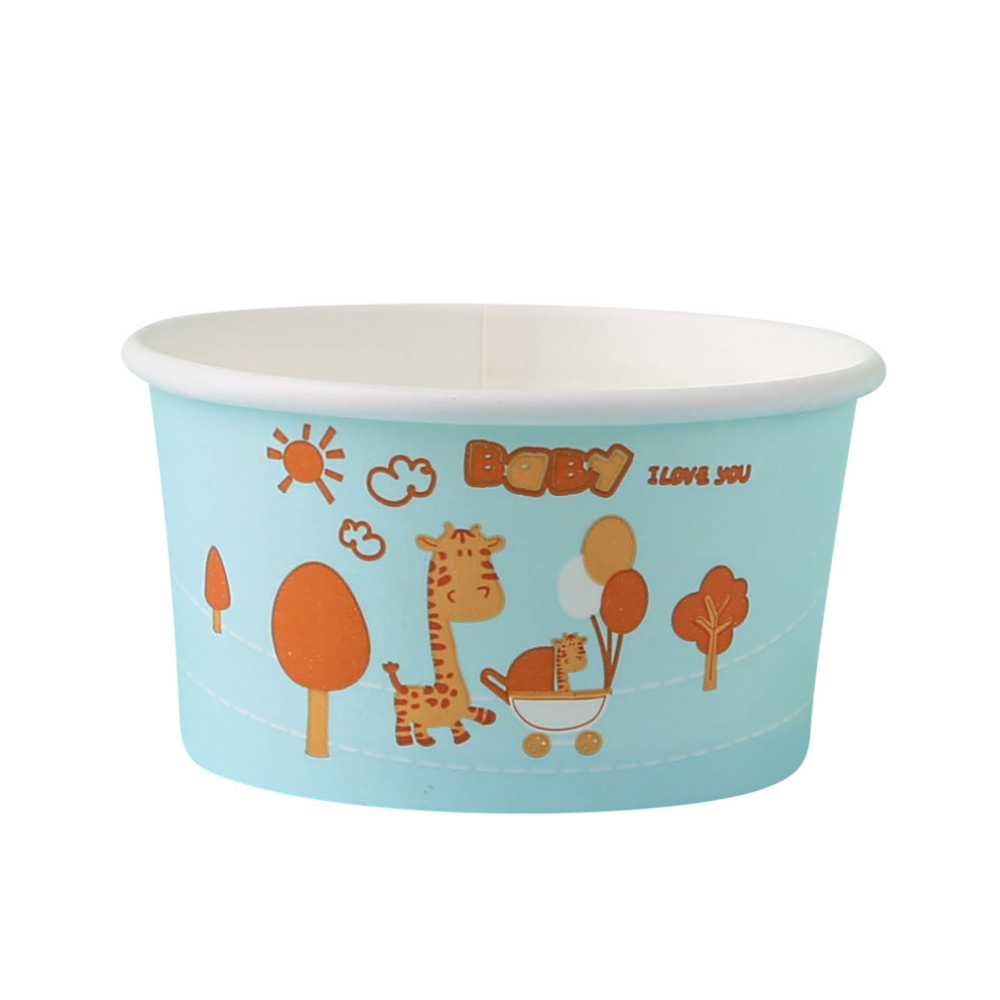
If you procure packaging for a gelateria, a frozen yogurt franchise, or a restaurant with a booming dessert delivery business, you face a unique set of challenges. Frozen desserts are highly temperature-sensitive. The moment they leave the freezer, they begin to melt, creating rapid temperature fluctuations and heavy moisture.
As a manufacturer who has spent years on the production floor, I often see B2B buyers make a critical mistake: they assume a standard hot coffee cup can simply be cut shorter and used for cold desserts. This misunderstanding leads to soggy packaging, collapsed walls, and frustrated customers.
Sourcing high-quality paper ice cream cups requires an understanding of cold-chain packaging dynamics. If you want to protect your product's presentation and your brand's reputation, here is an insider’s guide to choosing the right paper ice cream cups for your foodservice operations.
The structural demands placed on disposable ice cream cups are entirely different from those placed on hot beverage cups.
When you pour hot coffee into a cup, the heat stays inside. Therefore, standard hot cups only require a barrier coating on the inside of the paperboard to prevent leaks. However, when you scoop freezing cold gelato into paper ice cream cups, the ambient humidity in the room instantly condensates on the outside of the cup.
If you use a single-coated cup for ice cream, that exterior condensation will quickly soak into the raw paper fibers. Within ten minutes, the cup becomes soft, mushy, and unappealing.
To survive both the freezer and the customer's warm hands, professional disposable ice cream cups must be double-coated (coated on both the inside and the outside). Historically, this meant applying a double layer of PE (polyethylene). However, as environmental regulations tighten, the industry is rapidly evolving.
Today’s consumers are highly conscious of single-use plastics, especially in the premium dessert sector. To meet this demand, leading brands are aggressively transitioning to biodegradable ice cream cups.
But "biodegradable" can be a dangerous buzzword if not backed by certifications. When sourcing biodegradable ice cream cups, you must ensure the barrier technology actually works in sub-zero temperatures without cracking.
As part of the APP Group—a global leader in pulp and paper—we utilize advanced BPI-certified compostable PLA (polylactic acid) or water-based ECO coatings for our double-sided cold cups. These materials provide the exact same moisture resistance as traditional plastics but carry the DIN Seedling EN13432 certification. Furthermore, because these coatings are applied in our dedicated clean rooms, our paper ice cream cups come with a strict PFAS-Free guarantee, ensuring your desserts remain 100% chemically safe.
Ice cream and gelato are dense, high-margin items. Precise portion control is the difference between a profitable quarter and a loss. Furthermore, with the rise of food delivery apps, dessert packaging must now travel securely.
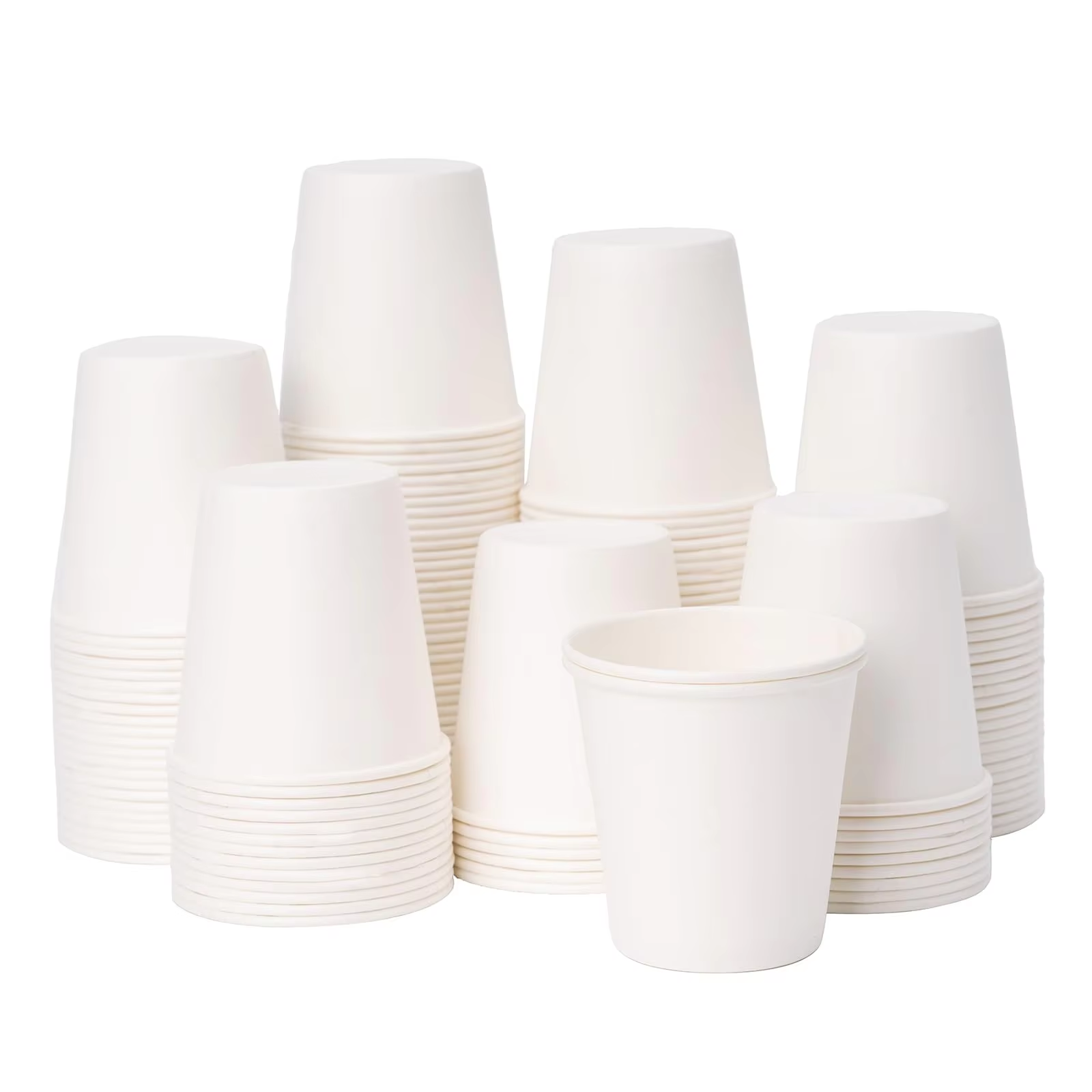
When building your inventory of paper ice cream cups, you must factor in nesting efficiency and lid compatibility. Here is a practical breakdown of how top dessert franchises organize their cup procurement:
| Cup Size | Primary Application | Key Procurement Focus |
| 3 oz - 4 oz | Kids' scoops, sampling, or rich gelato. | Sourcing 4 oz ice cream cups with lids is critical for leak-proof delivery of small, premium portions. |
| 6 oz - 8 oz | Standard double scoop / Frozen Yogurt. | Requires a wider rim diameter for easy scooping and topping presentation. |
| 12 oz - 16 oz | Take-home pints, large sundaes, milkshakes. | Must feature maximum board stiffness (GSM) to prevent the cup from crushing under heavy grip pressure. |
For delivery operations, finding reliable 4 oz ice cream cups with lids (or larger equivalents) can be surprisingly difficult. The lid must snap perfectly over the double-coated rim without cracking the paper. This requires immense precision during the rim-rolling phase of production.
This brings us to the most important aspect of B2B procurement: who is actually making your cups?
Many buyers purchase their disposable ice cream cups from trading companies that outsource the printing, coating, and forming to three different factories. In precision paper cup manufacturing, this fragmentation causes minute dimensional variations. If the rim is off by half a millimeter, the lid will pop off during transit, ruining the dessert.
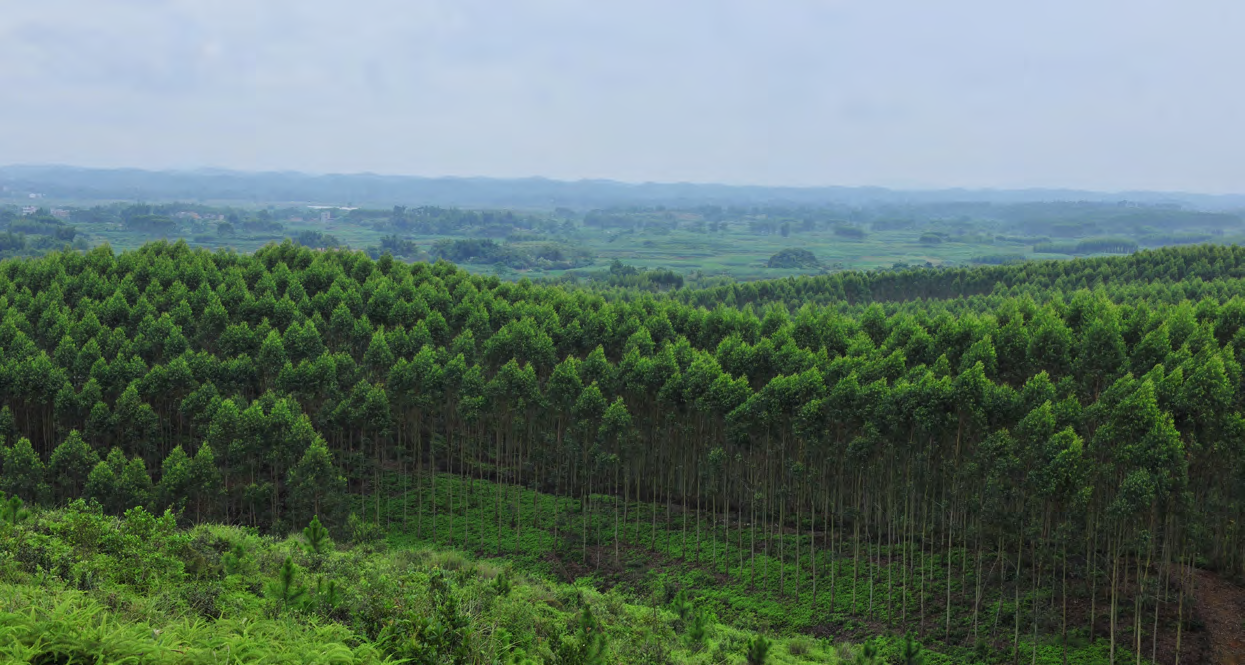
To ensure zero-defect packaging, you need a fully integrated supply chain. We operate a "From Forest to Finished Package" model. Our wood fibers come from PEFC-certified sustainable forestry with zero deforestation. The virgin pulp is produced in-house, ensuring batch-to-batch consistency and a pure, unblemished white board.
With over 200 automated converting lines, our paper cup manufacturing process includes 100% incoming material inspection and full in-process monitoring. This integration keeps our defect rate below 0.1%, ensuring that every lid snaps tightly onto every cup.
To illustrate this, an artisanal gelato brand approached us last summer. They were trying to expand into local delivery, but their existing generic disposable ice cream cups were failing.
Because they used single-coated cups, the condensation weakened the rims. When the delivery drivers placed them in insulated bags, the moisture caused the generic lids to slip off. They were losing money on refunds and bad reviews.
We transitioned them to our premium double-PLA biodegradable ice cream cups. We engineered a custom-printed suite ranging from large pints down to small 4 oz ice cream cups with lids for their tasting menus. Because we manufactured the cups and the matching domed lids in the same SMETA (Sedex) audited facility, the tolerances locked perfectly. Not only did their delivery spill rate drop to zero, but they also heavily marketed our compostable certifications to their eco-conscious customer base, boosting their overall sales.
Frozen desserts require highly engineered packaging. You cannot cut corners with single-coated hot cups or untraceable, generic materials.
When you source your paper ice cream cups, prioritize double-sided moisture barriers, strict portion-control sizing, and PFAS-free safety validations. By partnering with a fully integrated manufacturer who controls the entire process from the certified forest to the global delivery, you protect your product’s integrity.
Whether you are serving a single scoop in a shop or delivering bulk orders across the city, investing in precision-engineered paper ice cream cups ensures your desserts arrive looking and tasting exactly as the chef intended.
Our technical team can clarify how these insights apply to your specific product line and market requirements. Reach out to discuss your needs.

 EN