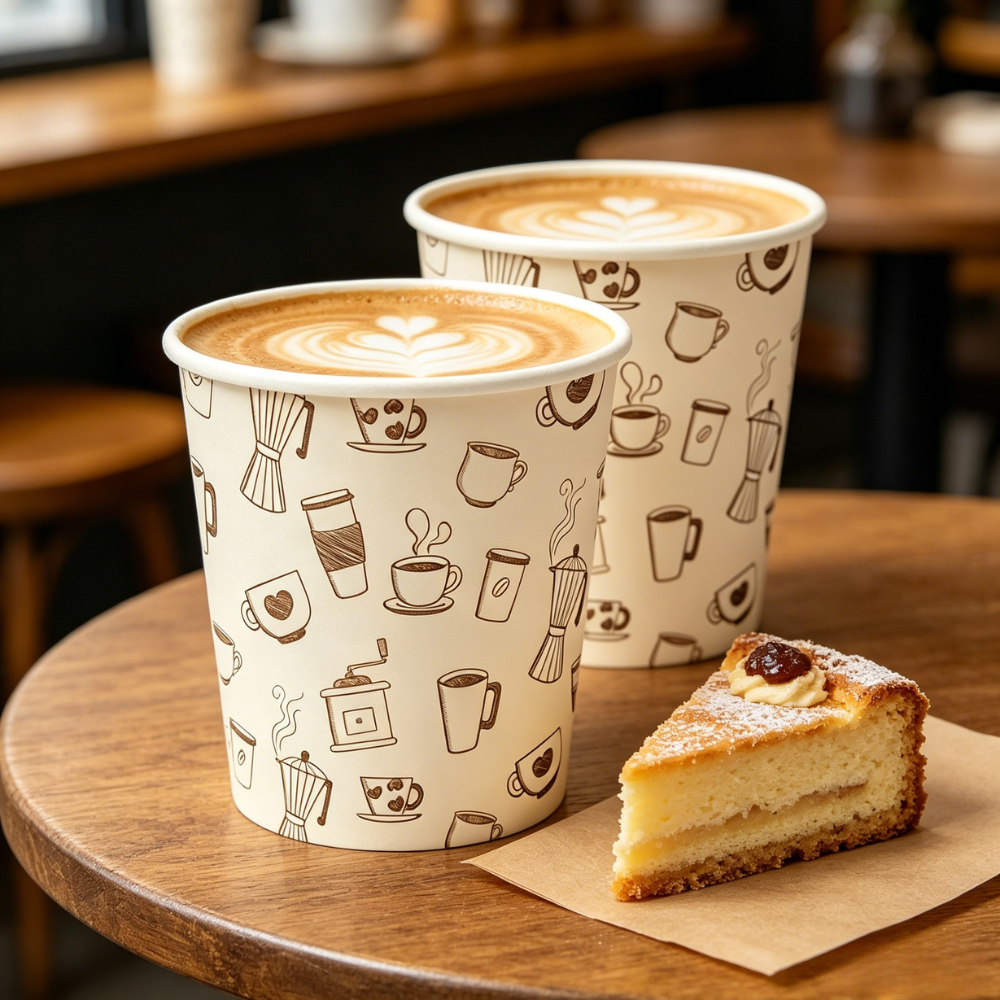
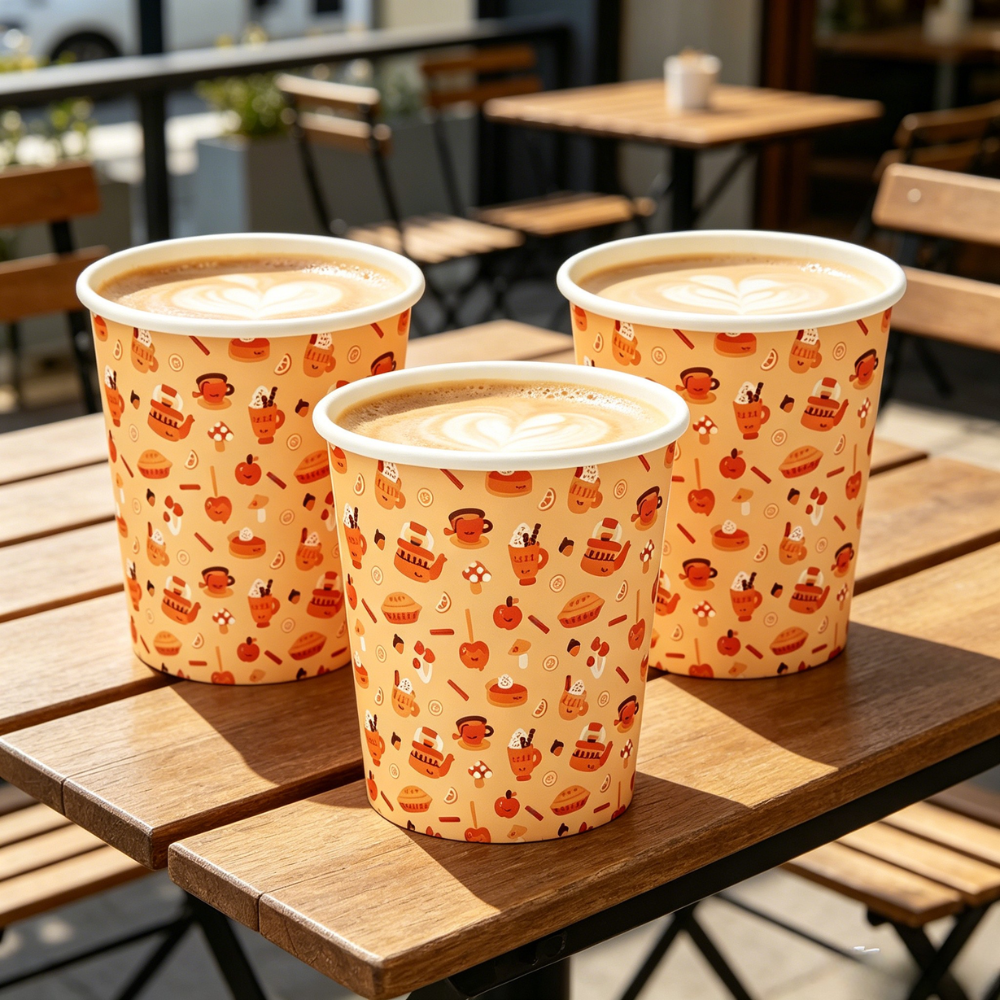
Managing inventory in commercial foodservice is a constant battle against SKU (Stock Keeping Unit) proliferation. Every new cup size added to a procurement list introduces a new layer of logistical complexity. However, if there is one undisputed heavyweight champion of commercial beverage packaging, it is the 12 oz container. For procurement teams aiming to streamline their supply chain without sacrificing customer experience, 12 oz paper cups represent the ultimate "Goldilocks" solution—neither too small for a morning commute nor too large for a mid-day espresso drink.
From the perspective of paper cup manufacturing, we continually advise our enterprise clients—ranging from hospital cafeterias to global coffee franchises—to anchor their purchasing strategy around this specific size. Here is an in-depth look at why standardizing your inventory with the 12 oz standard drastically improves operational efficiency and profit margins.
The primary enemy of warehouse efficiency is mismatched lids and cups. When brands stock 8oz, 10oz, 12oz, 16oz, and 20oz sizes simultaneously, baristas and catering staff inevitably grab the wrong lid during a rush, leading to spills, slowed service times, and wasted inventory.
By consolidating your primary beverage offerings around 12 oz hot cups and perhaps one larger secondary size (like 16oz), you immediately simplify your purchasing. The vast majority of premium 12 oz paper coffee cups are engineered with a universal 90mm top rim diameter. This geometric standard means buyers can source a single lid SKU that perfectly fits multiple cup sizes across their entire operation. This single adjustment can halve the amount of warehouse racking space required for plastic or pulp lids.
In the specialty coffee sector, profit margins are tightly tied to milk and syrup ratios. A standard double shot of espresso yields roughly 2 ounces of liquid. When poured into 12 oz paper cups and combined with 8 to 9 ounces of steamed micro-foam milk, the result is a perfectly balanced, traditional latte or flat white.
If a cafe pushes consumers toward 16oz cups, the barista must use more milk, and often pull a third espresso shot, to prevent the drink from tasting severely diluted. This significantly raises the Cost of Goods Sold (COGS). The 12 oz size maintains the perfect ingredient ratio, protecting the cafe's profit margins while still delivering a highly satisfying volume to the consumer.
Because 12 oz hot cups hold roughly 350ml of liquid, the physical weight of the beverage begins to test the limits of standard paperboard. A low-quality, thin cup will flex inward when gripped firmly by a consumer, potentially causing the rigid lid to pop off and resulting in severe burns.
When sourcing wholesale paper coffee cups in this size, procurement teams must strictly evaluate the GSM (Grams per Square Meter) of the base board. Here is a baseline material recommendation for enterprise buyers:
| Cup Construction | Recommended GSM | Best Foodservice Application | Heat Retention Profile |
| Single Wall (Standard) | 300 - 320 GSM | Standard drip coffee, corporate office pantries | Moderate (Sleeve recommended for boiling tea) |
| Double Wall | 250 GSM Inner + 250 GSM Outer | Premium cafes, specialty winter seasonal drinks | Excellent (No cardboard sleeve required) |
| Corrugated / Ripple Wall | 300 GSM Inner + Kraft Fluting | Artisanal roasters, high-end catering events | Maximum insulation and tactile grip |
If a supplier offers heavily discounted 12 oz paper coffee cups, buyers must verify that the factory hasn't achieved that price by dropping the paper weight down to 250 GSM or lower, which is structurally unsafe for a 12 oz hot application.
Outside of traditional retail cafes, 12 oz paper cups completely dominate the corporate and institutional sectors. If you are managing procurement for an airline galley, a university dining hall, or a tech campus breakroom, this size aligns perfectly with standard automated dispensing equipment.
Most commercial bean-to-cup machines and pod-based brewers (like commercial Keurig or Nespresso units) are factory-calibrated to dispense exactly 8 to 10 ounces of liquid. Using 12 oz hot cups provides a critical 2-ounce safety buffer at the top of the cup, preventing users from burning their hands or spilling coffee while walking back to their desks. Furthermore, it limits massive beverage waste; catering data shows consumers are highly likely to abandon half-drank 16oz coffees, whereas 12oz portions are typically finished.
When purchasing commercial packaging, freight and logistics often make up a significant portion of the final landed cost. One of the hidden advantages of 12 oz paper coffee cups is their exceptional nesting depth.
Because of their specific height-to-taper ratio, single-wall 12 oz cups stack incredibly tightly inside one another. When a buyer orders wholesale paper coffee cups by the shipping container, factories can pack millions of units into a standard 40HQ container without wasting cubic airspace. This maximizes freight efficiency, driving down the shipping cost per unit to fractions of a cent. For businesses looking to optimize cash flow and minimize logistics overhead, focusing bulk orders on this highly efficient size is a proven procurement strategy.
While it is tempting to offer consumers every beverage size imaginable, strategic foodservice operations thrive on calculated simplicity. 12 oz paper cups offer the perfect intersection of beverage versatility, warehouse efficiency, and consumer satisfaction.
By partnering with a facility experienced in high-volume paper cup manufacturing, enforcing strict GSM structural standards, and leveraging the universal 90mm rim, B2B buyers can secure a highly reliable packaging foundation. Ultimately, sourcing the right 12 oz hot cups streamlines your daily operations, protects your brand reputation, and noticeably improves your bottom-line profitability.
Our technical team can clarify how these insights apply to your specific product line and market requirements. Reach out to discuss your needs.

 EN