When consumers walk into a cafe, they rarely think about the engineering behind their beverage container. They might casually refer to their drink being served in "paper" or "cardboard." However, for procurement teams, franchise owners, and supply chain managers, understanding the technical distinction between these materials is a high-stakes operational decision.
In the world of commercial packaging, the terms "paper" and "cardboard" denote entirely different structural products. When scaling a business and preparing to order bulk paper coffee cups, choosing the wrong material can lead to inflated shipping costs, compromised beverage temperatures, or severe warehouse bottlenecks.
As veterans in paper cup manufacturing, we often guide B2B buyers through this exact material dilemma. Whether you are outfitting a high-end specialty roastery or a massive corporate catering operation, here is an authoritative breakdown of cardboard cups versus standard paper cups, and what you must consider before signing your next bulk purchase order.
To make an informed purchasing decision, buyers must first understand the raw material differences.
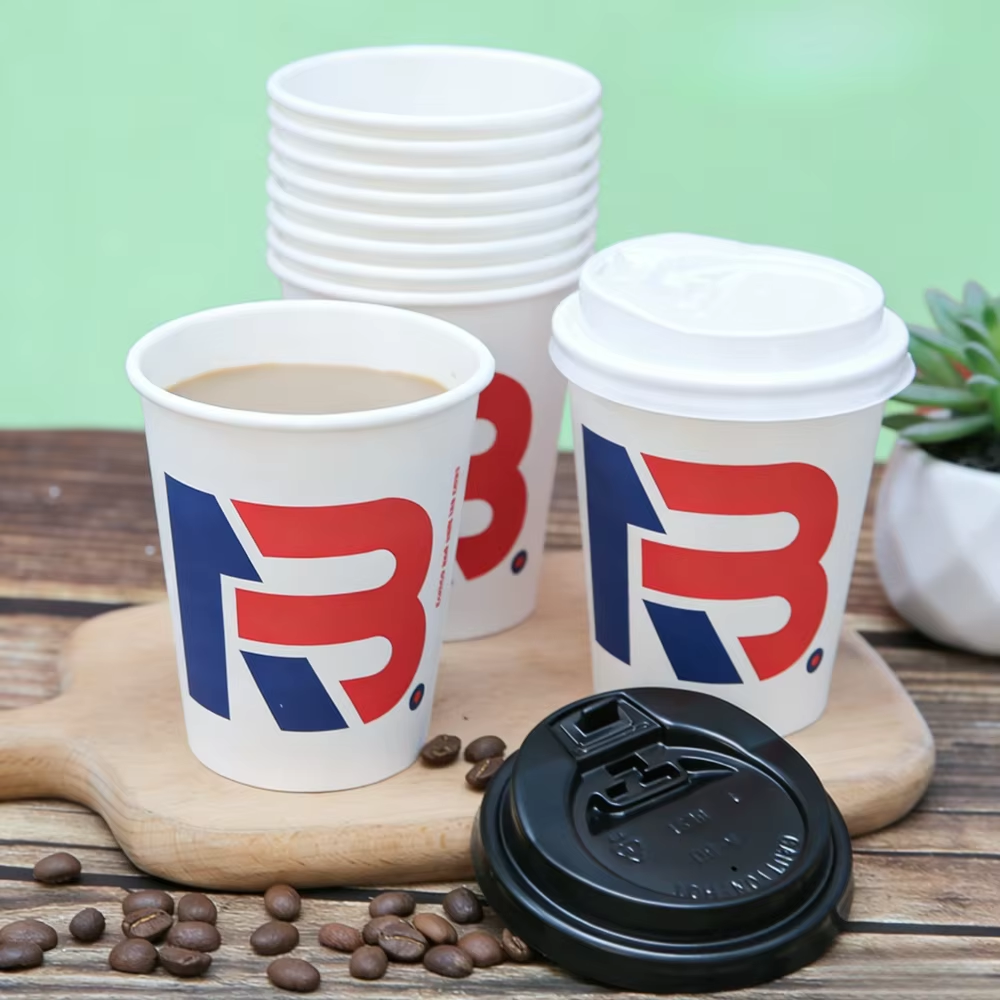
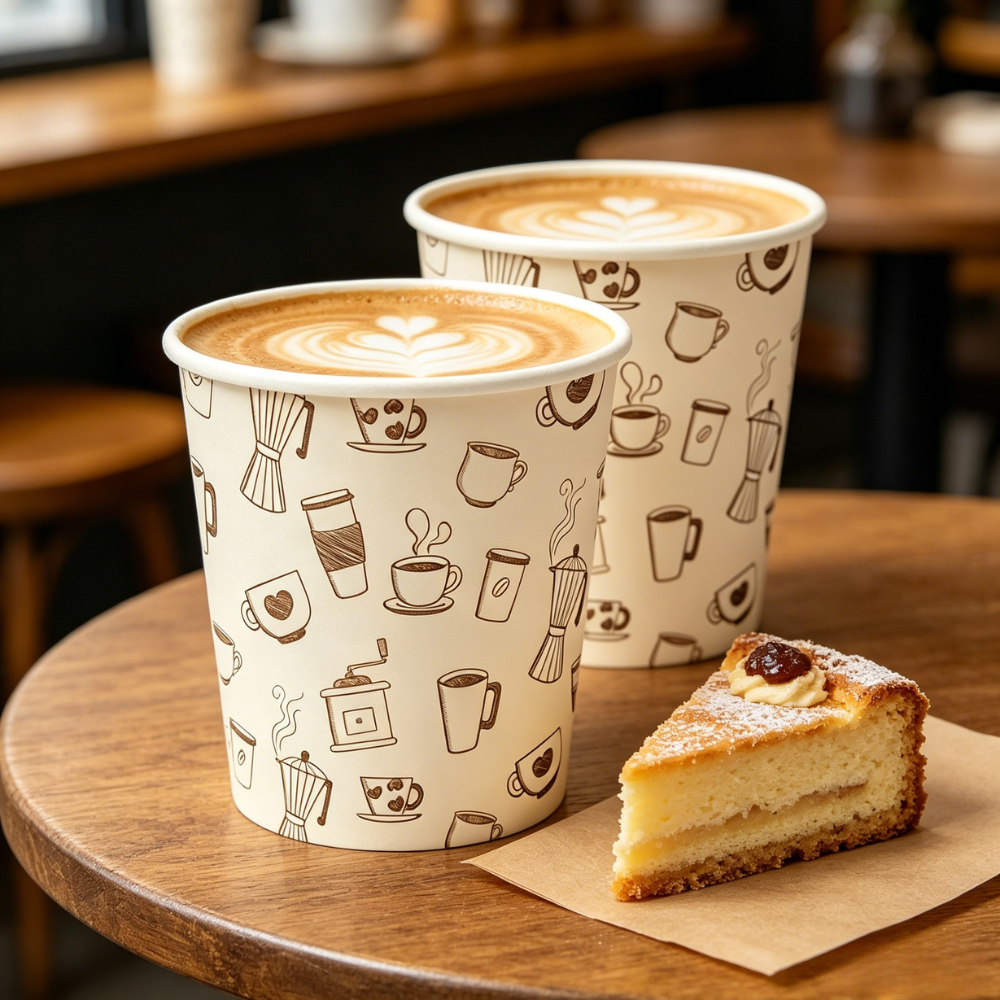
Standard paper cups are typically constructed from a single layer of Solid Bleached Sulfate (SBS) paperboard. This is a high-density, smooth, and relatively thin board. It is highly cost-effective and provides an excellent, flat surface for custom printing. However, its thin nature means it offers minimal thermal resistance.
Conversely, what the industry refers to as cardboard cups (or multi-wall cups) utilize a much thicker, layered construction. The most popular iteration of this is corrugated coffee cups. These premium containers are built using a smooth inner cup, which is then wrapped in an outer layer of fluted, corrugated kraft paper—essentially the same structural geometry found in heavy-duty shipping boxes, scaled down to a micro-level.
This difference in structure fundamentally changes how the cup performs on the cafe floor.
The most immediate difference between standard cups and heavy-duty cardboard cups is how they handle extreme heat.
If your menu relies heavily on boiling water for teas or extra-hot Americanos, standard single-wall cups will instantly become too hot for a customer to hold comfortably. To mitigate this, cafes are forced to purchase and apply separate corrugated cardboard sleeves.
Upgrading to corrugated coffee cups eliminates this requirement entirely. The fluted outer layer creates a series of microscopic air pockets around the beverage. Air is a poor conductor of heat, meaning these pockets act as a highly effective thermal barrier.
Consider this operational cost comparison when deciding between standard bulk paper coffee cups and heavier corrugated alternatives:
| Packaging Strategy | Base Cup Cost | Sleeve Cost | Labor Time to Assemble | Total Thermal Performance |
| Standard Single-Wall Cup | Low | ~0.03−0.03−0.05/ea | 2-3 seconds per drink | Moderate (Heat escapes from top and bottom) |
| Thick Cardboard Cups | Moderate | $0.00 | 0 seconds | Excellent (Full-body insulation) |
By sourcing ripple cups wholesale, businesses can entirely cut the SKU for cardboard sleeves out of their inventory system, recovering thousands of wasted labor hours over the course of a fiscal year.
This is the most critical, yet frequently overlooked, factor for enterprise procurement teams. Thicker materials take up significantly more physical space.
When you place an order for standard bulk paper coffee cups, the thin SBS paperboard allows the cups to nest deeply inside one another. A standard shipping carton can easily hold 1,000 single-wall cups without taking up excessive space on a warehouse pallet.
Because cardboard cups feature thick, textured outer layers, they cannot nest as tightly. A standard carton of corrugated coffee cups typically only holds 500 units, yet the carton itself is often larger than a 1,000-count box of standard cups.
For B2B buyers, this impacts freight costs and storage space. If you are ordering ripple cups wholesale by the shipping container, you will fit significantly fewer total cups into a 40HQ container compared to standard single-wall cups. Buyers must recalculate their reorder points and ensure their retail locations have adequate back-of-house shelving to accommodate the bulkier sleeves of cardboard cups.
In retail, touch is a powerful psychological trigger. The physical sensation of holding a beverage dictates how the consumer perceives the value of your brand.
Standard, smooth paper cups are highly functional and offer a clean, classic aesthetic. They are ideal for fast-casual environments, office breakrooms, or brands that rely on intricate, high-definition graphic printing, as the smooth surface accepts flexographic ink flawlessly.
On the other hand, heavy cardboard cups communicate rustic, artisanal premiumization. The tactile grip of the fluted exterior on corrugated coffee cups feels sturdy and substantial in the hand. This raw, textured aesthetic is incredibly popular among organic bakeries, specialty independent roasters, and brands pushing a strong eco-friendly, natural narrative.
Furthermore, high-end paper cup manufacturing processes now allow suppliers to offer these corrugated outers in various colors—from natural unbleached kraft brown to sleek matte black—allowing brands to align the texture with their specific visual identity.
Choosing between standard packaging and heavy-duty cardboard cups is a balancing act of budget, menu requirements, and logistical capacity.
If your operation primarily serves warm (not boiling) drinks or iced beverages, and you need to maximize your warehouse space, standard single-wall cups remain the most efficient choice. However, if your brand prioritizes premium heat retention, wants to eliminate the operational friction of paper sleeves, and desires a high-end tactile feel, investing in ripple cups wholesale is the clear strategic move.
By analyzing your shipping constraints and understanding the thermal advantages of multi-layered board, B2B buyers can confidently source the exact packaging solution that protects both their bottom line and their customer experience.
Our technical team can clarify how these insights apply to your specific product line and market requirements. Reach out to discuss your needs.

 EN