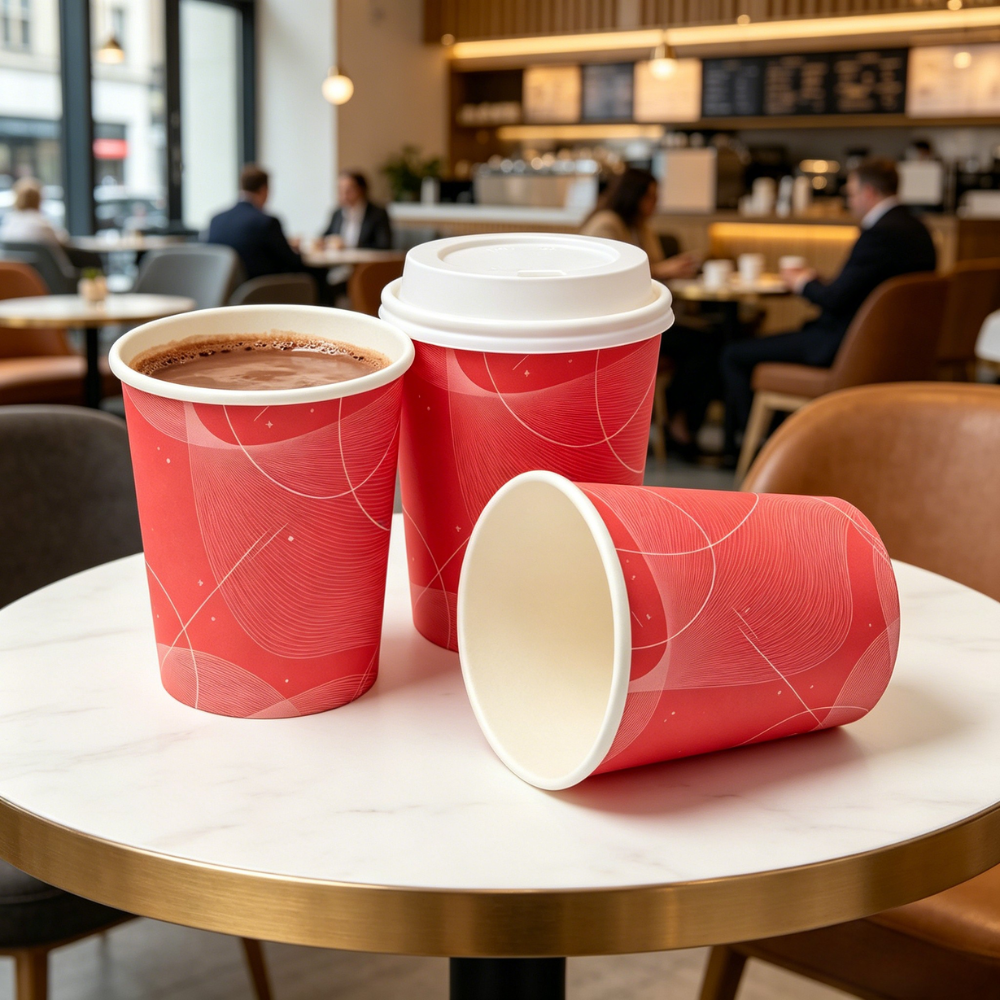
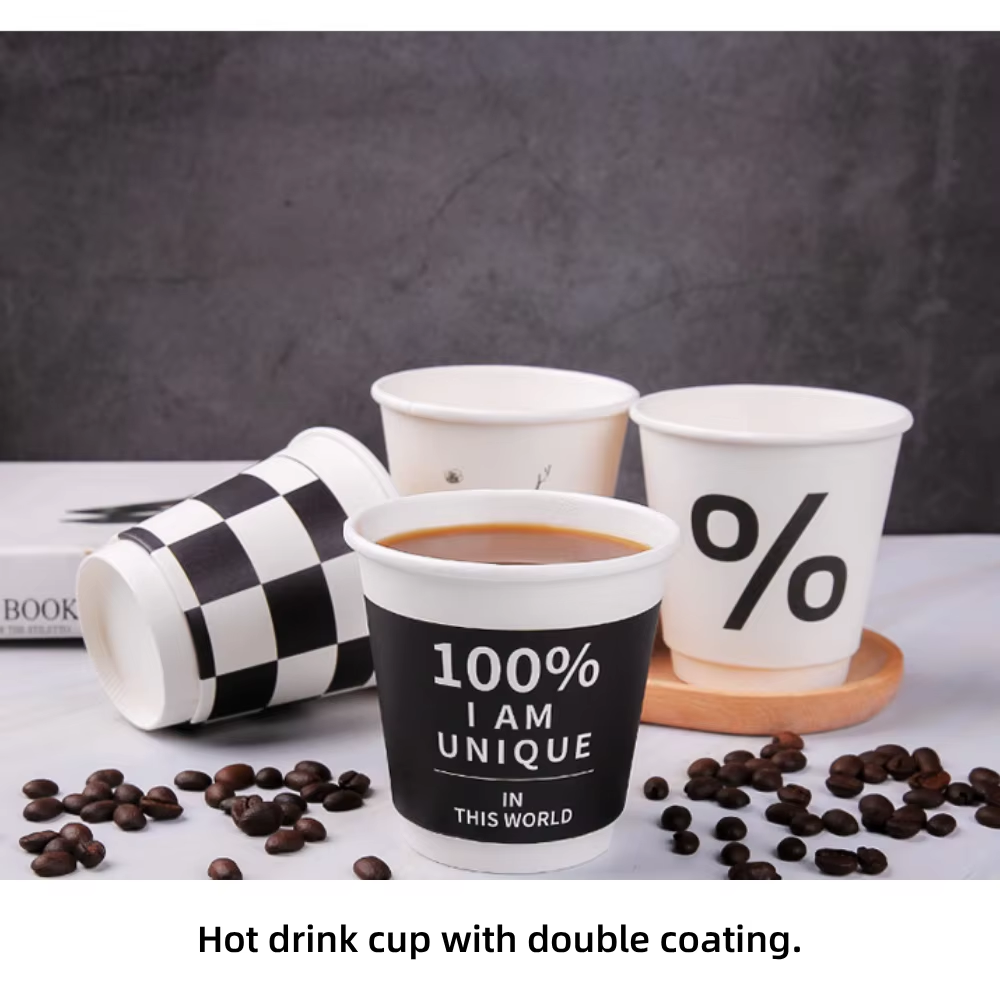
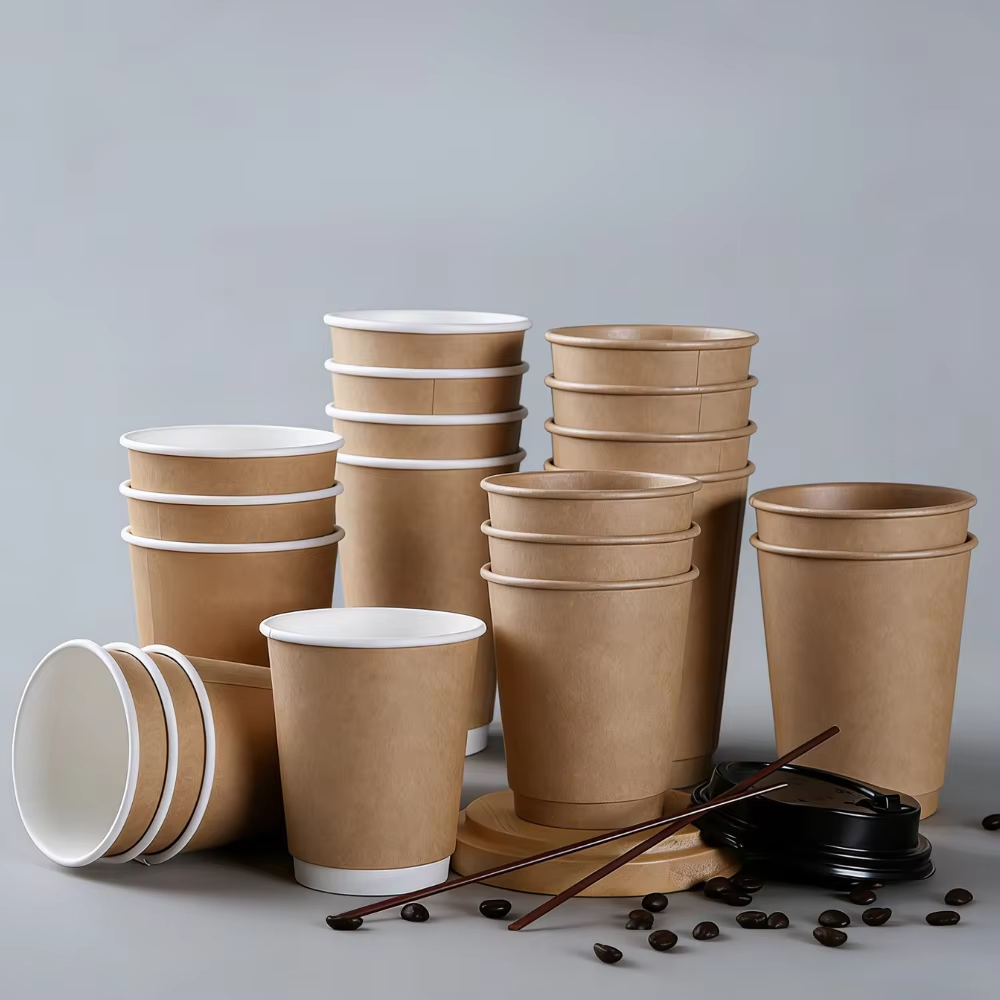
The foodservice landscape is navigating one of the strictest regulatory shifts in modern history. With regional governments enforcing bans on petroleum-based single-use plastics, enterprise procurement teams are under immense pressure to transition to sustainable paper packaging. Consequently, the demand for compostable paper cups has skyrocketed.
However, replacing a traditional plastic-lined cup with a compostable alternative isn’t a simple one-to-one swap. From a manufacturing standpoint, compostable materials behave entirely differently under thermal stress and prolonged storage. When enterprise buyers rush to order paper cups bulk without understanding these chemical distinctions, they risk widespread product failure, leaked beverages, and alienated customers.
For procurement managers in the hospitality, airline, and catering sectors, here is an essential technical guide on what must be verified before signing a purchase order for compostable paper cups.
To hold liquid securely, raw paperboard must be coated. Historically, polyethylene (PE) was the undisputed standard. To create genuine compostable paper cups, factories must replace PE with a plant-based or water-based barrier.
The most widely adopted solution is the pla paper cup. PLA (Polylactic Acid) is a highly effective bioplastic derived from renewable resources, usually corn starch or sugarcane. Under the high heat and humidity of industrial composting conditions, microorganisms break the PLA down into harmless water and carbon dioxide.
Recently, advanced packaging factories have introduced aqueous (water-based) coatings. Instead of a solid film lining, an aqueous coating is painted onto the board, absorbing directly into the paper fibers. This represents the cutting edge of sustainable paper packaging, as these specific cups can often be processed in standard municipal paper recycling streams alongside standard cardboard, bypassing the need for specialized commercial composters.
The most frequent operational failure occurs when buyers assume all eco-friendly materials can handle boiling liquids. They absolutely cannot.
Standard PLA has a relatively low melting point. If a barista pours a 200°F (93°C) Americano or boiling tea into a basic pla paper cup designed for cold drinks, the lining will immediately begin to soften, warp, and eventually compromise the structural integrity of the bottom seam. For hot beverage programs, buyers must specifically source engineered compostable hot cups.
To safely serve hot drinks, manufacturers utilize a crystallized version of PLA (CPLA) or high-heat aqueous coatings. Here is a baseline comparison to guide foodservice buyers:
| Lining Material | Heat Resistance Limit | Best Foodservice Application | End-of-Life Disposal |
| Standard PLA | Up to 105°F (40°C) | Cold brew, iced lattes, smoothies | Commercial Compost |
| Crystallized PLA (CPLA) | Up to 200°F (93°C) | Compostable hot cups for drip coffee | Commercial Compost |
| Aqueous Coating | Up to 212°F (100°C) | Boiling teas, premium hot beverages | Recyclable / Compostable |
| Traditional PE | Up to 212°F (100°C) | Conventional hot drinks (Phasing out) | Landfill |
Always request thermal testing data from the factory before ordering compostable paper cups for a high-volume hot drink menu.
Here is a critical supply chain reality that many buyers overlook: compostable paper cups are literally engineered to break down.
Unlike petroleum-based plastic linings that will sit on a warehouse rack indefinitely without degrading, a pla paper cup has a definitive shelf life. If enterprise buyers order paper cups bulk to secure a lower unit price, they must rigorously manage their warehouse conditions.
If compostable paper cups are stored in a hot, humid environment—such as an un-air-conditioned shipping container in the summer or a damp basement—for more than 12 to 18 months, the PLA lining can begin to prematurely degrade. The material becomes brittle, leading to microscopic cracking and a high defect rate once it reaches the cafe floor. When managing sustainable paper packaging inventory, procurement teams should shift toward a staggered delivery schedule, ensuring complete turnover of their compostable paper cups every 6 to 9 months.
In the packaging industry, the term "biodegradable" is largely unregulated and often used as a vague marketing gimmick. "Compostable," however, is a strictly regulated scientific term with measurable metrics.
To ensure your compostable hot cups actually meet corporate ESG requirements and local environmental legislation, the manufacturer must hold valid, third-party certifications. When vetting a supplier, buyers must request to see their BPI (Biodegradable Products Institute) certification for the North American market, or EN 13432 certification for the European market.
These legal documents prove that the compostable paper cups will fully disintegrate within a specific timeframe (usually 90 to 180 days) in a commercial facility without leaving heavy metals or toxic residue in the soil. Without these certifications, you cannot legally market the cups to your consumers as compostable.
Transitioning a brand’s supply chain to sustainable paper packaging is a powerful marketing asset and a vital step for future-proofing operations against impending plastic bans. However, it requires a highly technical approach to procurement.
Before executing a purchase order for paper cups bulk, ensure you have verified the specific lining material, matched the thermal tolerance to your menu items, optimized the storage conditions of your distribution centers, and secured the proper environmental certifications. By treating compostable paper cups as highly engineered products rather than generic commodities, foodservice operators can deliver a seamless, eco-friendly beverage experience that protects both the consumer and the environment.
Our technical team can clarify how these insights apply to your specific product line and market requirements. Reach out to discuss your needs.

 EN