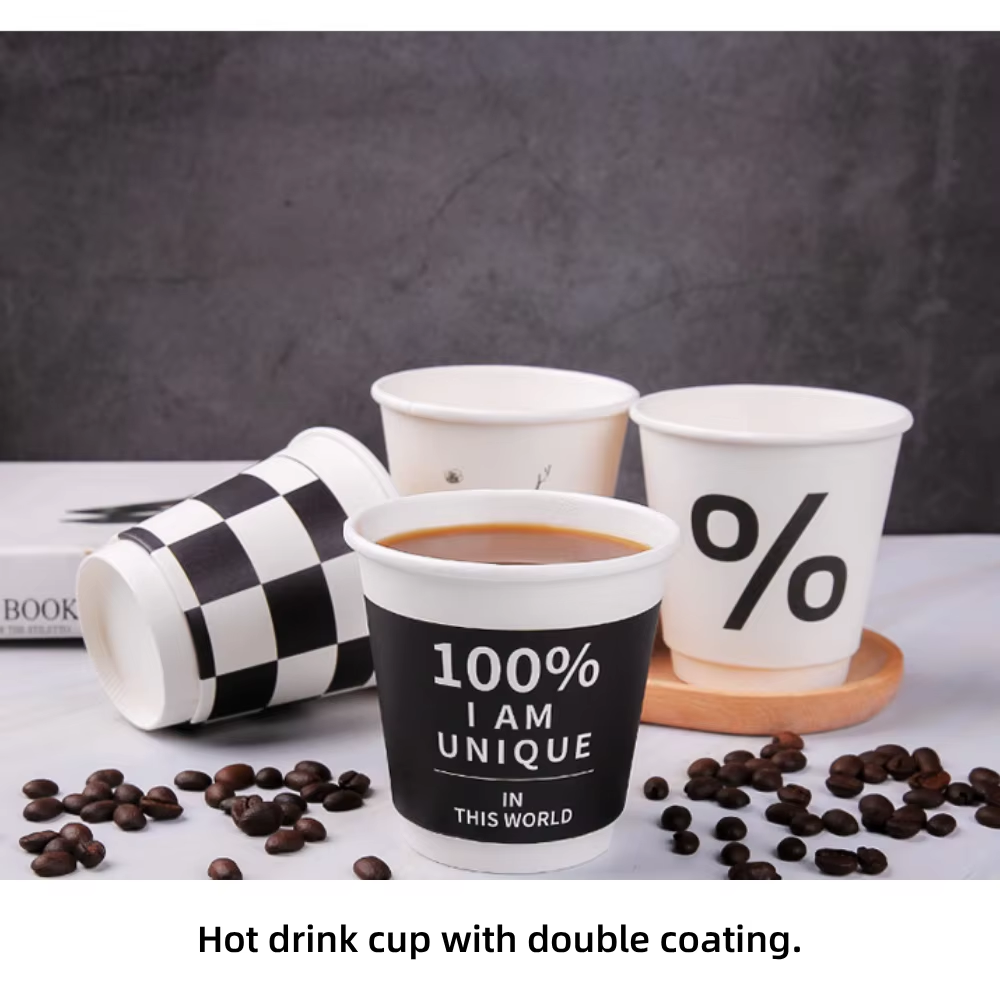
When beverage chains and foodservice distributors plan their packaging inventory, the spotlight usually hits the massive 16oz or 22oz custom printed cups. They are the mobile billboards. But in my experience dealing with packaging procurement, it’s actually the small paper cups that cause the most unexpected headaches for buyers.
Whether they are used for a quick double espresso, supermarket food sampling, or serving hot sauces, small paper cups endure unique manufacturing challenges. Because of their tight circumference, the paperboard has to bend sharply. If the base paper is cheap or the coating is inconsistent, the bottom seal will leak, or the rim will split.
If you are buying small paper cups in bulk, here is a practical buyer’s guide covering how to select the right sizes, navigate material options, and avoid common custom printing traps.
In the paper packaging industry, "small" generally refers to capacities ranging from 4 ounces to 8 ounces. You might think a cup is just a cup, but in the B2B world, every ounce dictates a specific end-use.
Here is a quick breakdown of how these small paper cups are typically utilized in the market:
| Size (oz / ml) | Primary Foodservice Application | Procurement Notes |
| 4 oz (approx. 120ml) | Espresso shots, event tasting, supermarket food sampling, hot sauces. | High demand for 4oz paper cups in coffee chains. Rim quality is critical because consumers drink directly from them. |
| 6 oz (approx. 180ml) | Flat whites, macchiatos, office water coolers, dental clinics. | Often serves as a bridge size. Great for hospitality settings and hotel room refreshment stations. |
| 8 oz (approx. 240ml) | Standard small coffee, hot chocolate, kids' beverages. | The starting size for standard takeaway menus. Must be compatible with standard 80mm sip lids. |
When procuring small paper cups, one thing buyers constantly overlook is dispenser compatibility. A 4oz cup from Supplier A might have a top diameter of 60mm, while Supplier B's is 62mm. If your client uses specific metal wall dispensers, that 2mm difference means the cups will either jam or fall straight through. Always request physical samples of small paper cups to test in actual store conditions.
Let's be honest: finding reliable disposable espresso cups with lids is surprisingly frustrating.
For 12oz or 16oz cups, lid matching is highly standardized. But with small paper cups, the margin for error is incredibly thin. Because the cup opening is so narrow, the lid must grip the rolled rim perfectly. If the rim curl is even slightly deformed during manufacturing—which happens often if the paperboard lacks proper stiffness—the lid will pop off when a customer holds the cup.
If you are sourcing disposable espresso cups with lids for a takeaway coffee brand, do not buy the cups and lids from two different factories just to save a fraction of a cent. Buy them as a matched system. At APP, we produce and test both the cup forming and lid fitting in-house, ensuring the dimensional tolerance is locked in before bulk packing.
A finished cup is only as good as the raw materials used to make it. Because small paper cups have a very tight radius, the paperboard is under high tension.
For the vast majority of hot drink applications, polyethylene (PE) remains the standard. However, the quality of the pe coated cup paper is what separates a good supplier from a bad one. If the PE layer is applied unevenly at the mill, the side seam of the cup will fail when exposed to hot espresso.
Because our integrated supply chain covers everything from sustainable forestry to pulp, paper making, and final coating, we can guarantee that the pe coated cup paper used in our cups has the exact moisture content and stiffness required for tight-radius cup forming.
Sustainability is no longer just a marketing buzzword; in regions like Europe and parts of North America, it is a regulatory requirement. For brands looking to transition away from traditional plastics, compostable paper cups lined with PLA (Polylactic Acid) or water-based barrier coatings are becoming the norm.
When sourcing small compostable paper cups, verify the certifications (like EN 13432 or BPI). Keep in mind that PLA behaves slightly differently than PE under extreme heat, so working with an experienced manufacturer ensures the bottom knurling (the seal at the base) is calibrated correctly.
Customizing small paper cups is a fantastic way to elevate a brand, but it requires a different design approach than printing on a large bucket.
Here is what I always tell our B2B clients:
To put this into perspective, we recently worked with a European coffee roaster who supplied wholesale coffee beans and packaging to independent cafes. They were buying 4oz small paper cups from a local trader, but cafe owners were complaining that the bottoms were occasionally leaking after sitting with hot espresso for more than five minutes.
We ran a lab analysis on their existing cups and found the problem immediately. The previous factory was using a lightweight board meant for cold water cups, and the PE coating weight was too low for boiling temperatures.
We transitioned them to our proprietary food-grade board with an optimized PE coating designed specifically for hot liquids. We also tightened the bottom knurling pressure on our forming machines. The result? The leakage rate dropped to zero. For a B2B distributor, eliminating those customer complaints easily justified the switch, proving that the cheapest unit price is rarely the most cost-effective choice in the long run.
Sourcing small paper cups requires just as much technical scrutiny as buying large food containers. Pay attention to the stiffness of the paperboard, insist on testing the lid fit, and ensure the factory has upstream control over the raw materials.
Whether you need plain white small paper cups for wholesale distribution or fully customized, compostable options for a boutique cafe chain, treating these small items with high priority will protect your brand's reputation—one little cup at a time.
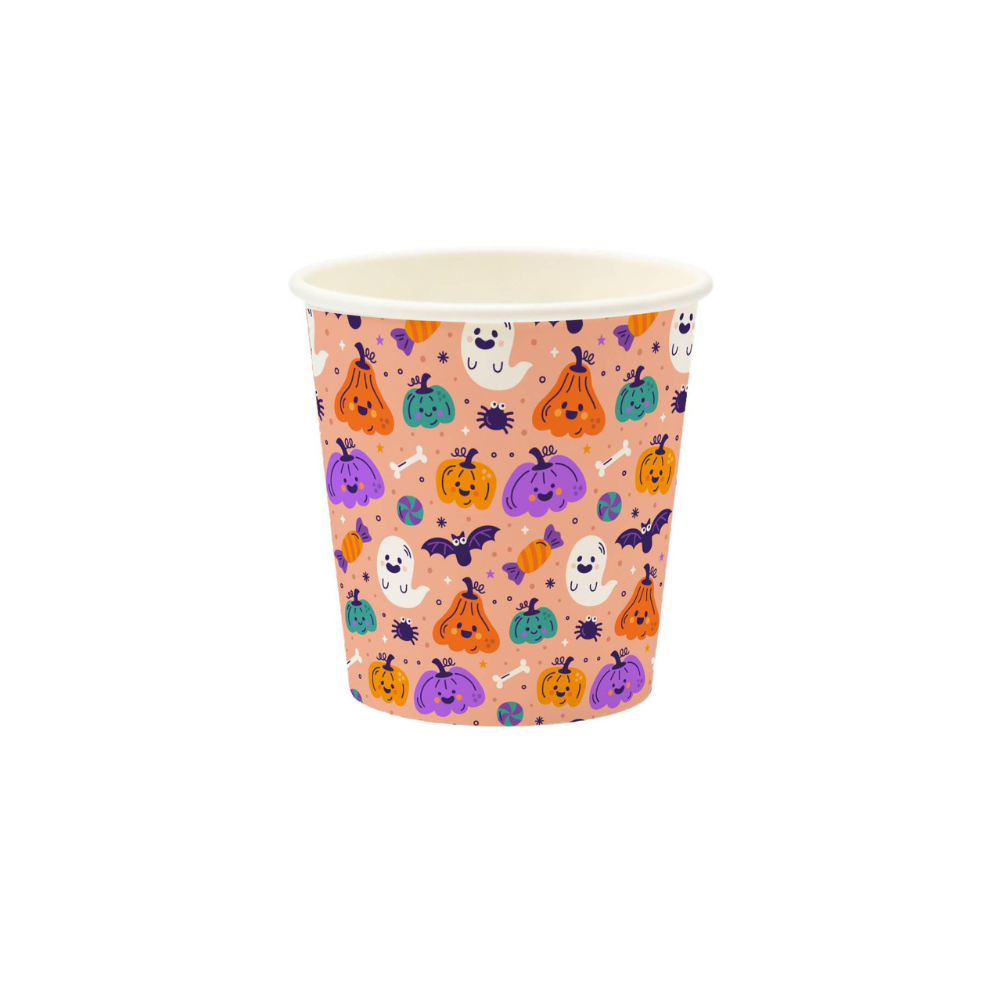
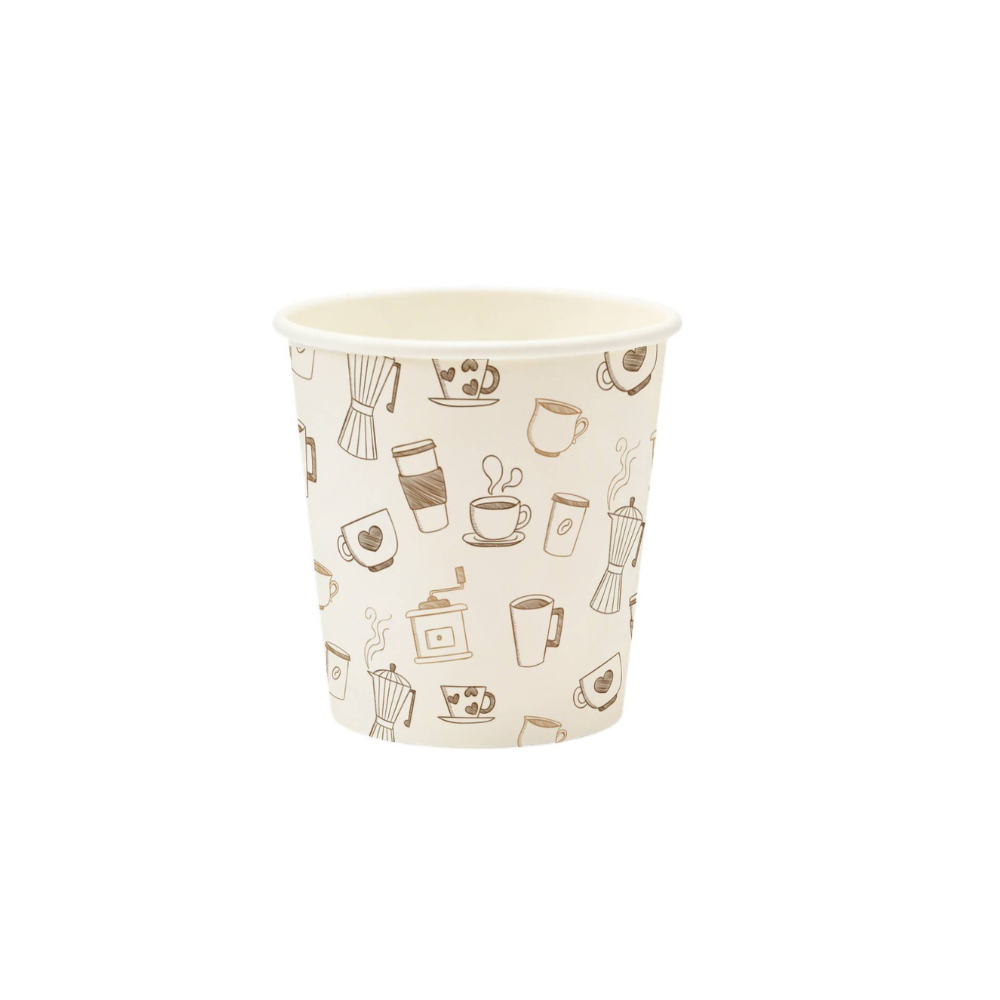
Our technical team can clarify how these insights apply to your specific product line and market requirements. Reach out to discuss your needs.

 EN