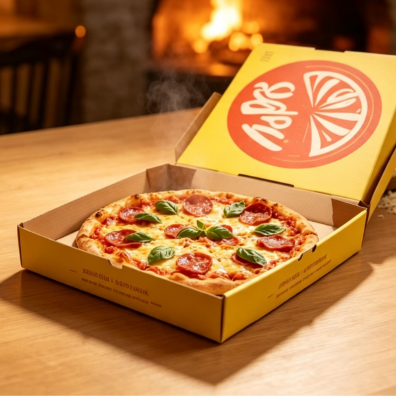
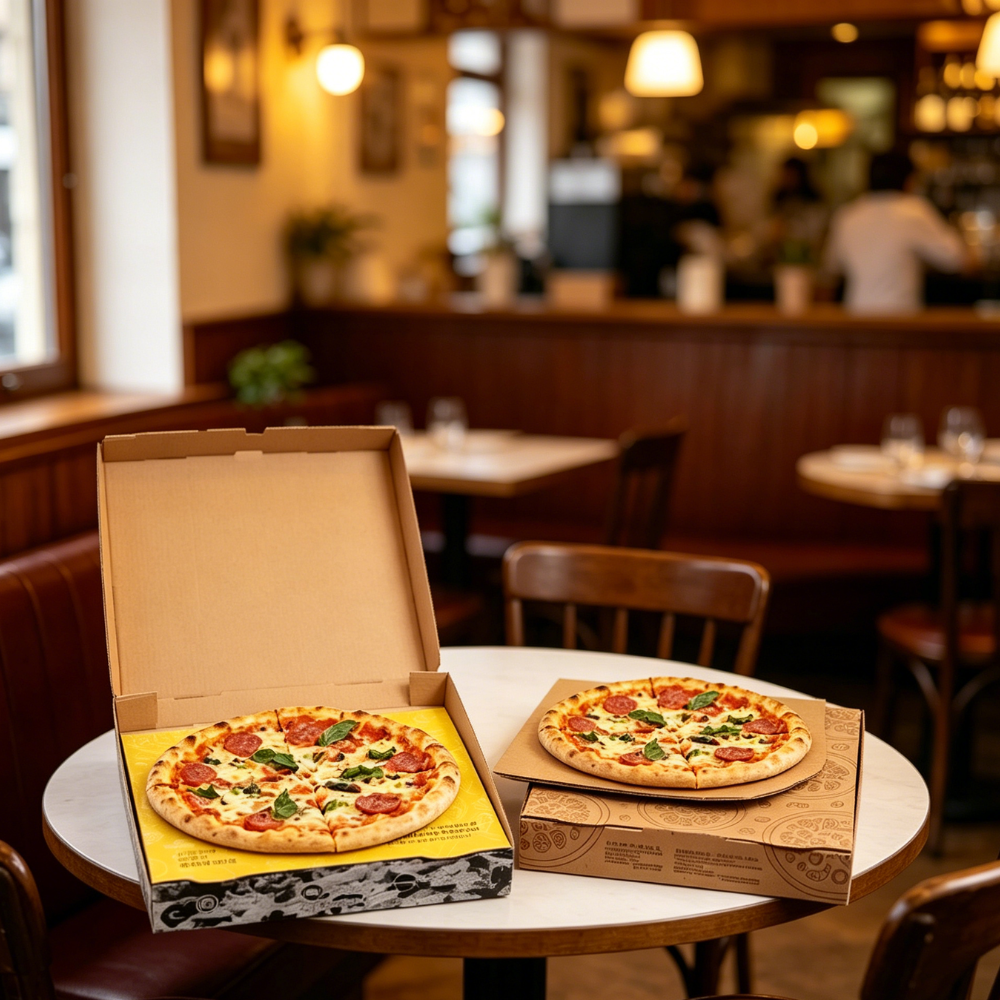
In an increasingly saturated food delivery market, the unboxing experience has become a critical extension of a restaurant’s dining room. When a customer orders a premium, artisan wood-fired pizza, delivering it in a generic, flimsy brown container severely undercuts the perceived value of the meal. To disrupt the visual monotony of standard packaging, progressive hospitality groups and high-end ghost kitchens are rapidly adopting the pizza box black aesthetic.
However, from a B2B procurement standpoint, sourcing dark packaging is far more complex than buying standard kraft or white board. Black paperboard introduces unique manufacturing challenges, from ink rub-off and grease visibility to structural integrity.
As a packaging manufacturer deeply integrated into the global paper supply chain, we help enterprise restaurant brands navigate these technical hurdles. If you are looking to elevate your brand packaging, here is an objective guide to selecting materials, optimizing print designs, and ensuring food safety when buying a black pizza box at scale.
Why are so many gourmet brands shifting to dark packaging? In retail and food marketing, black inherently communicates luxury, exclusivity, and high quality. It creates a stark, dramatic backdrop that makes the vibrant colors of the food—the bright red of tomato sauce, the fresh green of basil, and the golden crust—visually pop when the lid is opened.
Furthermore, high-end takeaway pizza boxes are highly photogenic. In the era of social media marketing, a sleek, minimalist dark container encourages customers to photograph and share their unboxing experience, turning a simple delivery vessel into a powerful organic marketing tool.
The most critical decision a procurement manager must make when sourcing a pizza box black design is how the color is actually applied to the paper. There are two primary manufacturing methods, and choosing the wrong one can lead to disastrous customer experiences.
Many low-cost converters achieve a dark finish by taking standard white corrugated pizza boxes and heavily "flooding" the outer liner with black ink. While cheap, this method is deeply flawed for hot food. The heavy ink layer can crack along the fold lines, revealing the white paper underneath. Worse, if the box is exposed to moisture or steam during delivery, the ink can rub off onto the delivery driver’s hands or the customer's countertop.
For enterprise brands, the only acceptable method is using beater-dyed paperboard. In this process, the black dye is mixed directly into the wood pulp at the paper mill before the paper is even formed.
| Feature | Surface Flood Printed | Beater-Dyed Pulp |
| Color Depth | Often looks glossy or grayish | Deep, rich, and consistent matte finish |
| Fold Lines | Prone to cracking and showing white fibers | Color remains uniform through the fold |
| Ink Rub-Off Risk | High (especially in humid environments) | Zero (the paper itself is colored) |
| Cost | Lower upfront cost | Higher material cost, but premium ROI |
When requesting a pizza box black finish from your supplier, explicitly ask for beater-dyed kraft liner. This ensures a luxurious, scratch-resistant matte finish that performs flawlessly under the physical stress of food delivery.
Standard CMYK printing works beautifully on a white background, but it struggles on dark surfaces. If you attempt to print standard colors directly onto a black pizza box, the dark background will absorb the light, making the logo look muddy and illegible.
To maximize the impact of custom printed pizza boxes on a dark substrate, brands must utilize specialized flexographic or offset printing techniques:
Partnering with an integrated supplier that operates advanced, high-definition printing machinery is essential to executing these techniques flawlessly on custom printed pizza boxes.
One often-overlooked challenge with a pizza box black container is how it displays grease. While brown kraft paper tends to absorb and hide minor oil spots, a matte dark surface will immediately show grease as a highly visible, shiny wet stain. If heavy cheese oils soak through the board, the luxurious aesthetic is instantly ruined.
To prevent this, procurement teams must ensure their takeaway pizza boxes are equipped with advanced barrier coatings. It is crucial to verify that your supplier uses FDA and EU ISEGA-compliant, PFAS-free aqueous coatings. This water-based barrier is applied to the inside of the box, blocking aggressive lipids and moisture without relying on banned "forever chemicals."
Transitioning a restaurant chain’s packaging to premium corrugated pizza boxes is a major logistical undertaking. Relying on fragmented suppliers who outsource their board coloring and printing introduces extreme risks regarding color consistency and food safety.
By working directly with a fully integrated manufacturer, buyers eliminate these variables. We manage the sustainable forestry, produce the virgin pulp, execute the beater-dyeing process, and perform high-precision flexographic printing in a single, closed-loop supply chain.
When you order custom printed pizza boxes through an integrated system, you guarantee that the structural strength (ECT rating), the food-safe barriers, and the visual branding are perfectly uniform across every single pallet. Ultimately, investing in a high-quality black pizza box is not just a packaging expense; it is a strategic branding maneuver that elevates the culinary experience, justifies premium menu pricing, and sets your restaurant apart in a fiercely competitive market.
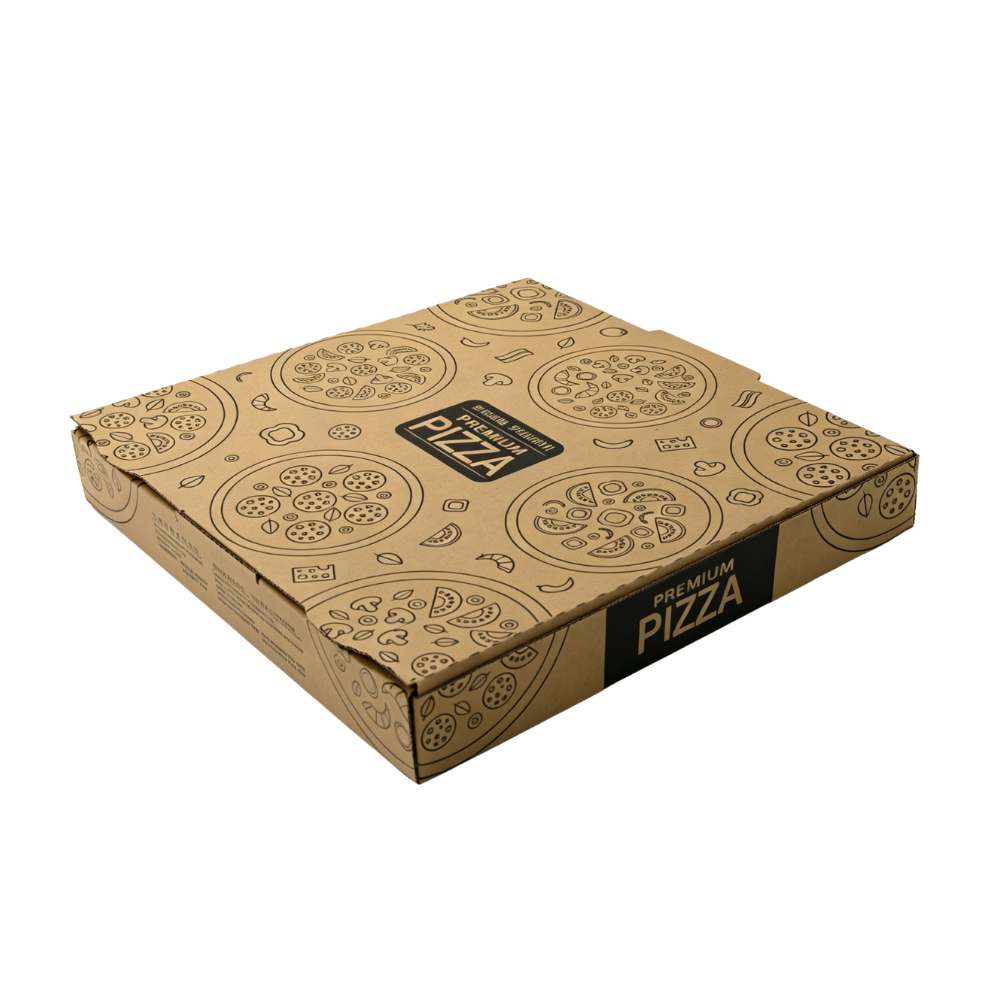
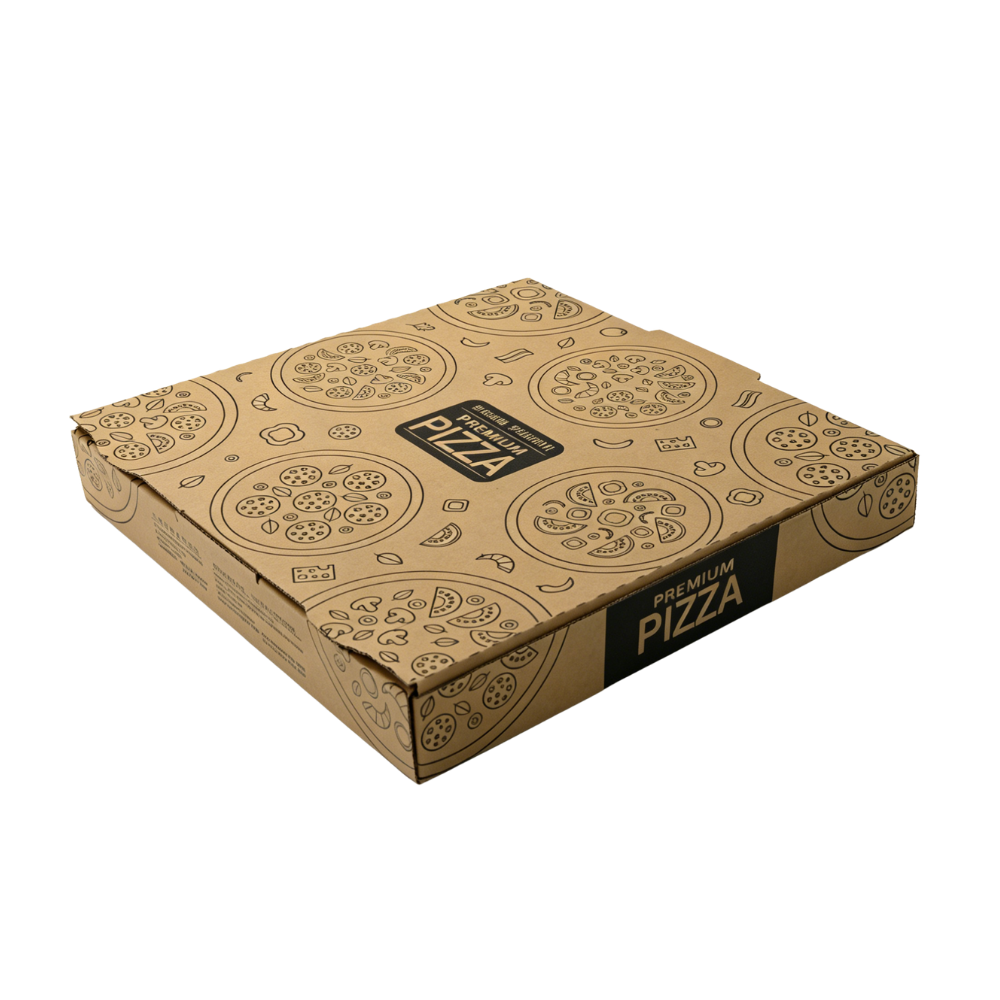
Our technical team can clarify how these insights apply to your specific product line and market requirements. Reach out to discuss your needs.

 EN