The sandwich is the undisputed champion of the grab-and-go foodservice industry. From bustling airport kiosks to artisan bakeries and corporate boardrooms, it remains the ultimate convenience food. However, the journey from the prep kitchen to the customer’s hands is fraught with challenges. Bread can dry out, lettuce can wilt, and sauces can leak, turning a gourmet meal into an unappetizing mess.
To prevent this, procurement teams are rapidly shifting away from cheap plastic clamshells and flimsy wraps. Today, the engineered sandwich box container is the industry standard. But sourcing the right packaging isn't a one-size-fits-all endeavor. An artisan cafe has entirely different packaging needs than a high-volume convenience store or a B2B catering company.
As a primary manufacturer integrated into a global paper supply chain, we help diverse food brands optimize their packaging daily. Here is an objective, supplier-side guide to selecting the right sandwich box container, focusing on window design, material performance, and preserving culinary freshness.
For convenience stores, supermarkets, and grab-and-go cafes, the packaging serves as the primary marketing tool. When a customer stands in front of a refrigerated display case, they "eat with their eyes." If they cannot see the vibrant layers of turkey, cheese, and fresh greens, they are less likely to buy.
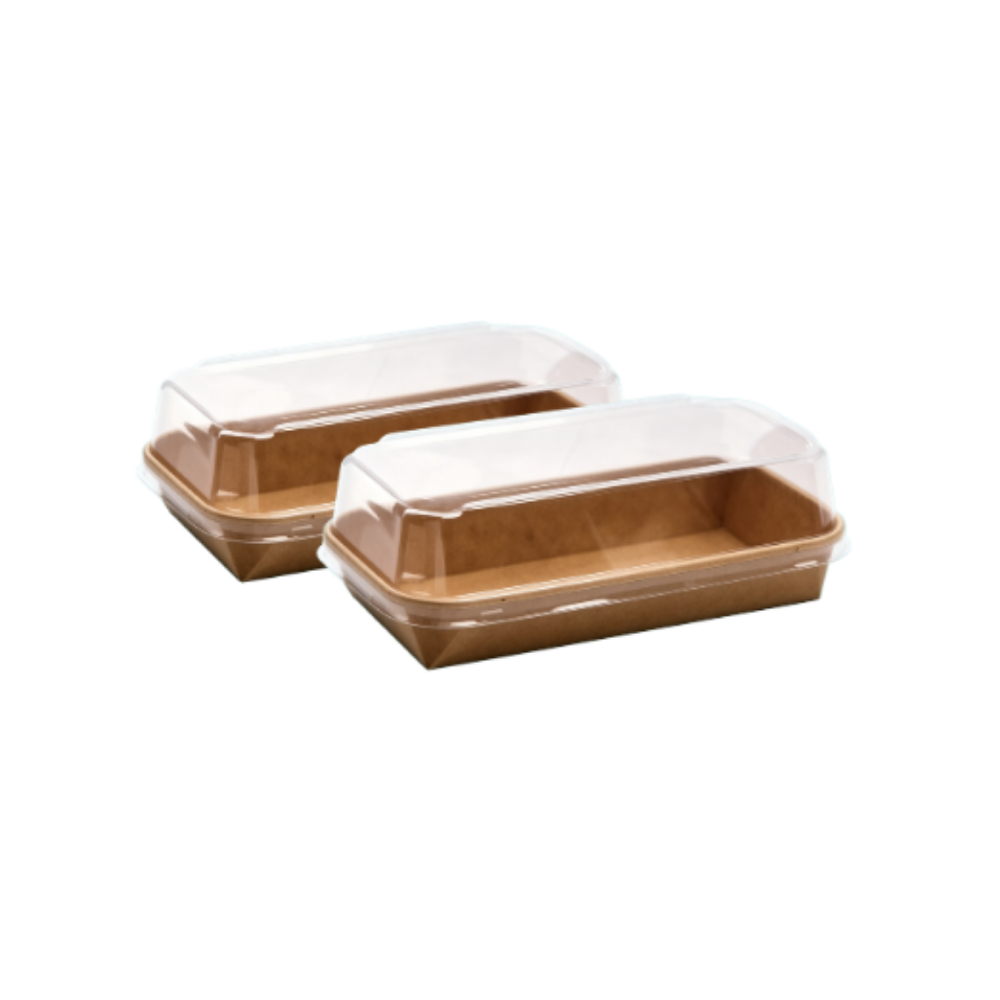
This is why a sandwich box container with a transparent viewing window is critical for retail. However, a poorly executed window can actually hurt sales. If you put a freshly made, slightly warm sandwich into a refrigerated case, standard plastic windows will immediately fog up. Condensation makes the food look soggy and visually unappealing.
When sourcing a paper takeaway box with a window, buyers must specify the correct film material:
| Window Film Type | Fog Resistance | Environmental Profile | Best Application |
| Standard PET | Low (Prone to heavy fogging) | Traditional plastic | Dry baked goods, room temp display |
| Anti-Fog PET | High (Chemically treated) | Traditional plastic | Supermarket cold cases (Cost-effective) |
| Cellulose / PLA | Excellent (Naturally breathable) | Compostable / Plant-based | Premium artisan cafes, organic brands |
For high-end retail, we highly recommend utilizing cellulose or PLA (Polylactic Acid) windows. Not only do they offer superior anti-fog properties by allowing a microscopic amount of moisture to escape, but they also align perfectly with the demand for sustainable paper packaging. The consumer sees a crisp, clear view of the fresh ingredients, accelerating the impulse-buy decision.
While retail focuses on visibility, corporate caterers and food delivery networks prioritize structural strength. When a caterer is preparing lunch for a 500-person corporate event, they are not displaying the sandwiches on a shelf; they are stacking them in large transport bags or crates.
If a supplier uses low-caliper (thin) paperboard, the bottom layer of the lunch box packaging will buckle under the weight of the boxes above it, crushing the bread.
To ensure structural integrity, B2B buyers must evaluate the specific grade of paperboard food packaging.
By selecting high-density paperboard food packaging, caterers ensure their product arrives at the boardroom table looking exactly as it did when it left the cutting board.
A sandwich is structurally complex; it combines dry elements (bread) with high-moisture elements (tomatoes, pickles) and high-fat elements (mayonnaise, cured meats). The primary job of a sandwich box container is to manage this internal environment.
If the paperboard is uncoated, the moisture from the vegetables and the grease from the sauces will quickly soak into the walls of the box. This compromises the packaging's strength and leaves unsightly grease spots that ruin the brand presentation.
Modern food safety and performance require advanced barrier coatings. In the past, the industry relied heavily on polyethylene (PE) plastic linings or PFAS chemicals to block grease. Today, as environmental regulations tighten across Europe and North America, buyers are demanding cleaner alternatives.
When sourcing lunch box packaging, look for manufacturers that apply advanced aqueous (water-based) barrier coatings. These coatings provide excellent resistance against mayonnaise and olive oil while ensuring the sandwich box container remains recyclable or compostable. This keeps the bread dry, the ingredients fresh, and the packaging compliant with global food safety standards.
The transition from plastic containers to a paper-based sandwich box container is a massive operational shift for any food brand. To execute this smoothly on a regional or global scale, enterprise buyers need more than just a vendor; they need an integrated manufacturing partner.
Relying on fragmented supply chains often introduces risk. If your box supplier buys their paperboard from one mill, their window film from a third party, and outsources the printing, maintaining batch-to-batch consistency becomes nearly impossible.
By working with a fully integrated manufacturer—where sustainable forestry, virgin pulp production, and precision converting are housed under one continuous system—buyers mitigate these risks.
Ultimately, a well-designed sandwich box container does much more than hold a meal. By strategically selecting the right anti-fog windows for retail, the correct board strength for catering, and PFAS-free barriers for freshness, procurement teams can source packaging that actively enhances food quality, elevates brand perception, and drives sales.
Our technical team can clarify how these insights apply to your specific product line and market requirements. Reach out to discuss your needs.

 EN