Paper Milkshake Cups | Cold Drink Packaging & Lid Options

Get a Free Quote

Our representative will contact you soon.
Name
Company Name
Email
Mobile
What are you looking for
Message/Project Details
0/1000
Paper Milkshake Cups for Blended Drinks and Dessert Takeaway

Paper Milkshake Cups for Blended Drinks and Dessert Takeaway

Choose paper milkshake cups around the texture, portion size, and presentation of your cold drink menu. From classic vanilla shakes to fruit blends and topped dessert drinks, the right container needs room for the recipe and a practical way to enjoy it. Milkshake paper cups use a paperboard body with a liquid-resistant barrier; suitability for chilled dairy drinks and exterior condensation depends on the finished construction. Compare cup profiles, lid openings, and straw access before selecting a format. For takeaway counters, disposable milkshake cups should also be checked with the intended carrier and delivery routine. Confirm available specifications and samples rather than assuming every paper cold cup performs the same way.
Get A Quote

Practical Advantages of Paper Milkshake Cups

Match the container to your recipe, topping style, and customer handling needs.

Defined Serving Portions

Paper milkshake cups can support consistent servings when paired with a measured recipe and agreed fill level. This helps staff leave suitable space for toppings instead of estimating each order.

Space for Menu Artwork

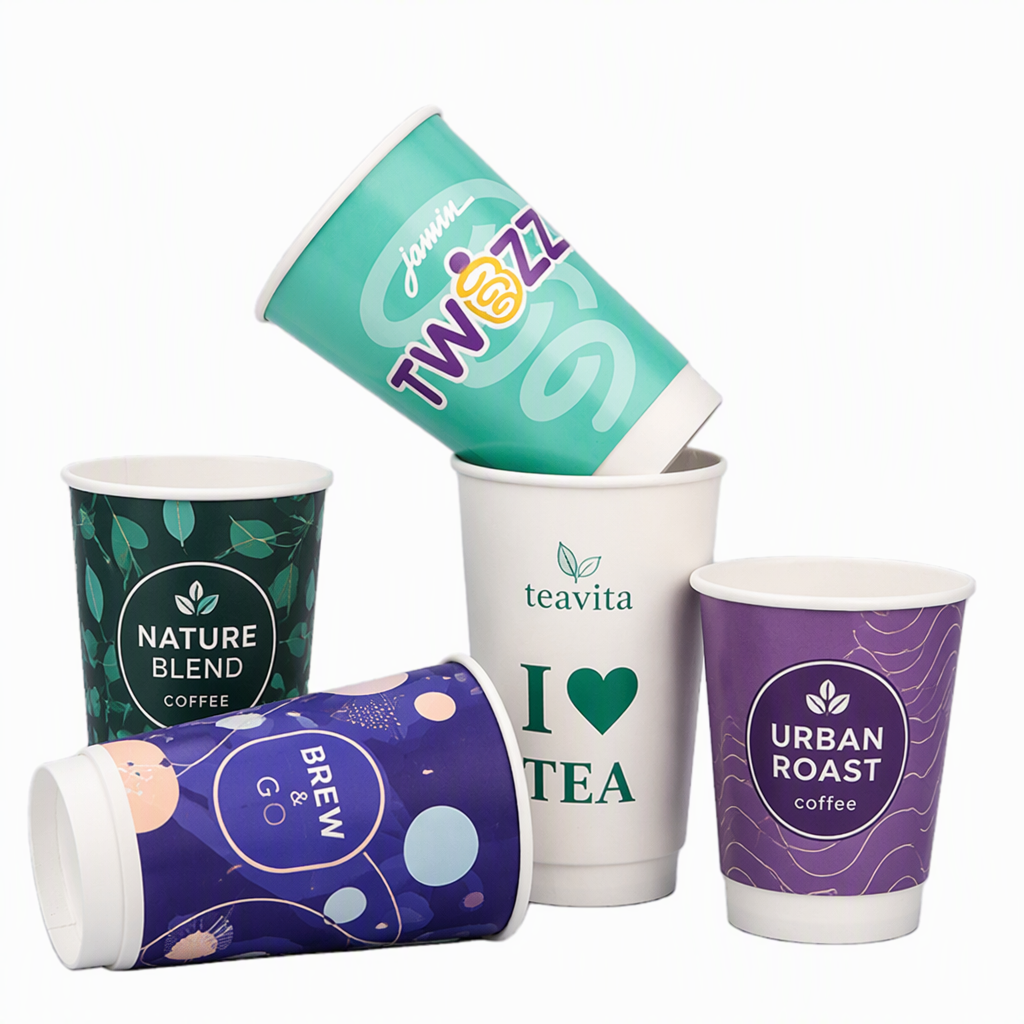
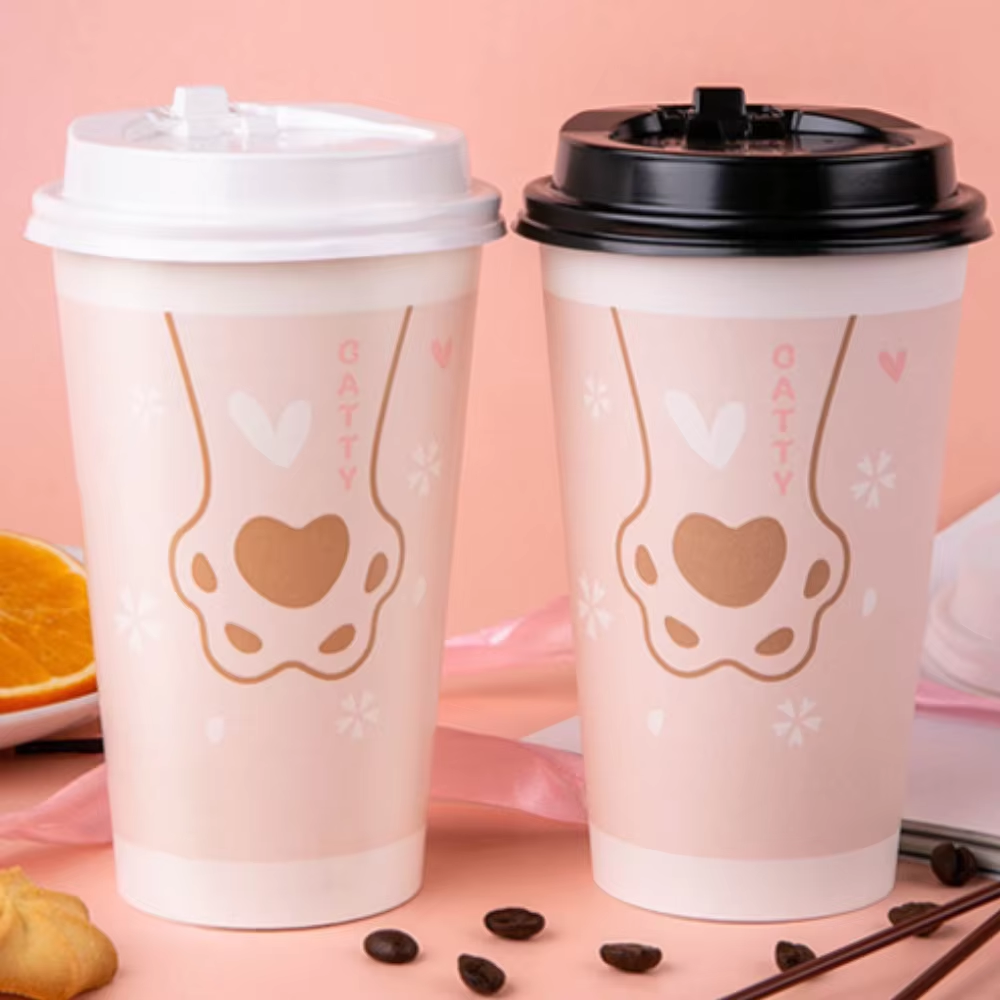
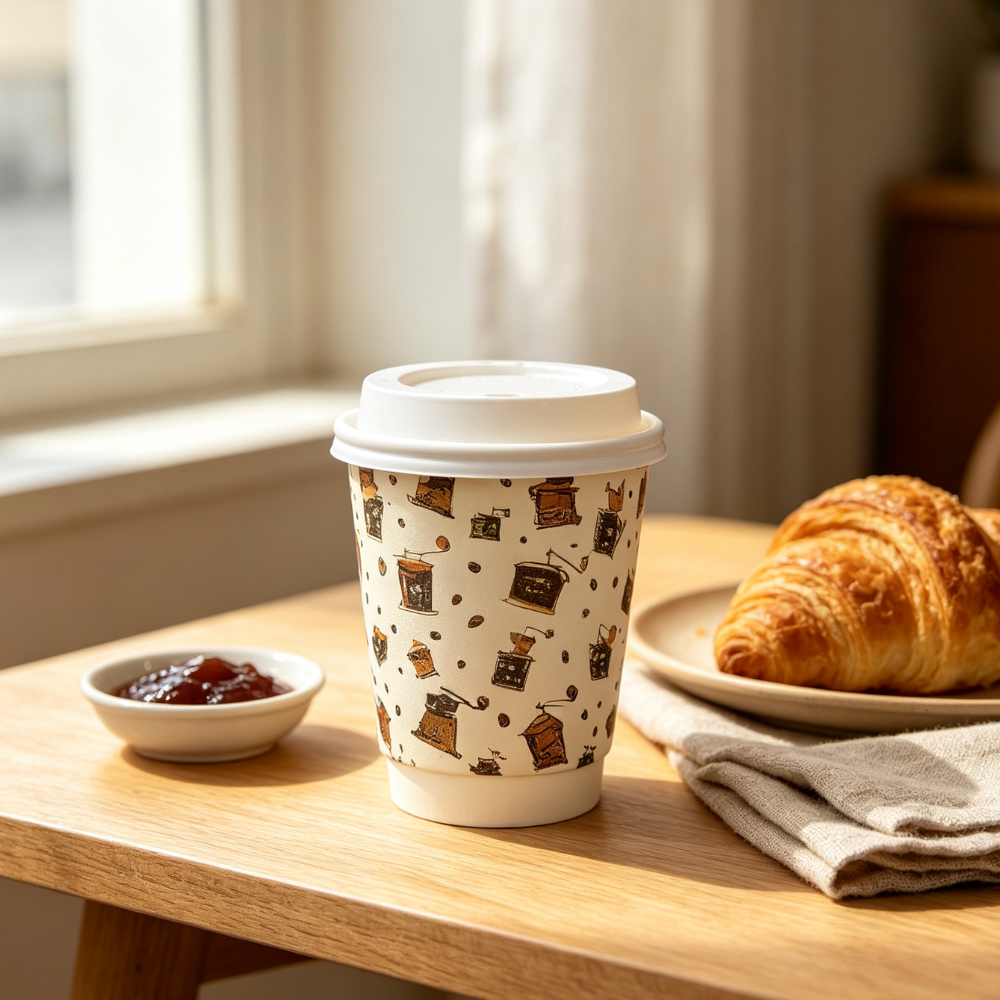
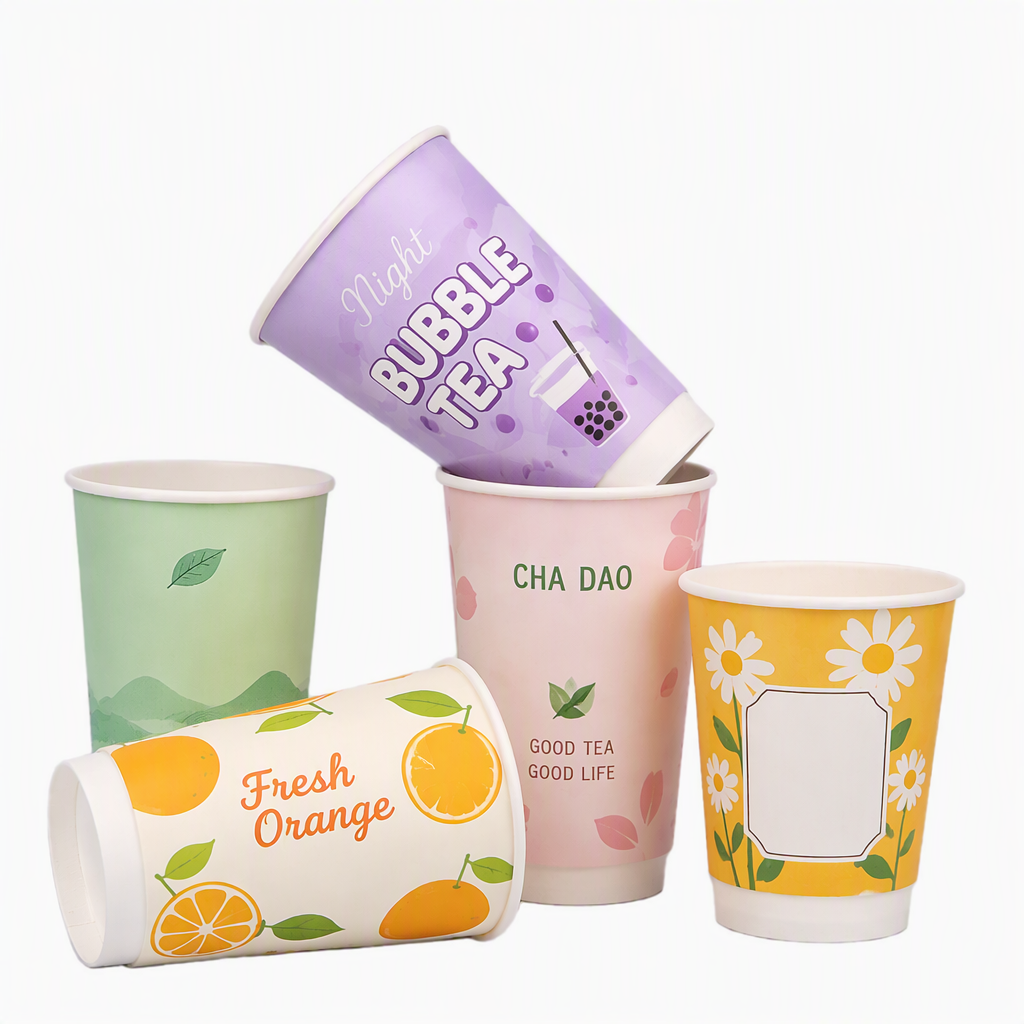
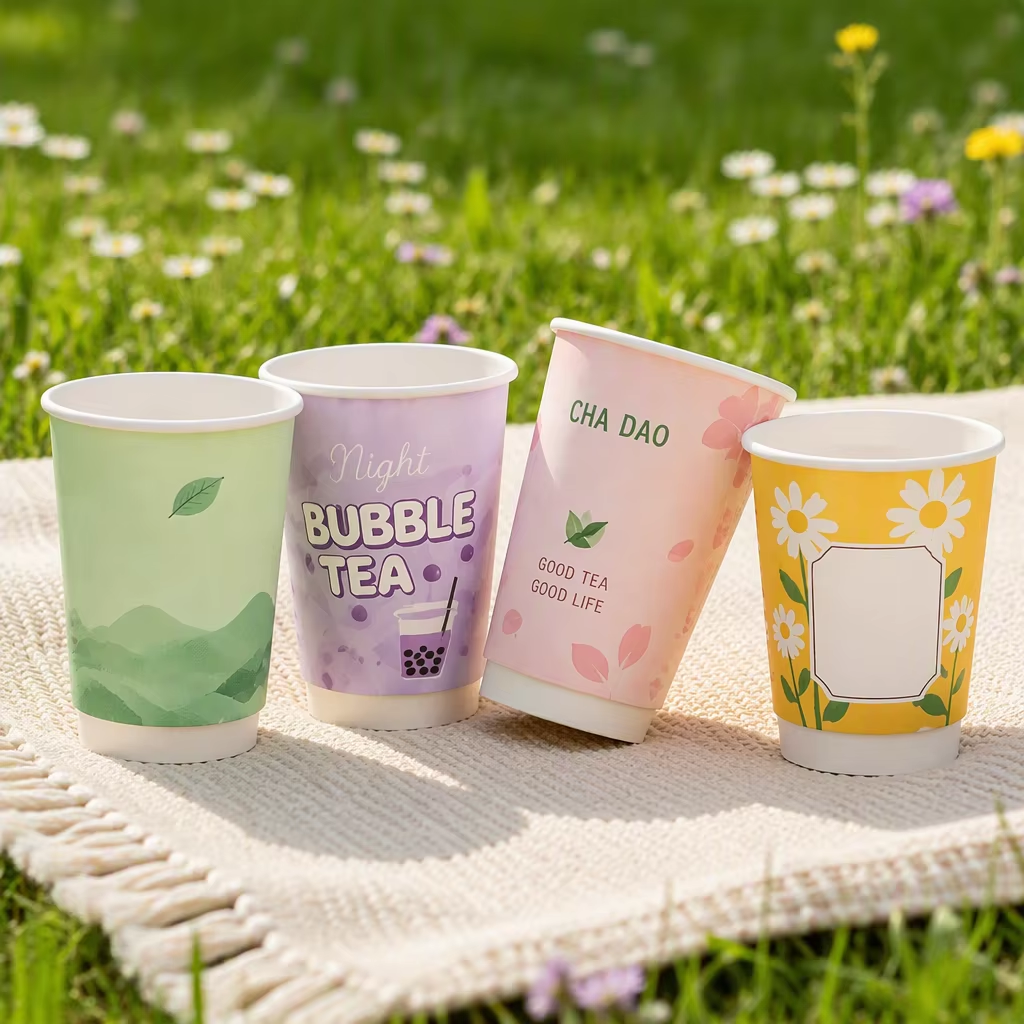
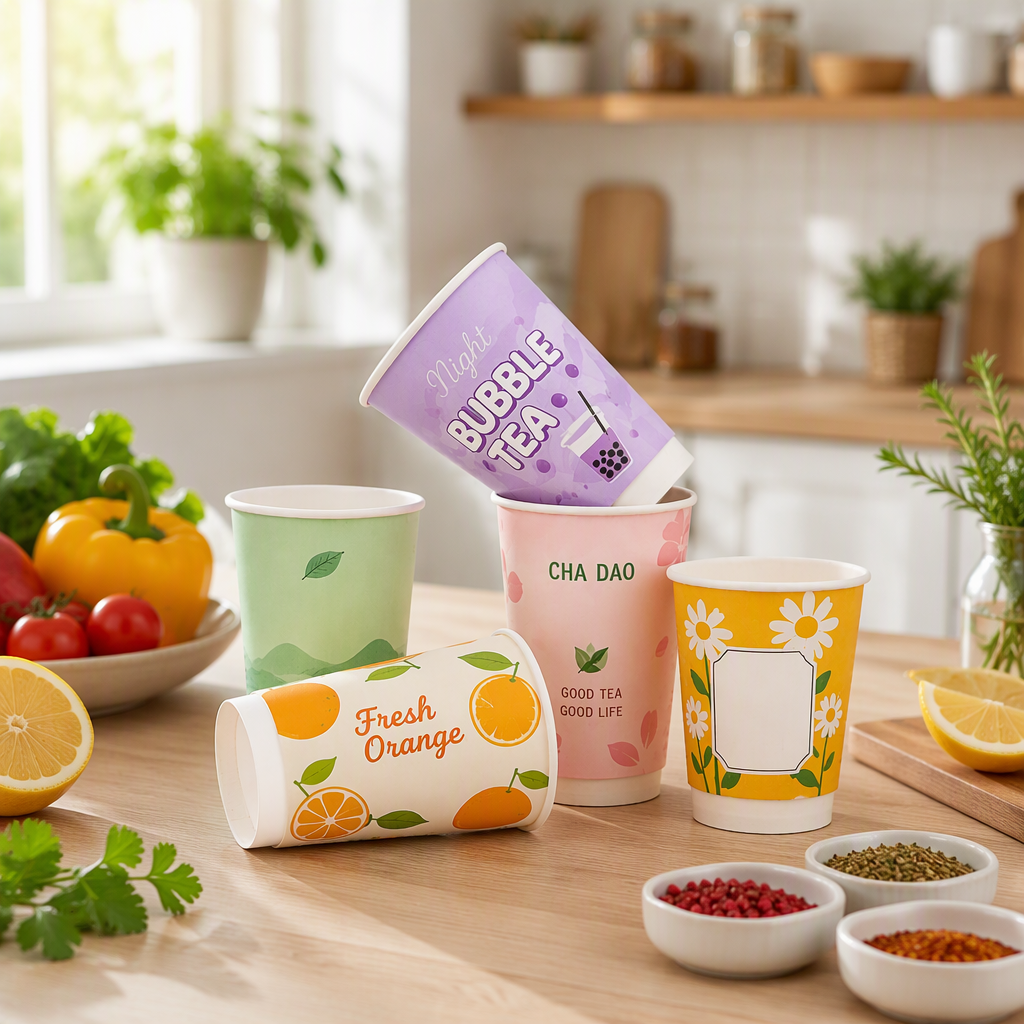
The exterior of milkshake paper cups provides space for flavor illustrations, seasonal designs, and branding. Keep important details visible when a sleeve, label, or carrier is used.

Accessory Choices

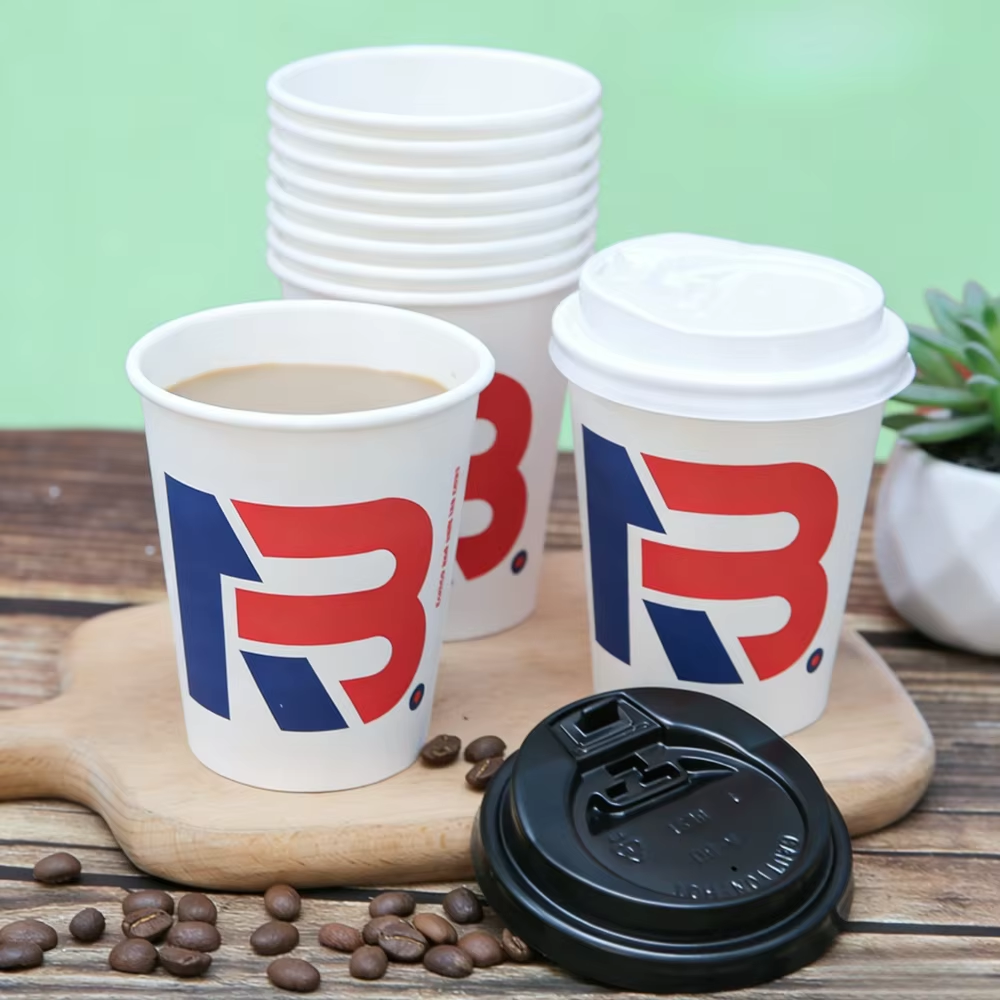
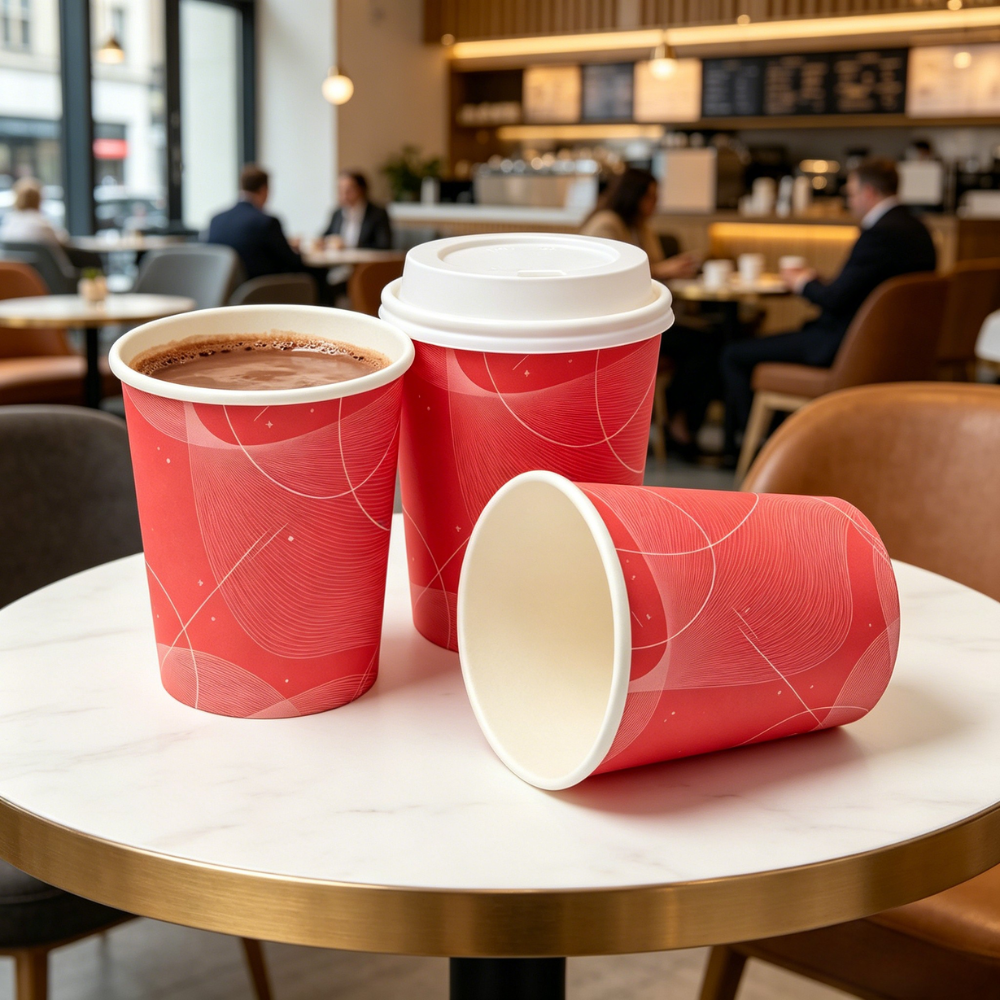
Paper milkshake cups with lids can be specified around straw access or spoon use. A flat closure may suit a plain shake, while a compatible raised lid can accommodate certain toppings.

Cold-Service Construction

Appropriately specified paper milkshake cups combine liquid containment with an exterior suited to chilled service. Verify moisture resistance through a sample trial rather than judging performance by paper thickness alone.

Paper Milkshake Cups for Classic Shakes and Topped Drinks

Build a range of paper milkshake cups around actual recipes rather than size names alone. Compare smaller portions for children's menus with larger formats for blended dessert drinks, confirming usable volume below the intended closure. Milkshake paper cups can be considered in plain or printed finishes, with cold-service barriers selected for the beverage and holding conditions. For drinks containing whipped cream or cookie pieces, check topping clearance and access separately. Paper milkshake cups with lids should be evaluated as matched assemblies, including the opening needed for the selected straw or spoon. Ask for confirmed dimensions, packing quantities, available lid styles, and food-contact documentation before approving an order.

Start with the Finished Recipe

Select paper milkshake cups using the volume produced by the complete recipe, including ice cream, milk, syrup, and blended additions. Aeration can change the finished volume, so ingredient quantities alone may not predict the required container.
Test disposable milkshake cups with the recipe after blending. Establish a fill level that leaves space for the closure without forcing the drink into its opening.

Match the Opening to the Drink

Thick shakes and drinks containing small inclusions may require different accessories from smooth, thinner blends. For paper milkshake cups with lids, confirm that the opening accepts the intended straw without damaging it or lifting the closure.
A spoon may be more practical for a heavily topped dessert. In that case, evaluate whether milkshake paper cups provide comfortable access once the lid is removed.

Evaluate the Complete Handoff

Paper milkshake cups do not replace temperature-controlled food handling. Prepare dairy drinks under your established hygiene procedures and keep waiting times appropriate to the recipe and applicable food-safety requirements.
Before adding a delivery option, assess paper milkshake cups in the actual carrier. Check stability, condensation, lid seating, and customer access after a representative journey. A lid can reduce splashing, but an open drinking aperture is not a leakproof seal.

Frequently Asked Questions About Paper Milkshake Cups

Practical answers on sizing, toppings, condensation, and takeaway accessories.

What size should I choose for my milkshake recipe?

Measure the finished blended drink and allow space for toppings and the selected lid. Paper milkshake cups should be chosen by usable serving volume, not nominal capacity alone.
Suitable products can hold dairy-free shakes as well as dairy recipes, subject to their intended food-contact use. Cup selection does not replace allergen controls or separate preparation procedures where required.
Chilled service can cause condensation on the outside. An appropriate exterior treatment may help limit moisture absorption, but the required construction depends on humidity, drink temperature, and holding time.
Paper milkshake cups with lids may use raised closures where additional topping space is needed. Check the actual clearance, rim fit, and opening; a raised lid does not guarantee room for every topping arrangement.
Do not assume freezer suitability. Confirm the finished product's approved storage conditions, including the lining and lid. A cup intended for immediate cold-drink service may not be suitable for freezing or thawing.
Acceptance depends on the lining, food residue, and local processing system. Follow local instructions and assess the lid separately. A paper body does not automatically establish recyclability or compostability.

Related Articles

How to Choose Recyclable Paper Cups for Coffee Shops, Restaurants, and Takeaway Chains

21

Sep

How to Choose Recyclable Paper Cups for Coffee Shops, Restaurants, and Takeaway Chains

Upgrade your sustainable paper packaging. Learn how to choose and source reliable recyclable paper cups in bulk for your coffee shop or takeaway chain.
View More
Paper Plates and Paper Cups for Catering: A Complete Buying Guide for Foodservice Buyers

21

Sep

Paper Plates and Paper Cups for Catering: A Complete Buying Guide for Foodservice Buyers

Sourcing catering tableware? Read our B2B guide on paper plates and paper cups to compare board stiffness, barrier coatings, and integrated supply chains.
View More
Paper Plates and Cups for Parties, Catering, and Takeaway Food Packaging

21

Sep

Paper Plates and Cups for Parties, Catering, and Takeaway Food Packaging

Elevate your catering and takeaway brand. Learn how to source custom paper plates and cups with food-safe inks, PFAS-free coatings, and integrated B2B manufacturing.
View More
Paper Cups with Lids Buying Guide: Matching Cup Sizes, Lid Types, and Beverage Applications

21

Sep

Paper Cups with Lids Buying Guide: Matching Cup Sizes, Lid Types, and Beverage Applications

Stop dealing with leaks. Read our B2B guide on matching paper cups with lids, 80/90mm rim sizing, and sourcing the best disposable coffee cups with lids.
View More

Illustrative Buyer Reviews for Paper Milkshake Cups

Tessa Whitmore
Dessert Bar Owner

“We would assess paper milkshake cups using our thickest recipe first. The key checks would be usable volume and whether customers can reach the final portion with our chosen straw.”

Rafael Mendes
Burger Restaurant Purchasing Coordinator

“For paper milkshake cups with lids, we would compare plain and topped drinks separately. That would help us avoid selecting one closure before checking the whole menu.”

Priya Ellison
Mobile Catering Manager

“When reviewing disposable milkshake cups, we would test them in our takeaway carriers. Condensation and movement during handoff matter as much as the appearance at the counter.”

Get a Free Quote

Our representative will contact you soon.
Name
Company Name
Email
Mobile
What are you looking for
Message/Project Details
0/1000
Match Cup Volume to Blending and Topping Requirements

Match Cup Volume to Blending and Topping Requirements

A milkshake recipe can occupy a different volume after blending because air, ingredient temperature, and ice cream consistency affect the finished drink. Select paper milkshake cups by measuring prepared servings rather than adding up the liquid ingredients alone. Run several batches using the normal equipment settings and establish a practical fill level below the closure. For milkshake paper cups used with whipped cream, sauces, or cookie pieces, assess the topping separately from the blended base. A raised lid may provide extra clearance, but its shape can still press against a tall topping or leave sauce on the inside surface. Keep the approved portion and topping arrangement in the preparation guide so staff can reproduce the same serving. This makes the packaging decision part of recipe control and helps avoid last-minute transfers into larger containers when a finished drink does not fit as expected.
Check Straw Access Against Texture and Drink Inclusions

Check Straw Access Against Texture and Drink Inclusions

The drinking accessory should suit the shake rather than simply fit through a lid opening. When testing paper milkshake cups with lids, use the intended straw with the thickest recipe and the largest inclusions allowed on the menu. Small biscuit fragments or fruit pieces can obstruct a narrow straw, while a wider straw may require a different closure opening. Check that insertion does not split the straw, distort the lid, or loosen its grip on the rim. For spoonable desserts, assess access after removing the closure and consider whether the cup depth makes the final portion difficult to reach. Paper milkshake cups should be reviewed with these accessories as a serving set, not as isolated items. Ask staff to try representative drinks and record any handling issues before ordering in bulk. This keeps the selection focused on how customers consume the product, from the first sip to the remaining portion at the base.
Assess Condensation Throughout the Takeaway Journey

Assess Condensation Throughout the Takeaway Journey

Cold drinks can produce moisture on the cup exterior, especially in warm or humid surroundings. Evaluate paper milkshake cups under conditions that resemble the actual collection counter and delivery route, rather than checking only for internal leaks. Fill samples with the usual recipe and inspect the outer wall, base, printed surface, and carrier contact points at planned intervals. For disposable milkshake cups, note whether moisture affects handling, label adhesion, or the stiffness of a paperboard tray. Keep the cup upright during transport and confirm that the carrier supports its lower profile without squeezing the body. A secure lid helps with splashes but does not make an open drinking hole spillproof. Record the trial duration and ambient conditions alongside the selected specification. This gives the team a practical basis for setting handoff procedures and identifying when a different cup finish or carrier needs review.