Specify the Finished Cup, Not Just the Resin
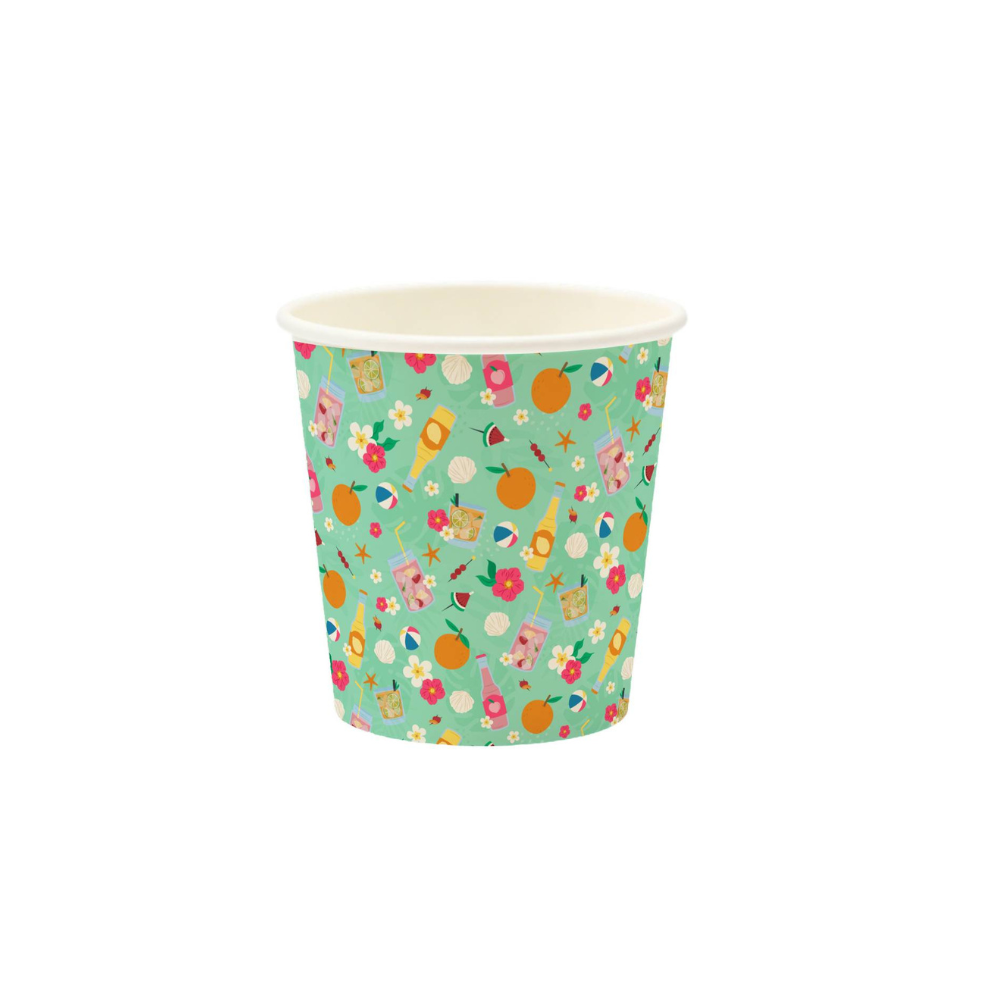
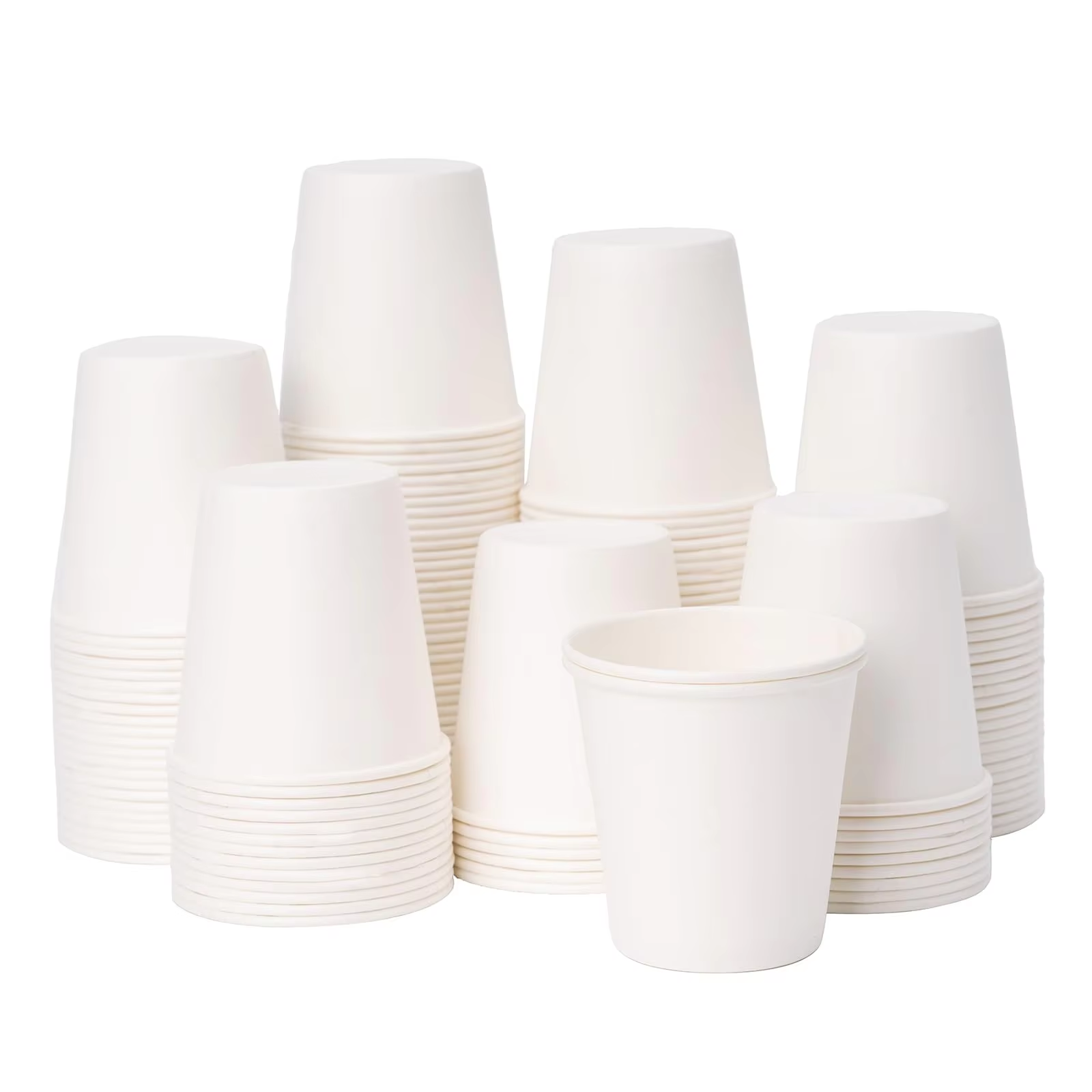
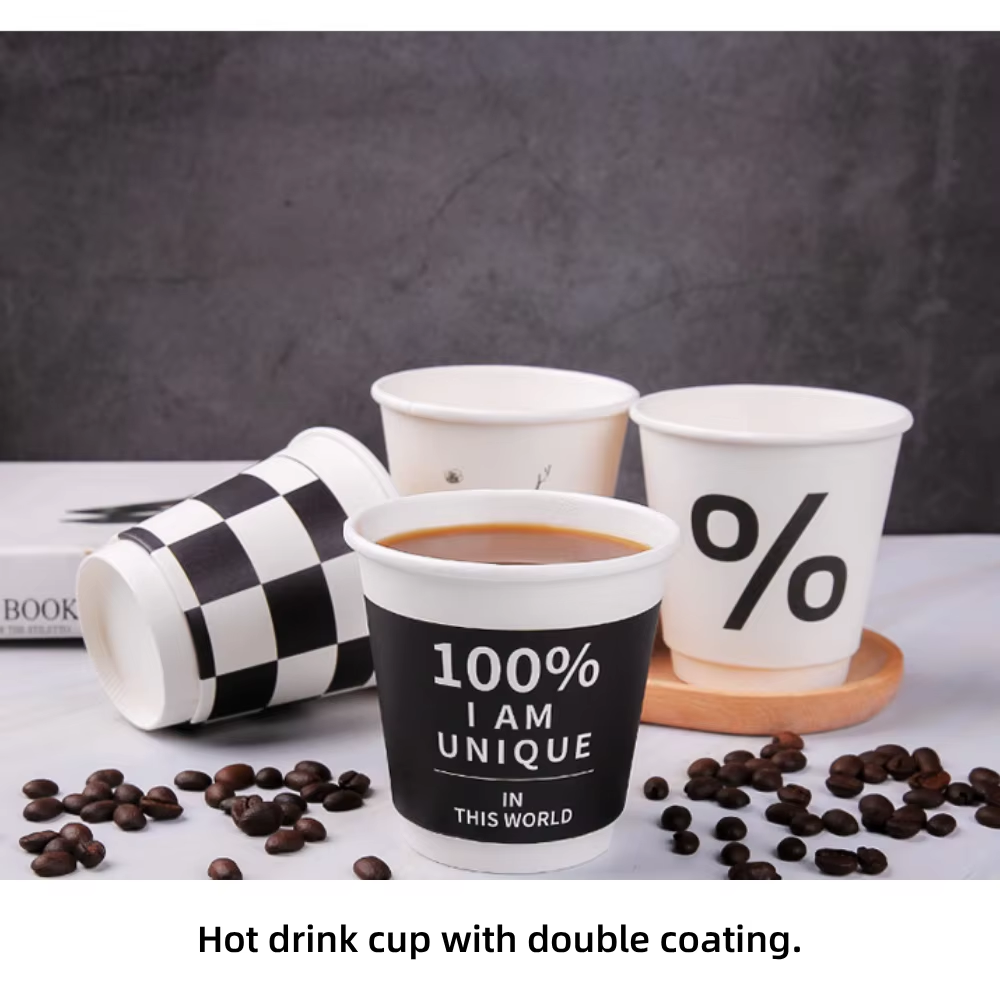
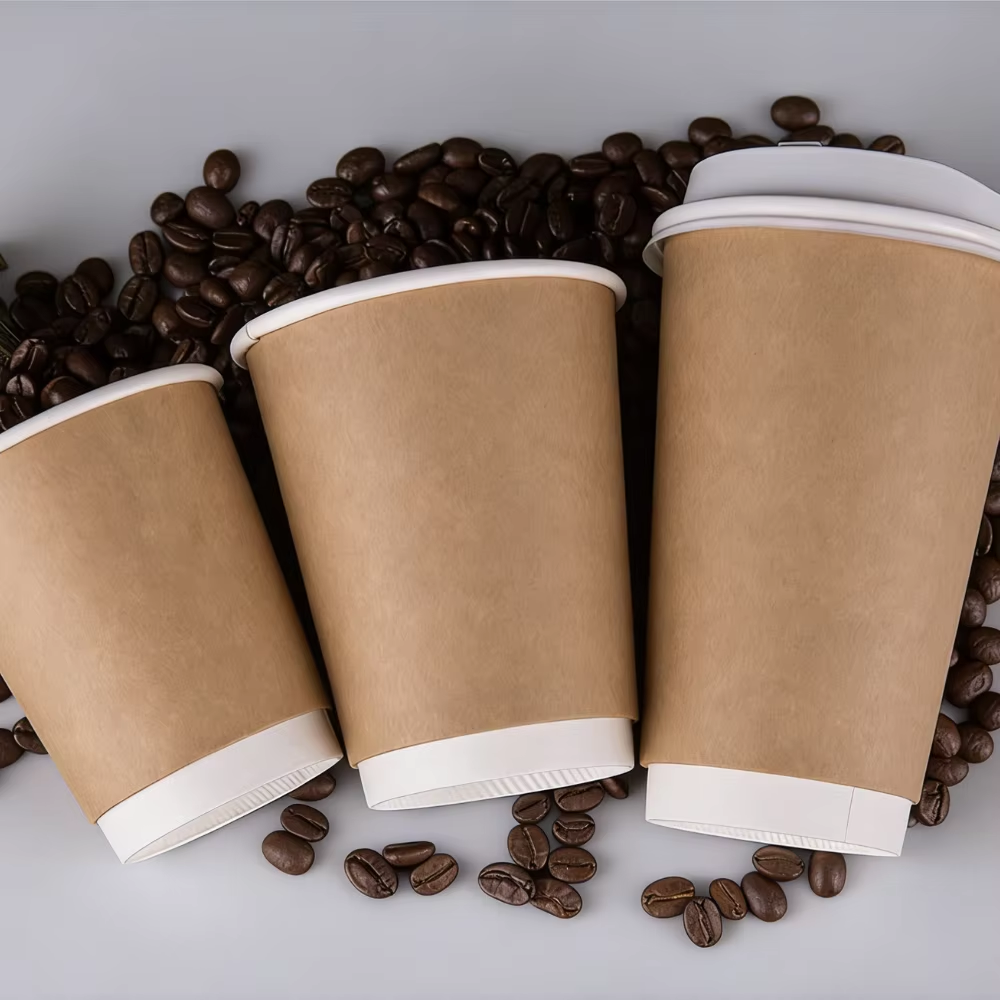
A PLA paper cup is a composite package: paperboard supplies the body, while PLA provides a liquid-contact barrier. Naming the lining does not establish coating thickness, heat tolerance, seal strength, or compostability. Two visually similar cups may therefore have different approved uses.
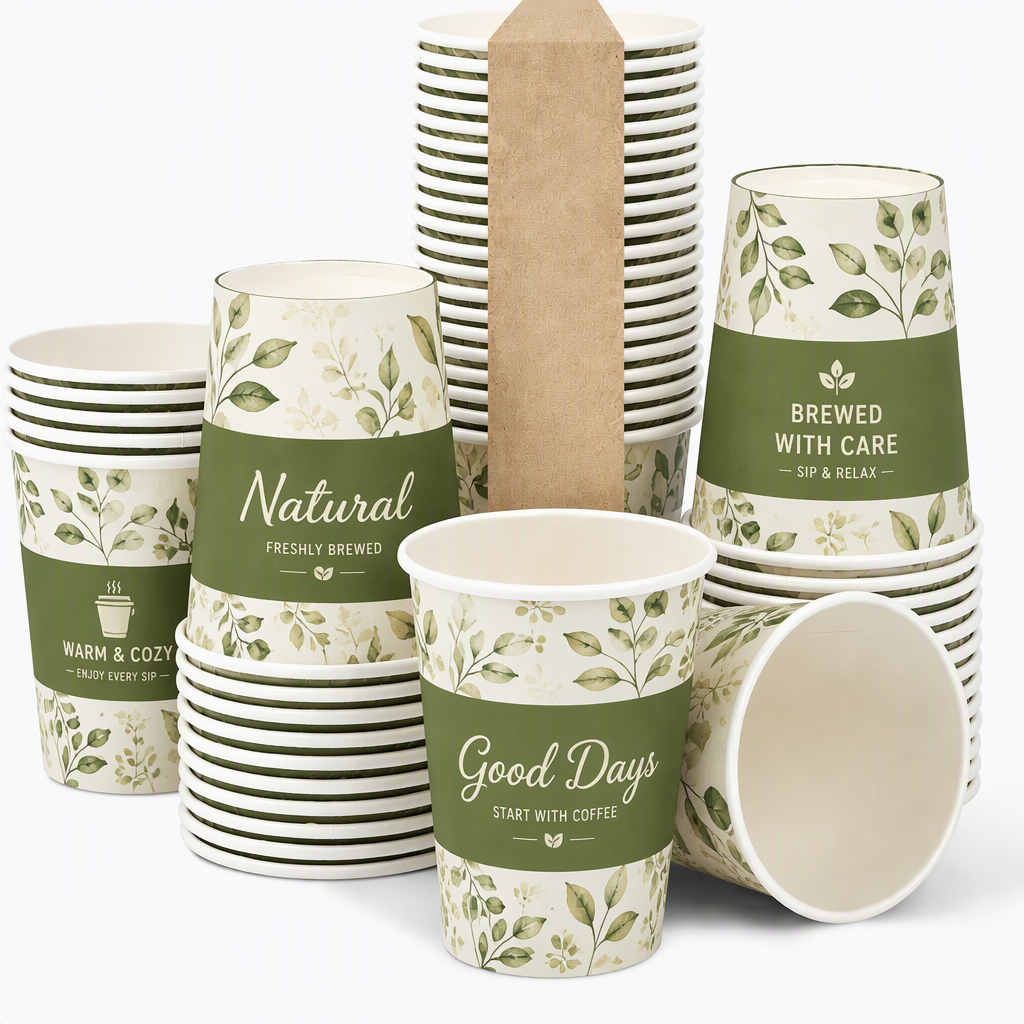
When comparing PLA coated paper cups, ask suppliers to identify the exact product code covered by each specification. Food-contact documentation and compostability evidence answer different questions; neither substitutes for the other.
Test Against Your Actual Drink Menu
Evaluate a PLA paper cup using representative beverages at your normal filling temperature. Include the longest realistic holding period, then inspect the side seam, base, and cup body. For example, a takeaway latte consumed promptly presents different conditions from a chilled drink standing on a humid counter.
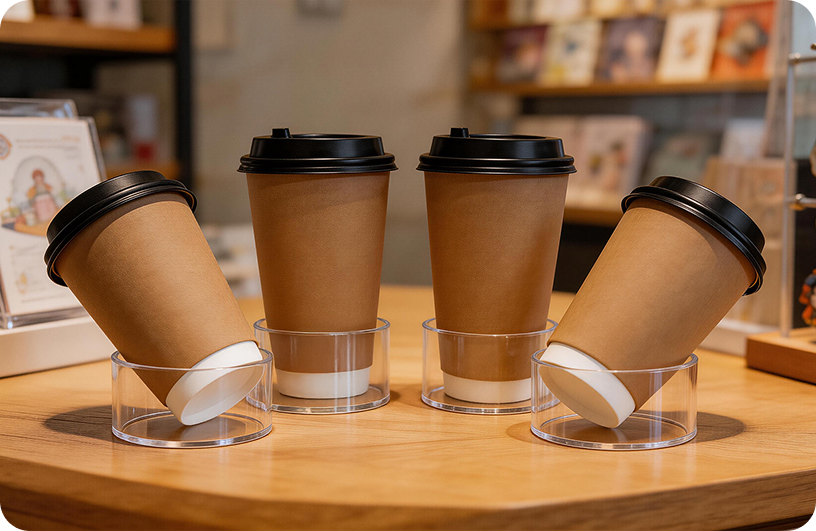
Assess a PLA-lined paper cup together with its sleeve, lid, and carrier where those accessories are used. Record the test conditions so repeat orders can be checked consistently. Do not assume that a lining suitable for a paper hot cup makes a clear PLA cold cup suitable for hot drinks.
Keep Environmental Claims Specific
PLA is a plastic, even when its feedstock comes from plants. Accordingly, PLA coated paper cups should not automatically be marketed as plastic-free, home-compostable, or recyclable through ordinary paper collection.
If a PLA paper cup carries an industrial compostability claim, verify the certification scope and local collection arrangements. Avoid promising breakdown in landfill, soil, or the ocean. Clear material information gives buyers a more useful basis for selection than broad environmental slogans.

 EN