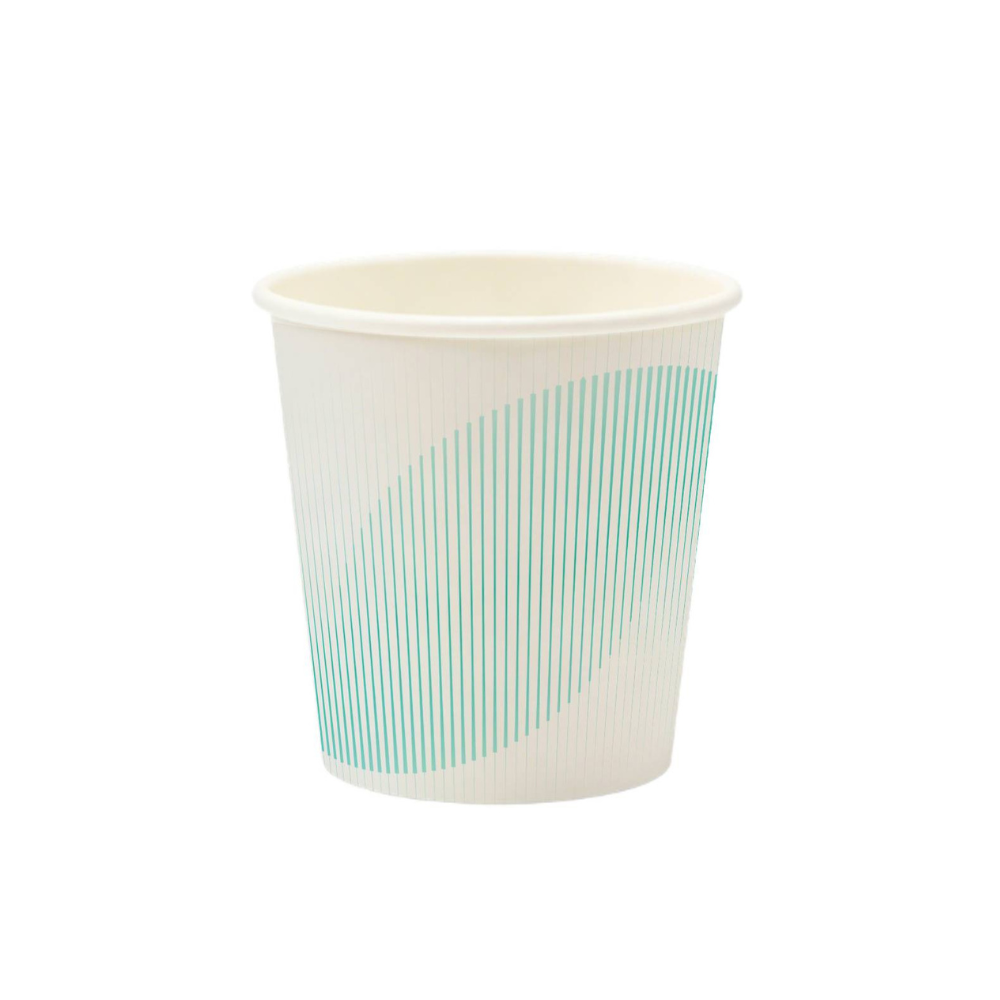
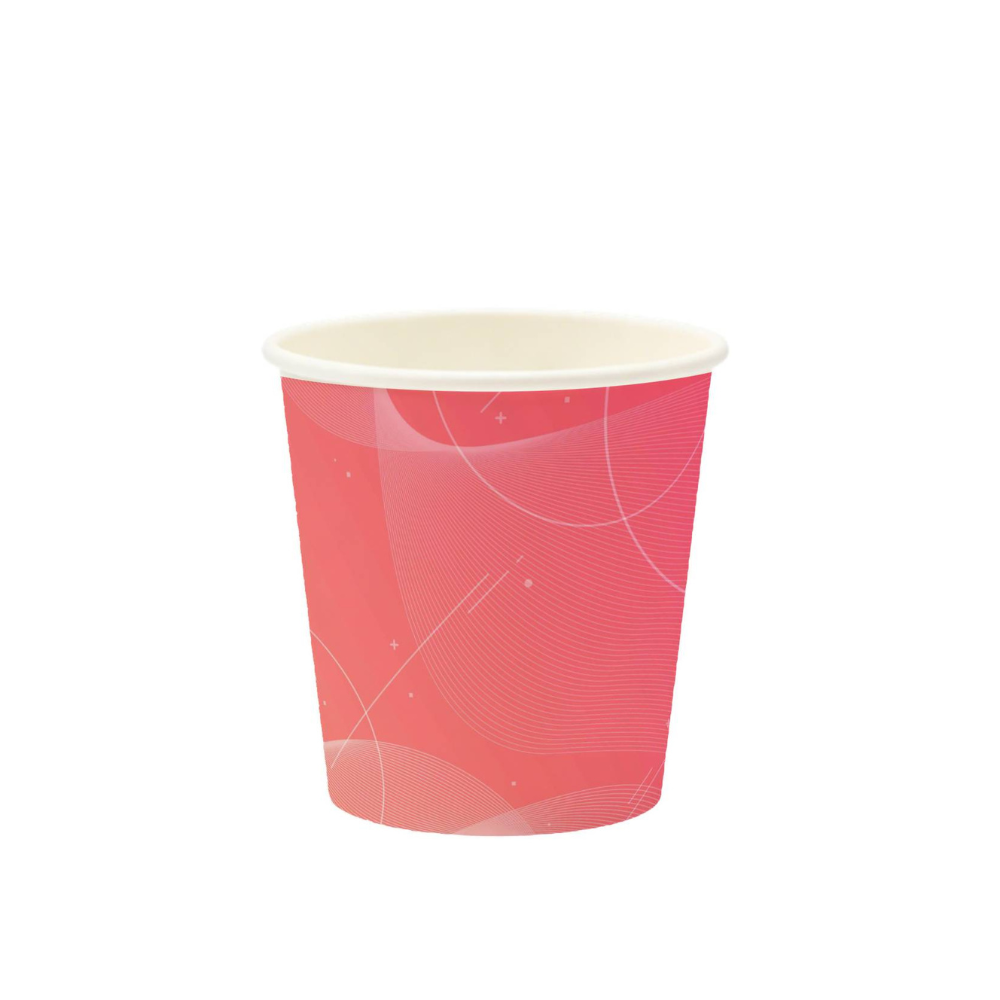
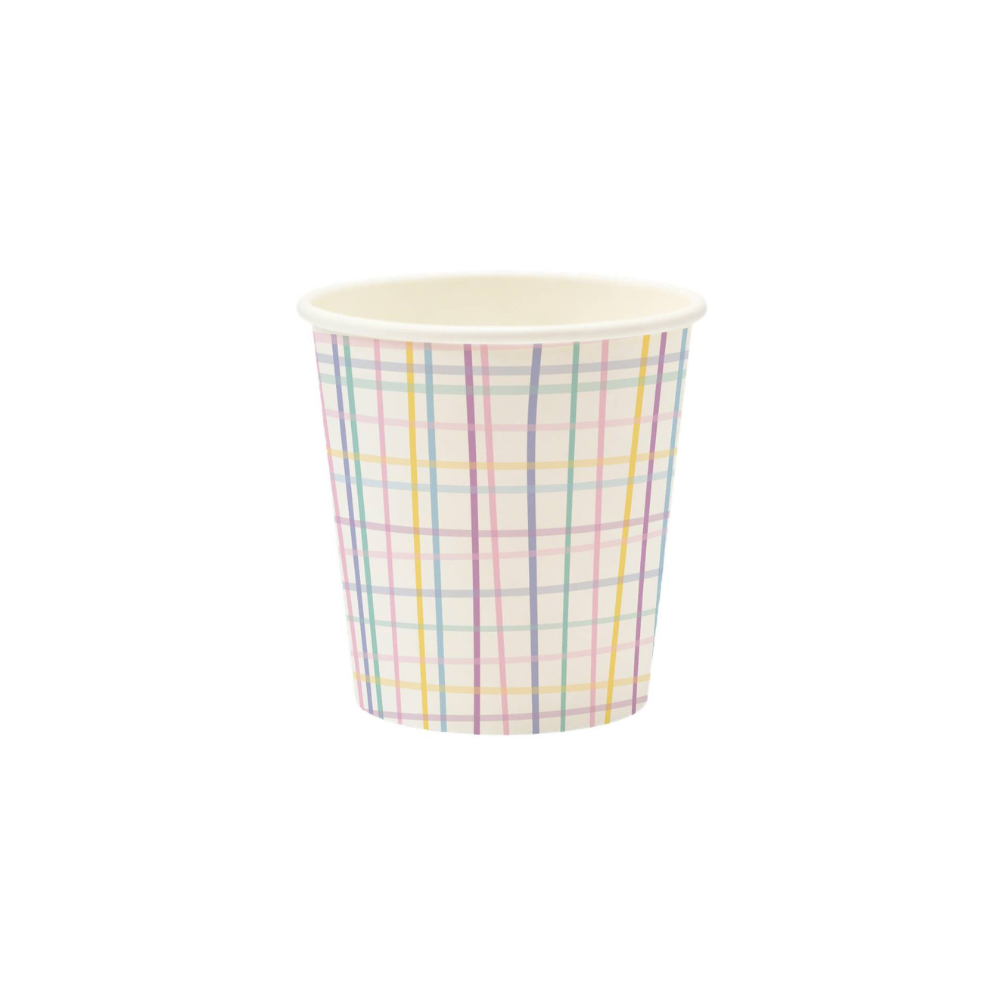
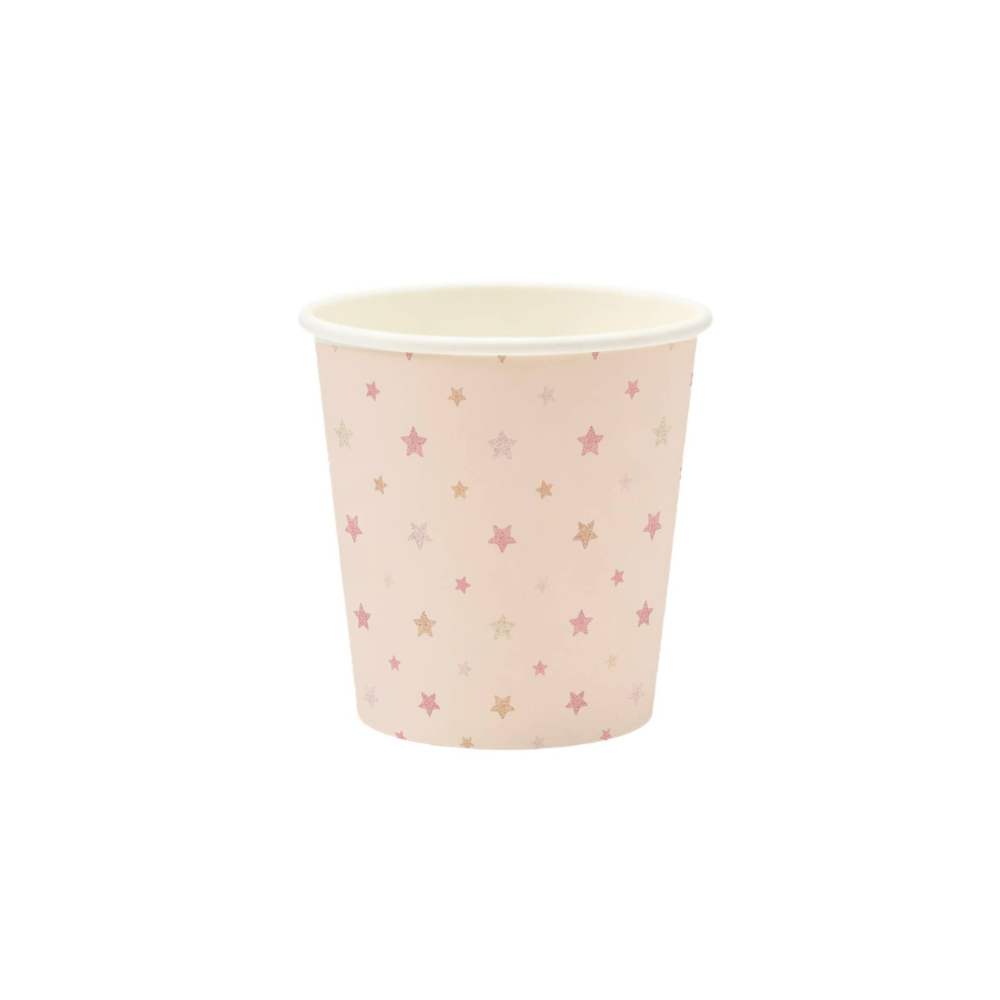
Corrugated Coffee Cups | Ripple Wall Takeaway Paper Cups

Get a Free Quote

Our representative will contact you soon.
Name
Company Name
Email
Mobile
What are you looking for
Message/Project Details
0/1000
Corrugated Coffee Cups for Textured Takeaway Drink Packaging

Corrugated Coffee Cups for Textured Takeaway Drink Packaging

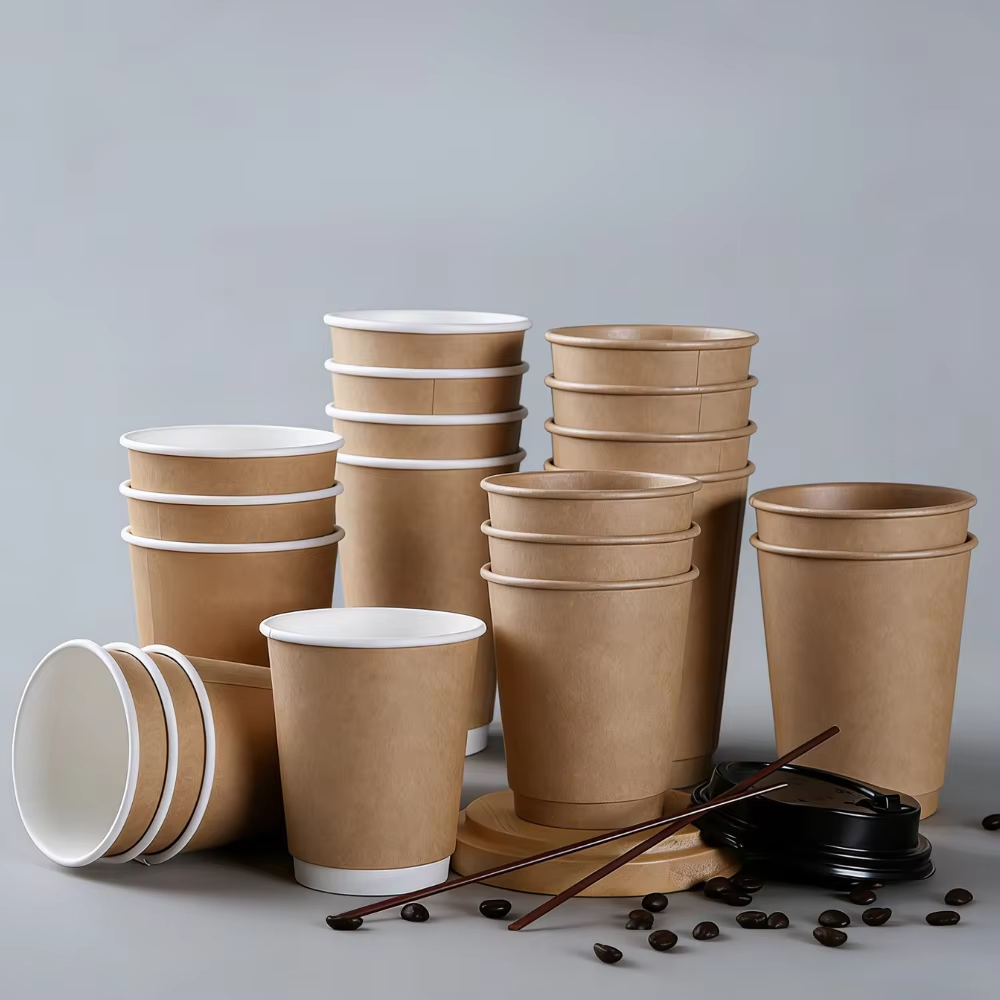
Give hot beverage service a textured paper format with corrugated coffee cups. Their ridged outer wrap adds separation between the drink-holding inner cup and the hand, helping moderate heat transfer during use. Actual handling comfort depends on the construction, filling temperature, and holding time. Ripple wall coffee cups are worth considering for counters where fitting a separate sleeve adds another preparation step. Compare the outer profile, usable capacity, and compatible accessories before selecting a format. Available finishes and flute patterns vary by supplier, so review formed samples rather than choosing from photographs alone. Specify the lining and intended beverage conditions separately from the corrugated exterior.
Get A Quote

Practical Advantages of Corrugated Coffee Cups

A structured outer wrap that brings together thermal separation, tactile handling, and a distinctive paper surface.

Added Thermal Separation

Corrugated coffee cups incorporate spaces within the outer structure that help slow heat transfer. They can improve handling comfort compared with a comparable single-wall cup, but the surface may still become hot.

Textured Hand Contact

The ridged surface of ripple wall coffee cups provides a tactile alternative to smooth paper. Evaluate grip with actual samples, since flute shape, moisture, and hand pressure affect the experience.

Potential Sleeve Reduction

Corrugated paper cups may remove the need for a separate sleeve in suitable applications. Confirm comfort at the intended serving temperature before changing the accessories used at your counter.

Recognizable Surface Design

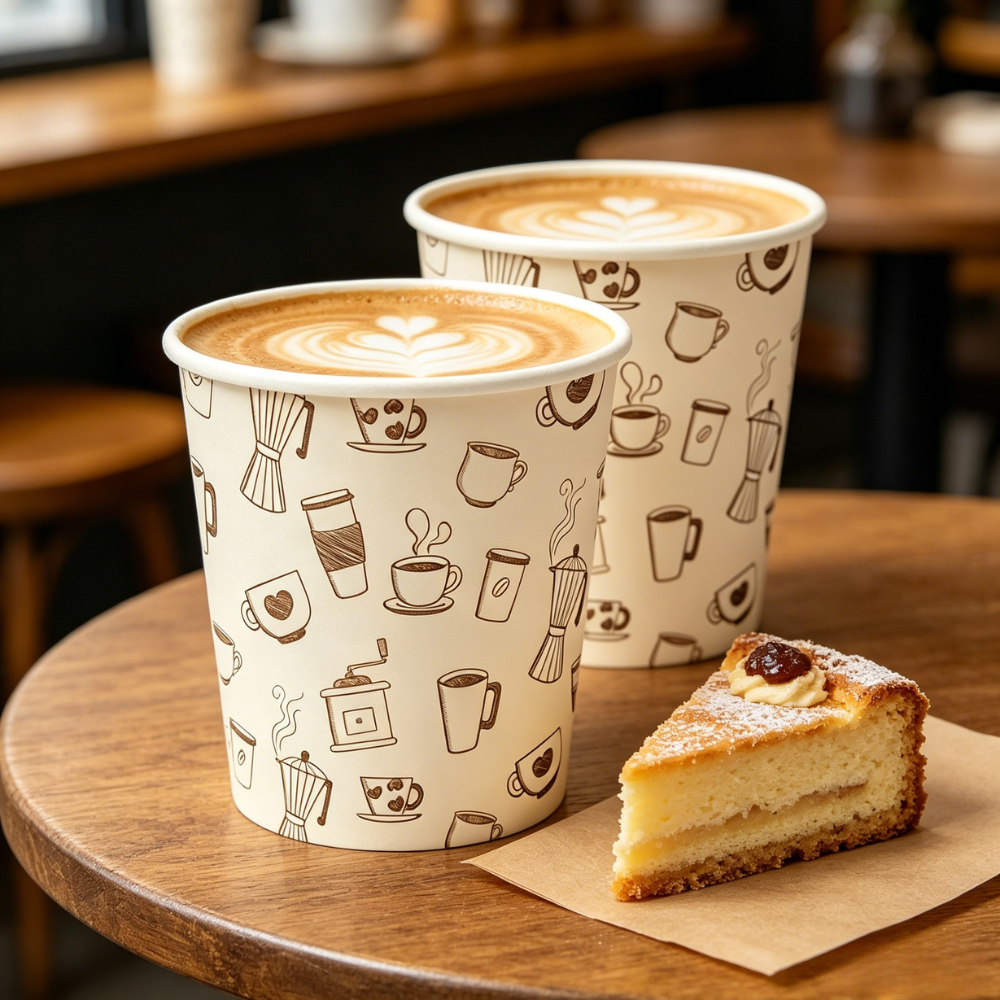
Corrugated coffee cups offer a visible texture that can distinguish a takeaway range without extensive graphics. Coordinate paper color, wrap design, and printing around the limitations of the uneven surface.

Corrugated Coffee Cups for Espresso Bars and Takeaway Counters

Select corrugated coffee cups by serving volume, wrap construction, and how customers carry the finished drink. Discuss smaller coffee portions, regular takeaway servings, and larger menu formats according to confirmed supplier availability. Ripple wall coffee cups may use different flute patterns and outer paper finishes, each affecting appearance and hand contact. Compare brown, white, or colored wraps where available, and request artwork guidance for textured printing areas. Insulated paper coffee cups should also be checked with the intended lid, dispenser, and carrier. Confirm inner barrier specifications, dimensions, packing quantities, and suitable temperatures before approving samples for routine service.

Understand the Role of Each Layer

Corrugated coffee cups generally combine a lined inner paper cup with a shaped outer paper wrap. The inner assembly contains the beverage; the corrugated exterior primarily supports handling and thermal separation. A thicker-looking outside does not establish better liquid containment.
When comparing corrugated paper cups, review the inner cup specification and outer wrap construction separately. Layer-count terminology varies, so request a cross-section or material description rather than relying on a product name.

Test Where Customers Actually Hold the Cup

Handling comfort is not uniform across every part of a cup. Corrugated coffee cups may have exposed areas near the rim or base, and customers may grip above or below the intended textured zone.
Evaluate ripple wall coffee cups using the normal serving temperature and realistic holding periods. For example, a freshly prepared black coffee and a cooler milk-based drink can produce different surface temperatures in the same format.

Check the Complete Counter Setup

The outer profile of corrugated coffee cups can change how they fit existing equipment. Check dispenser clearance, sleeve separation, and carrier openings before replacing a smooth-wall format.
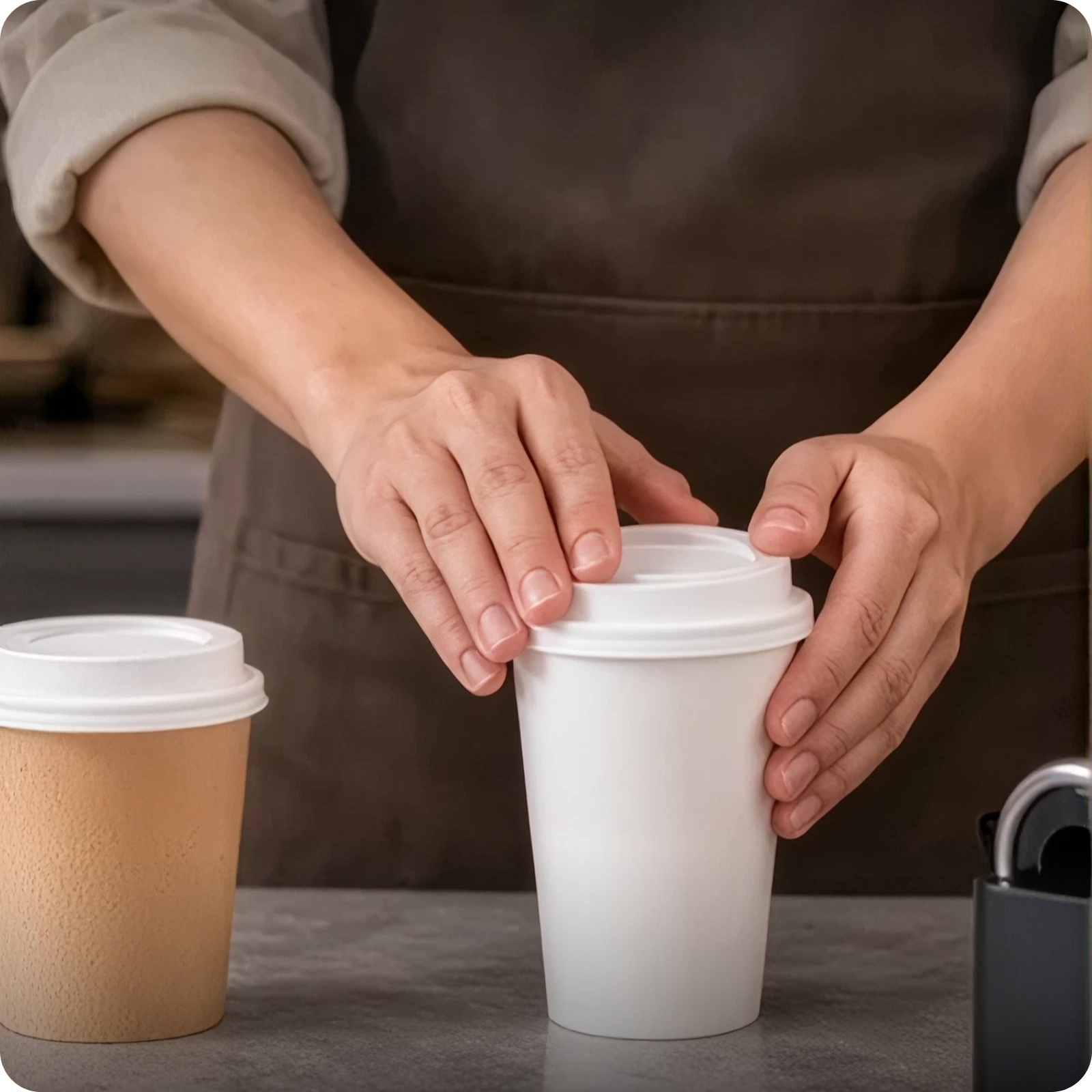
For insulated paper coffee cups, assess both customer handling and staff workflow. A format that reduces sleeve fitting may still need a different dispenser setting or additional storage space. Approve the complete serving arrangement rather than the cup alone.

Frequently Asked Questions About Corrugated Coffee Cups

Practical answers about construction, sleeves, printing, and equipment compatibility.

Are corrugated coffee cups the same as double-wall cups?

Not necessarily. Double-wall commonly describes an additional outer wall, which may be smooth. Corrugated formats use a ridged structure. Supplier naming varies, so confirm the actual layers and air spaces.
No. They may provide sufficient handling comfort for some beverages, but this depends on construction, temperature, and contact time. Test samples and retain sleeves where your service assessment indicates a need.
Their outer structure can slow heat loss through the sidewall. Overall cooling also depends on the lid, drink volume, ambient conditions, and time. Avoid fixed heat-retention claims without comparative testing.
Printing may be available, but ridges can affect fine lines, small text, and solid color coverage. Request the supplier’s artwork limits and approve a formed print sample before production.
Only if the inner cup rim and lid profiles are compatible. Matching nominal capacity or stated diameter alone does not guarantee fit. Test the exact combination before ordering accessories in volume.
Local acceptance depends on the complete construction, including lining and adhesives. A corrugated paper exterior does not automatically establish recyclability or compostability. Follow collection guidance for the finished product.

Related Articles

Paper Cup of Coffee Packaging Guide: How Cup Design Shapes the Takeaway Coffee Experience

21

Sep

Paper Cup of Coffee Packaging Guide: How Cup Design Shapes the Takeaway Coffee Experience

Discover how cup design, thermal insulation, and personalised coffee takeaway cups shape consumer experience and elevate your B2B cafe brand.
View More
Choosing Disposable Cups Paper for Hot Drinks, Cold Drinks, and Custom Printed Cups

22

Sep

Choosing Disposable Cups Paper for Hot Drinks, Cold Drinks, and Custom Printed Cups

A B2B guide to sourcing disposable cups paper. Learn how GSM, double-PE coatings, and surface smoothness impact hot drinks, cold drinks, and custom printing.
View More
Compostable Paper Cups Guide: What Foodservice Buyers Should Know Before Bulk Ordering

22

Sep

Compostable Paper Cups Guide: What Foodservice Buyers Should Know Before Bulk Ordering

A B2B procurement guide for compostable paper cups. Learn about PLA vs. Aqueous coatings, thermal limits for compostable hot cups, and shelf-life management.
View More
Takeaway Coffee Cups Wholesale: Sizes, Wall Types, Lids, and Custom Printing Options

24

Sep

Takeaway Coffee Cups Wholesale: Sizes, Wall Types, Lids, and Custom Printing Options

A B2B guide to ordering takeaway coffee cups wholesale. Compare double wall vs single wall, universal lids, and working with printed paper cups manufacturers.
View More

Illustrative Buyer Perspectives on Corrugated Coffee Cups

Nadia Farouk
Coffee Kiosk Operator

“We would compare corrugated coffee cups during our morning service trial. Handling comfort and the time spent fitting separate sleeves would both influence our decision.”

Elliot Serrano
Hospitality Purchasing Coordinator

“For ripple wall coffee cups, we would request a formed print sample. Our logo needs to remain readable across the ridged surface, not just on a flat artwork proof.”

Maren Cho
Mobile Beverage Service Manager

“We would check corrugated paper cups in our existing carriers before ordering. The outer profile matters when several drinks are handed over together.”

Get a Free Quote

Our representative will contact you soon.
Name
Company Name
Email
Mobile
What are you looking for
Message/Project Details
0/1000
Evaluate Flute Shape Where the Hand Meets the Cup

Evaluate Flute Shape Where the Hand Meets the Cup

The ridged wrap on corrugated coffee cups changes the points where the hand touches the outer surface. Raised sections provide contact areas, while spaces within the construction help limit heat transfer from the inner wall. Flute height, spacing, and paper stiffness can therefore affect both handling comfort and the feel of the cup. Compare ripple wall coffee cups using filled samples rather than pressing an empty wrap between your fingers. Check the middle grip area as well as the exposed zones near the top and bottom, where construction may differ. Use your normal drink temperature and assess comfort over a realistic holding period. Avoid describing the texture as burn-proof or non-slip, since hot surfaces and wet hands still require care. Record the approved pattern with the sample reference so future orders can be checked against the same physical design instead of a photograph that only shows its appearance.
Adapt Artwork to the Corrugated Print Surface

Adapt Artwork to the Corrugated Print Surface

A textured wrap requires a different artwork approach from a smooth paper wall. On corrugated coffee cups, narrow lines and small lettering may lose definition as the surface rises and falls beneath the printed design. Ask the supplier which printing method and artwork limits apply to the selected construction. For corrugated paper cups, consider a simple logo, readable lettering, and enough clear space around important details. Do not assume that a color approved on flat paper will look identical across ridges and shadows. Review a formed sample under ordinary counter lighting and check the wrap join, where graphics may be interrupted. If an order label is required, test adhesion on the actual surface before choosing its position. This keeps design decisions tied to the finished cup and helps avoid approving artwork that looks clear on screen but becomes difficult to read after the outer wrap is formed.
Check Outer Dimensions Against Existing Equipment

Check Outer Dimensions Against Existing Equipment

Changing to corrugated coffee cups can affect counter equipment even when the nominal drink capacity remains unchanged. The outer wrap adds bulk, and its texture may change how adjacent cups separate or sit inside a dispenser opening. Measure the finished outside profile and test a full stack in the equipment used at the site. For insulated paper coffee cups, also check carrier openings and the clearance around nearby drink positions. A carrier that supports a smooth cup may grip a ridged wrap differently, especially if the opening presses against the flute peaks. Ask staff to load, remove, and hand over filled samples during a service trial. Inspect for crushed ridges, awkward release, or movement within the carrier. Keep the results with the approved specification so a later change in wrap thickness triggers another fit check rather than being treated as a purely visual update to the same packaging format.