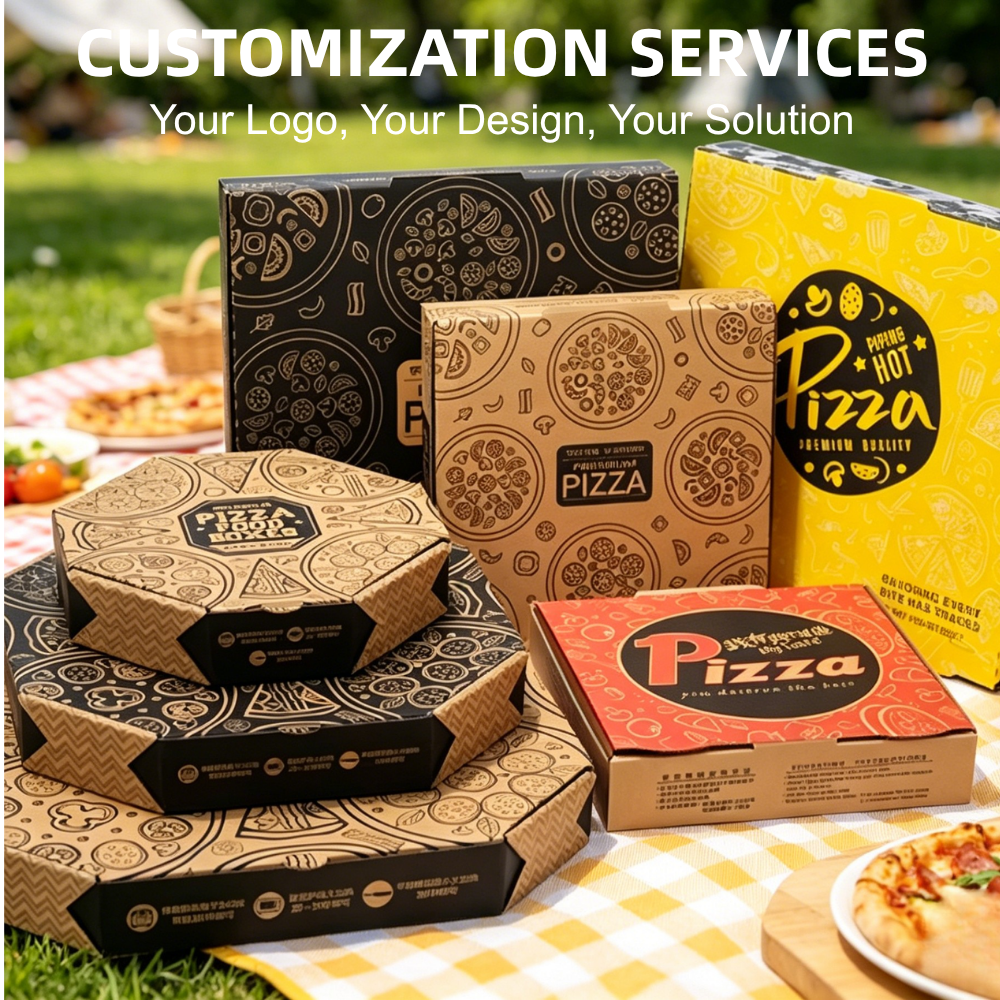
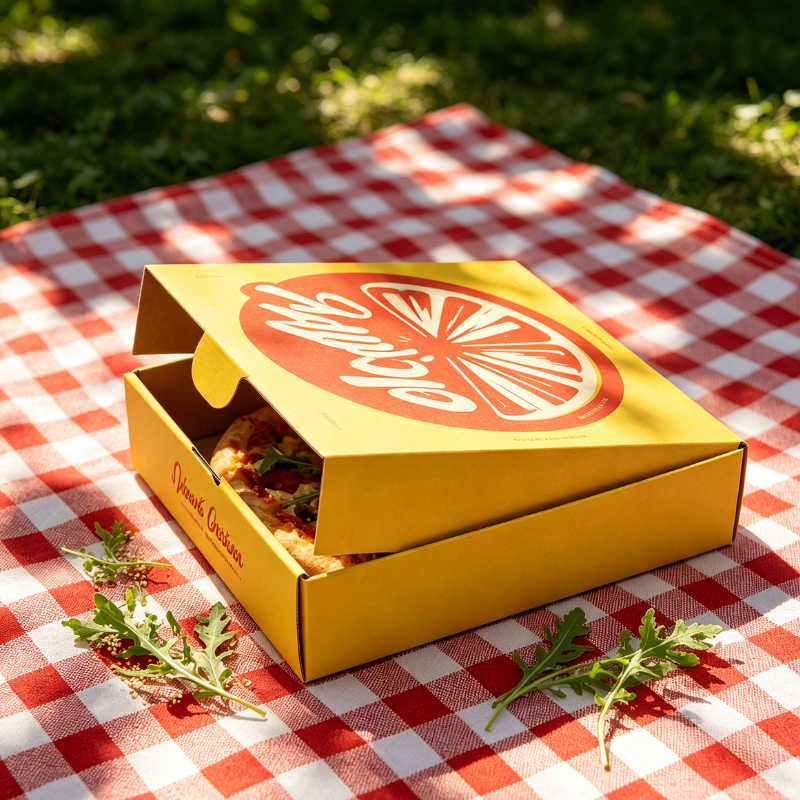
When restaurant chains and packaging distributors negotiate procurement contracts, the focus is often on the finished product: the dimensions, the price per unit, and the delivery logistics. However, experienced B2B buyers know that the true performance of a paper pizza box is dictated long before it is folded in a kitchen. It is entirely dependent on the raw material itself.
The quality of the pizza box paper—specifically the linerboard and the corrugated fluting medium—determines whether a delivery arrives hot and intact or soggy and crushed. If you start with inferior paper, no amount of structural design can save the final product.
As a fully integrated global packaging manufacturer, our operations span from sustainably managed forests to precision converting facilities. We understand the microscopic cellulose science that makes or breaks food-grade paper. For procurement teams looking to optimize their packaging supply chain, here is an in-depth guide on evaluating pizza box paper for material strength, chemical resistance, and brand-enhancing printability.
A standard delivery box is subjected to extreme stress. It must withstand the 400-degree heat of a freshly baked pie, the trapped steam, and the physical weight of other boxes stacked on top of it.
To survive this, corrugated cardboard pizza boxes rely on three layers of paper: the inner liner, the fluting (the wavy middle layer), and the outer liner. The structural integrity of these layers comes down to fiber length.
In the paper manufacturing industry, pulp is generally categorized into two types: recycled short-fiber (Testliner) and virgin long-fiber (Kraftliner).
For premium corrugated cardboard pizza boxes, we recommend a strategic hybrid approach.
| Paper Component | Recommended Material Grade | Basis Weight (GSM) | Primary Function |
| Outer Liner | Virgin Kraftliner or High-Grade White Top | 130 - 170 gsm | Puncture resistance, smooth print surface |
| Fluting (E/B-Flute) | High-Performance Semi-Chemical or Recycled | 110 - 150 gsm | Vertical crush resistance, thermal insulation |
| Inner Liner | Food-Grade Virgin Kraft (Unbleached) | 120 - 140 gsm | Steam absorption, chemical safety |
By utilizing premium virgin fibers for the inner and outer liners, manufacturers ensure that the paper pizza box achieves high Edge Crush Test (ECT) ratings. Because our supply chain utilizes virgin pulp from our own PEFC-certified plantations, we can guarantee the fiber length and structural consistency of every batch of pizza box paper we produce, ensuring your packaging never collapses in transit.
Even the strongest paper will fail if it becomes saturated with oil. When hot cheese and pepperoni sit directly on raw paperboard, the fat molecules immediately penetrate the porous cellulose fibers. Within minutes, the grease stains through to the outside of the box, ruining the structural integrity and making a mess of the customer's countertop.
Managing this is the most complex aspect of manufacturing food-grade pizza box paper.
For decades, paper mills treated their liners with PFAS (per- and polyfluoroalkyl substances) to create a cheap, effective grease barrier. However, as global health organizations recognized the dangers of these "forever chemicals," strict bans have been enacted across North America and the European Union.
Today, B2B buyers must rigorously audit their suppliers’ barrier technologies. If your supplier is importing non-compliant pizza box paper, your entire inventory could be subjected to regulatory seizure.
Modern sustainable paper packaging relies on advanced, water-based (aqueous) coatings. During the paper milling process, these PFAS-free coatings are applied directly to the inner liner board. They cure to form an invisible, food-safe shield that prevents heavy lipid oils from penetrating the paper fibers. When sourcing a paper pizza box, insist on seeing FDA and EU ISEGA compliance certificates for the specific barrier coatings used on the inner liners.
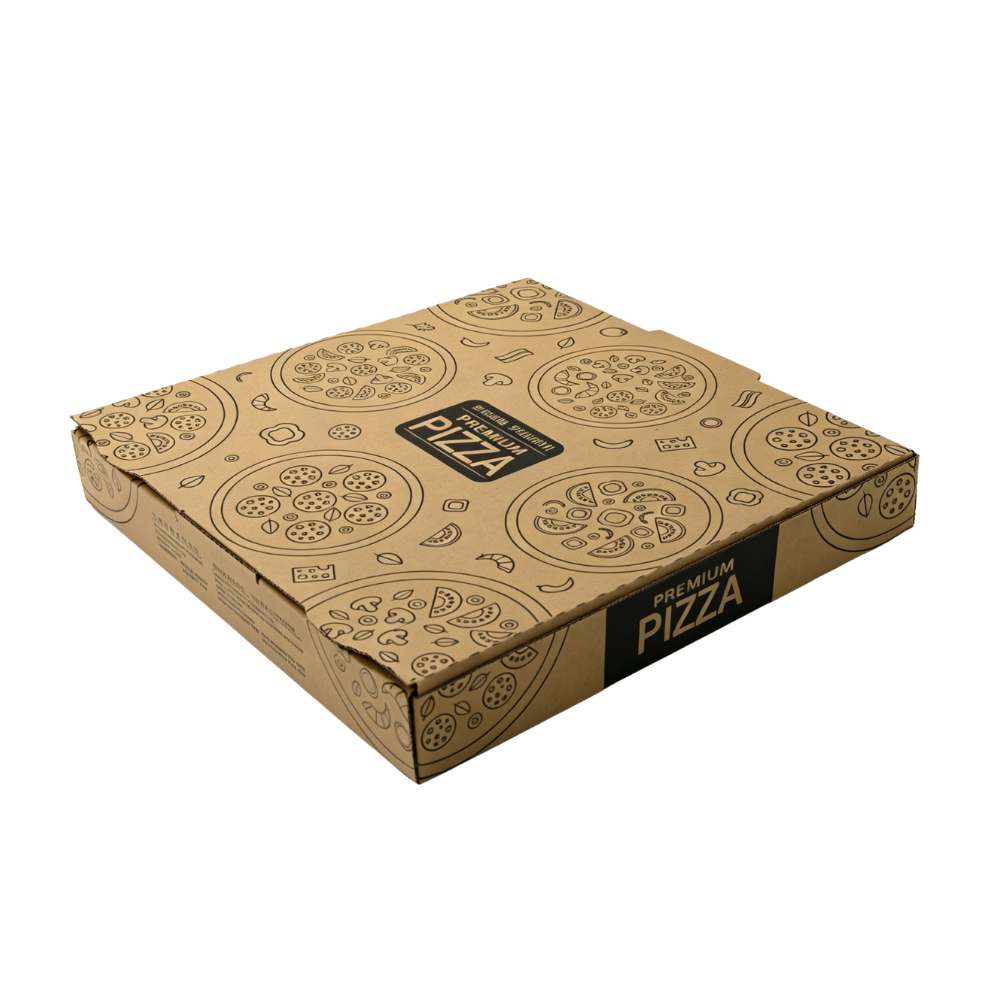
Packaging is no longer just a vessel; it is a critical marketing asset. To maximize ROI, brands are increasingly utilizing custom printed pizza boxes to display high-resolution logos, reheating instructions, and interactive QR codes.
However, poor quality pizza box paper will ruin even the best graphic design. If the outer liner is highly porous, coarse, or wildly inconsistent in its color profile, ink will feather, bleed, or appear washed out.
To achieve razor-sharp flexographic or offset printing, the outer liner must possess high "holdout"—meaning it keeps the ink on the surface rather than absorbing it deeply into the fibers.
For enterprise restaurant chains and high-volume packaging distributors, the biggest threat to profitability is inconsistency. If you source your corrugated cardboard pizza boxes from a generic converter who buys their paper on the open spot market, you will inevitably face batch-to-batch variations. One month the paper is strong and prints beautifully; the next month, it cracks, absorbs grease, and features faded graphics.
To secure reliable, high-performance sustainable paper packaging, buyers must look upstream to the actual paper production.
By partnering with a fully integrated manufacturer, you remove the guesswork. In an integrated system, the same company that harvests the wood operates the pulp mill, produces the pizza box paper, applies the PFAS-free barrier coatings, and executes the final die-cutting and printing.
This closed-loop control guarantees that every pallet of custom printed pizza boxes you receive is engineered to your exact specifications. From the microscopic fiber length that provides stacking strength to the precise surface smoothness that showcases your brand, understanding and controlling the raw material is the ultimate key to dominating the food delivery market.
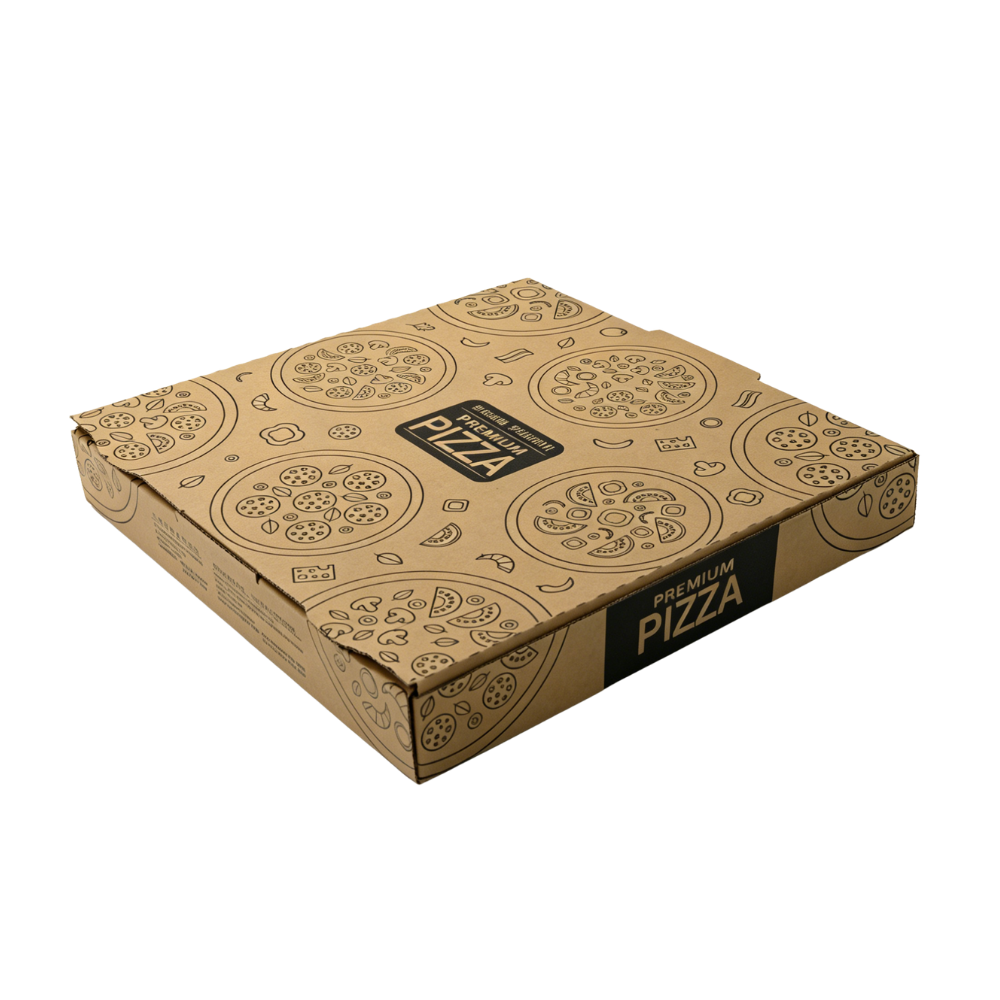
Our technical team can clarify how these insights apply to your specific product line and market requirements. Reach out to discuss your needs.

 EN