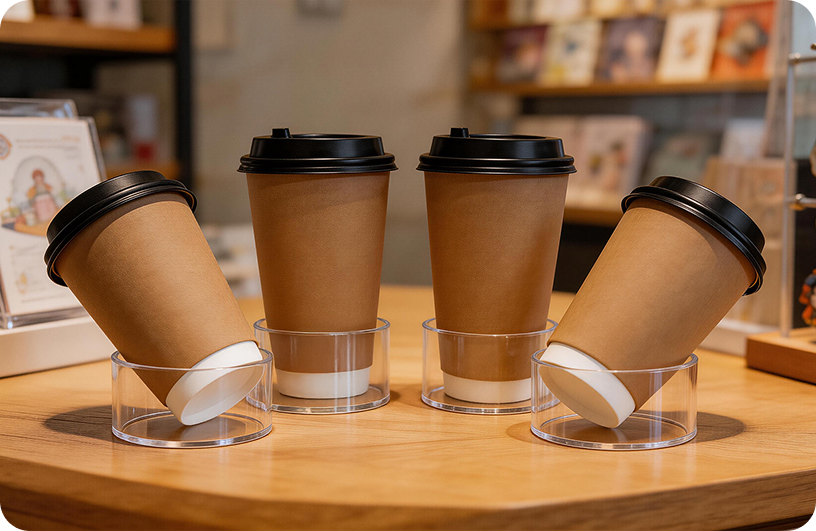
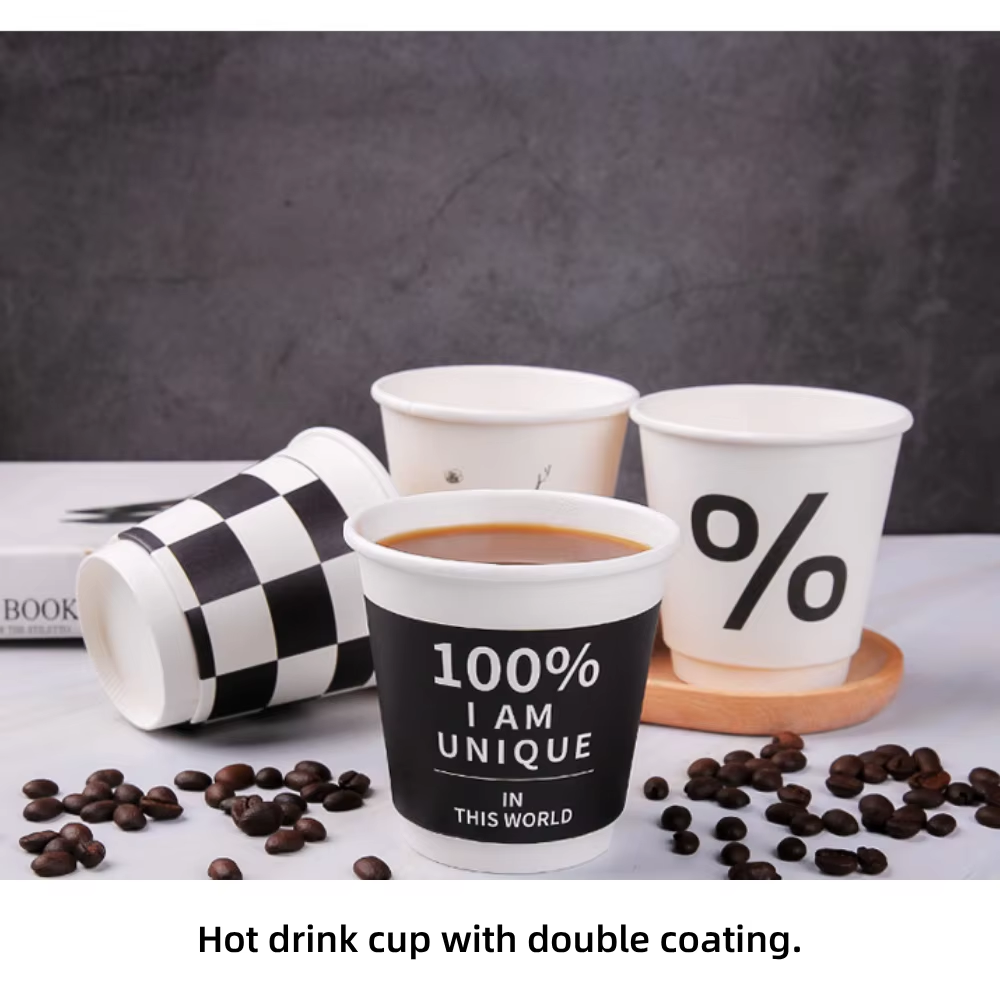
For cafés, beverage chains, convenience stores, office refreshment suppliers, and packaging distributors, white paper cups remain one of the most practical drink packaging choices. They look clean, suit different beverage menus, and can be used as stock cups or customized brand cups. But for B2B procurement, white paper cups should never be selected by appearance and unit price alone.
A good cup has to match the drink temperature, coating type, lid system, printing requirements, and delivery conditions. This is especially true when buyers purchase paper cups bulk for repeated monthly supply.
As a packaging solution provider backed by APP’s (APP China) integrated forest-pulp-paper-packaging capability, we focus on more than just finished cup forming. The quality of white paper cups starts from stable base paper, controlled coating, food-contact material management, and consistent converting. For buyers serving multiple stores, regions, or wholesale channels, that upstream control makes a real difference.
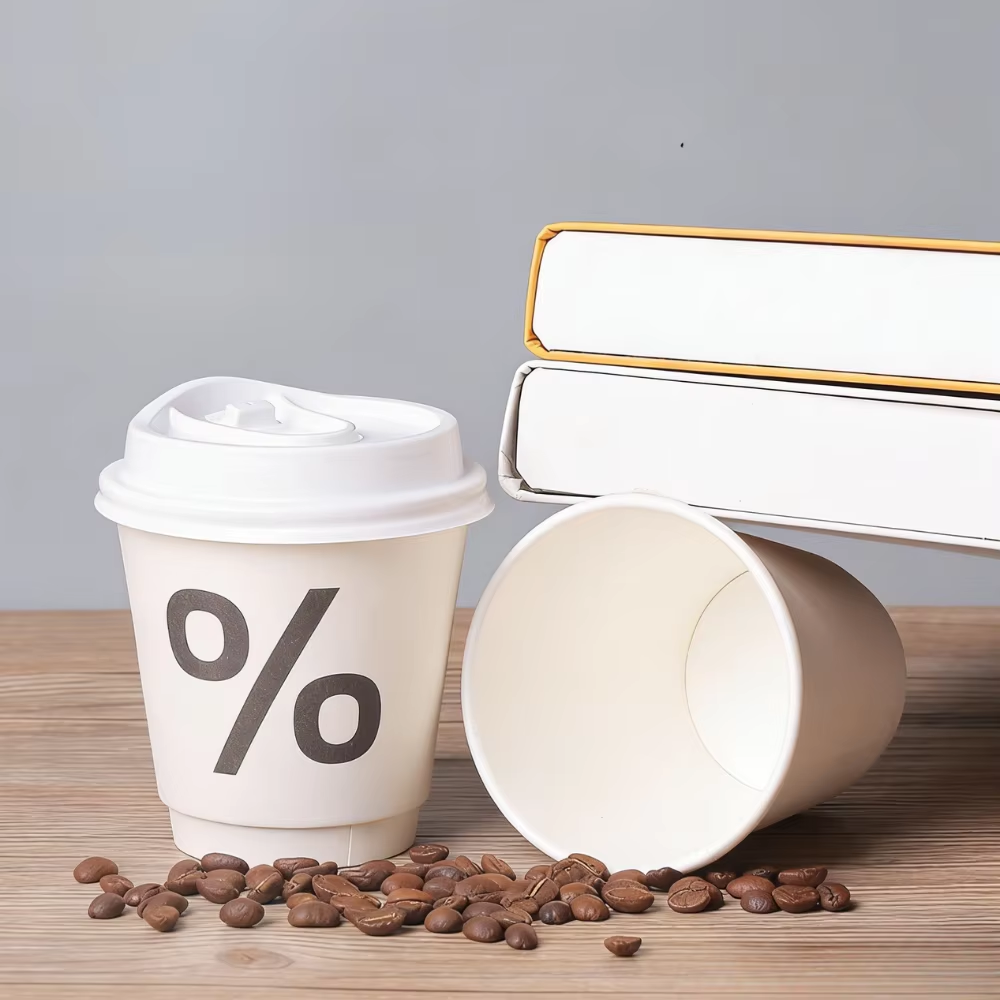
Many buyers choose white paper cups because they are simple, flexible, and commercially safe. A white surface works well for coffee, tea, hot chocolate, juice, milk tea, water service, and promotional sampling. For wholesale distributors, plain white paper cups are easier to keep in stock because they can be sold to different customers without being tied to one specific brand design.
There is also a practical quality advantage. On white paper cups, stains, uneven coating, poor rim curling, or surface defects are much easier to identify during visual inspection. This helps importers and chain buyers check incoming goods more efficiently.
In daily B2B use, white paper cups are usually purchased in three ways:
Although white paper cups may look like a basic item, experienced buyers know that small differences in board stiffness, coating weight, and rim diameter can heavily impact store operations.
Choosing the right size for white paper cups depends on the beverage type, serving portion, lid style, and local consumption habits. A 4 oz espresso cup and a 22 oz iced drink cup may both be made from paperboard, but their strength, coating, and lid requirements are very different.
| Cup Size | Typical Applications | Key Buying Considerations |
| 4 oz / 120 ml | Espresso, product tasting, water sampling | Light-duty use; suitable for events, offices, hotels, and sampling programs |
| 6 oz / 180 ml | Tea, small coffee, hospitality drinks | Often used in meeting rooms, catering, and quick-service beverage stations |
| 8 oz / 240 ml | Coffee, hot chocolate, tea | A common choice for paper cups for hot drinks; usually paired with sip lids |
| 10–12 oz / 300–360 ml | Regular takeaway coffee, milk tea, hot beverages | Requires stable rim forming and good lid compatibility for takeaway service |
| 16 oz / 480 ml | Large coffee, iced tea, cold drinks | Needs stronger paperboard, reliable coating, and tight lid matching |
| 20–22 oz / 600–660 ml | Smoothies, iced beverages, large cold drinks | Requires higher cup stiffness and better moisture resistance during longer holding time |
For coffee shops and beverage chains, 8 oz, 12 oz, and 16 oz white paper cups usually cover most hot drink menus. For cold beverage programs, 16 oz and 22 oz white paper cups are more common, especially when paired with flat lids, dome lids, or straw-slot lids.
One detail buyers sometimes overlook is compatibility. Cup height, top diameter, bottom diameter, and rim shape should match the filling machine, cup dispenser, cup carrier, and existing lid inventory. Before placing paper cups bulk orders, buyers should test real samples under store conditions instead of relying only on drawings or catalog specifications.
The coating inside white paper cups determines liquid resistance, heat performance, sealing stability, and end-of-life options. Two cups may look similar outside but perform very differently in actual service.
APP supports multiple material directions, allowing white paper cups to be matched more accurately to different drinks, markets, and brand sustainability goals.
When sourcing paper cups for hot drinks, buyers should pay attention to heat resistance, bottom sealing, side-seam strength, and hand comfort. A single-wall cup may be suitable for quick coffee service, while double-wall cups or sleeves are often needed for hotter beverages or longer takeaway times.
For cold drinks, the pressure is different. Ice, condensation, shaking, and longer holding time can weaken poor-quality cups. Cold drink white paper cups need enough board stiffness to keep their shape and a coating that can resist moisture during actual use.
In practical testing, buyers should check if the cup softens after holding hot liquid, if the bottom leaks after extended filling, and if the rim remains round after transport.
Many leakage complaints are not caused by the cup body itself, but by poor lid matching. For paper cups with lids, even a minor variation in rim diameter or curl shape can make the lid too loose or pop off during delivery.
That is why paper cups with lids should be treated as one single packaging system. Hot coffee normally uses sip lids, while cold beverages may need flat lids or dome lids. Before approving mass production, procurement teams should confirm top diameter tolerance, lid locking strength, and packing protection for cup rims.
When buying white paper cups in bulk, professional buyers compare price, MOQ, and lead time. But long-term supply consistency is just as critical. APP’s integrated supply capability helps manage quality from base paper to finished packaging. This supports more stable board quality, coating performance, printing color, and forming accuracy for repeat orders.
For paper cups bulk orders, buyers should also check carton strength, sleeve quantity, inner bag packing, pallet loading, and container utilization. These details heavily influence landed cost and warehouse handling.
White is a strong base for branding. Logos, QR codes, and promotional messages appear clean and sharp on white paper cups. APP supports brand-focused customization, including Pantone color matching and various printing processes based on artwork and order volume.
Additionally, food-contact safety is non-negotiable. Buyers should request documentation according to their destination market, such as FDA-related food-contact compliance, ISO quality systems, and forest certification (PEFC). For global buyers, the safest approach is to define the market first, then choose the right coating and certification.
A beverage distributor supplying cafés and office pantries needed 12 oz and 16 oz white paper cups for regular monthly replenishment. Their previous issue was inconsistent lid fit—one shipment worked well, while the next had slight rim variations causing takeaway leakage.
The solution was to utilize APP's integrated production. We standardized the cup top diameter, rim curl, paperboard structure, and matching lid specifications before mass production. Samples were tested with hot coffee and iced tea. After approval, the buyer moved to scheduled paper cups bulk purchasing with fixed technical requirements, eliminating the leakage issue completely.
The best white paper cups are not just clean-looking disposable items; they are engineered packaging products that must seamlessly match beverage temperatures, lid systems, brand identities, and food-contact safety standards. For B2B buyers sourcing plain white paper cups or customized solutions for mixed beverage programs, a stable supply chain is the ultimate guarantee of quality. With APP’s integrated pulp-paper-packaging strength and global manufacturing experience, buyers can secure reliable, high-quality white paper cups with consistent performance from the very first sample to long-term bulk deliveries.
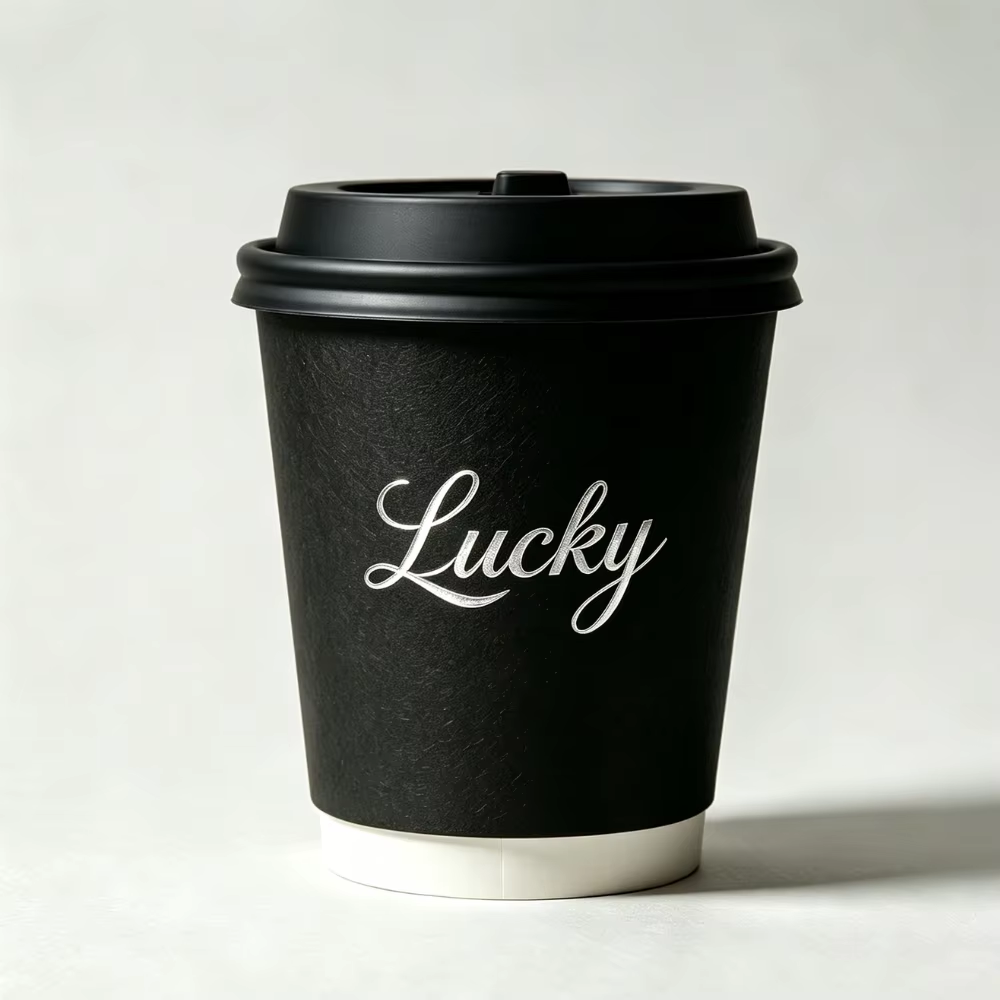
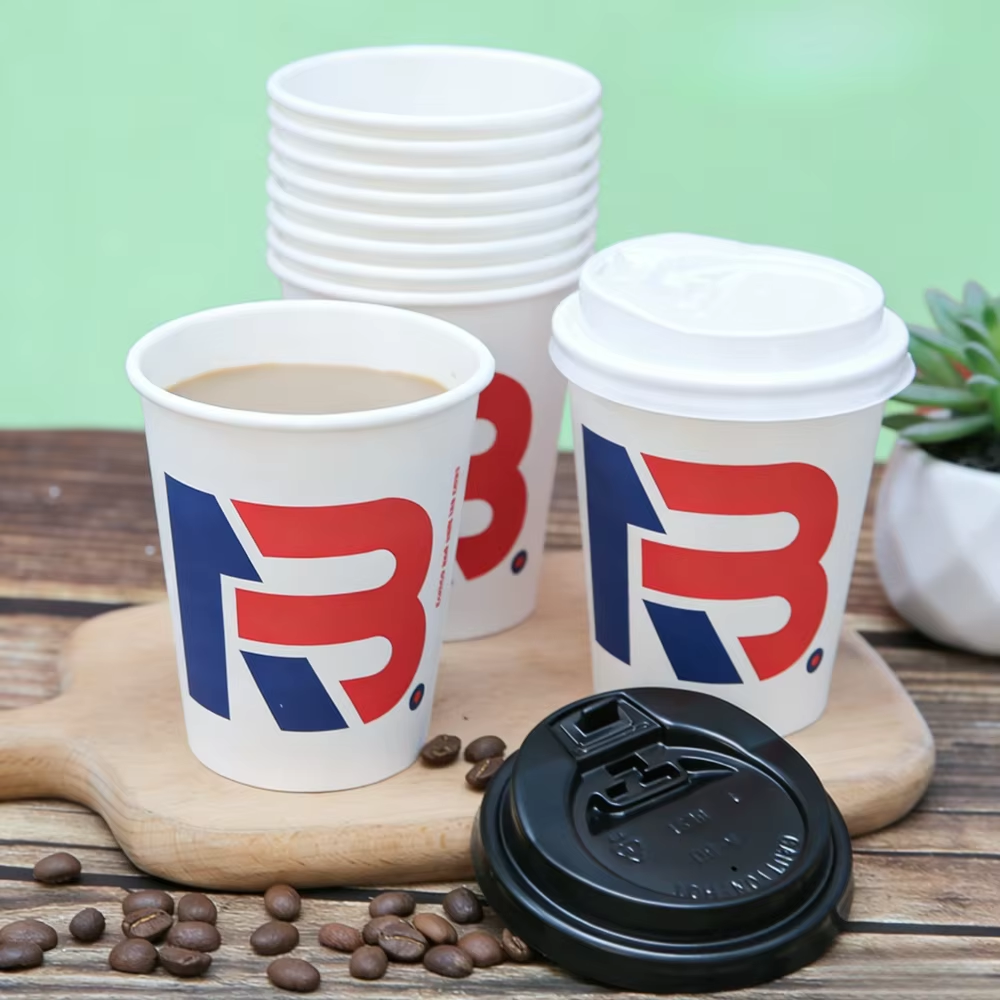
Our technical team can clarify how these insights apply to your specific product line and market requirements. Reach out to discuss your needs.

 EN