Bio Paper Cups | Beverage Packaging for Cafes and Offices

Get a Free Quote

Our representative will contact you soon.
Name
Company Name
Email
Mobile
What are you looking for
Message/Project Details
0/1000
Bio Paper Cups for Coordinated Everyday Beverage Service

Bio Paper Cups for Coordinated Everyday Beverage Service

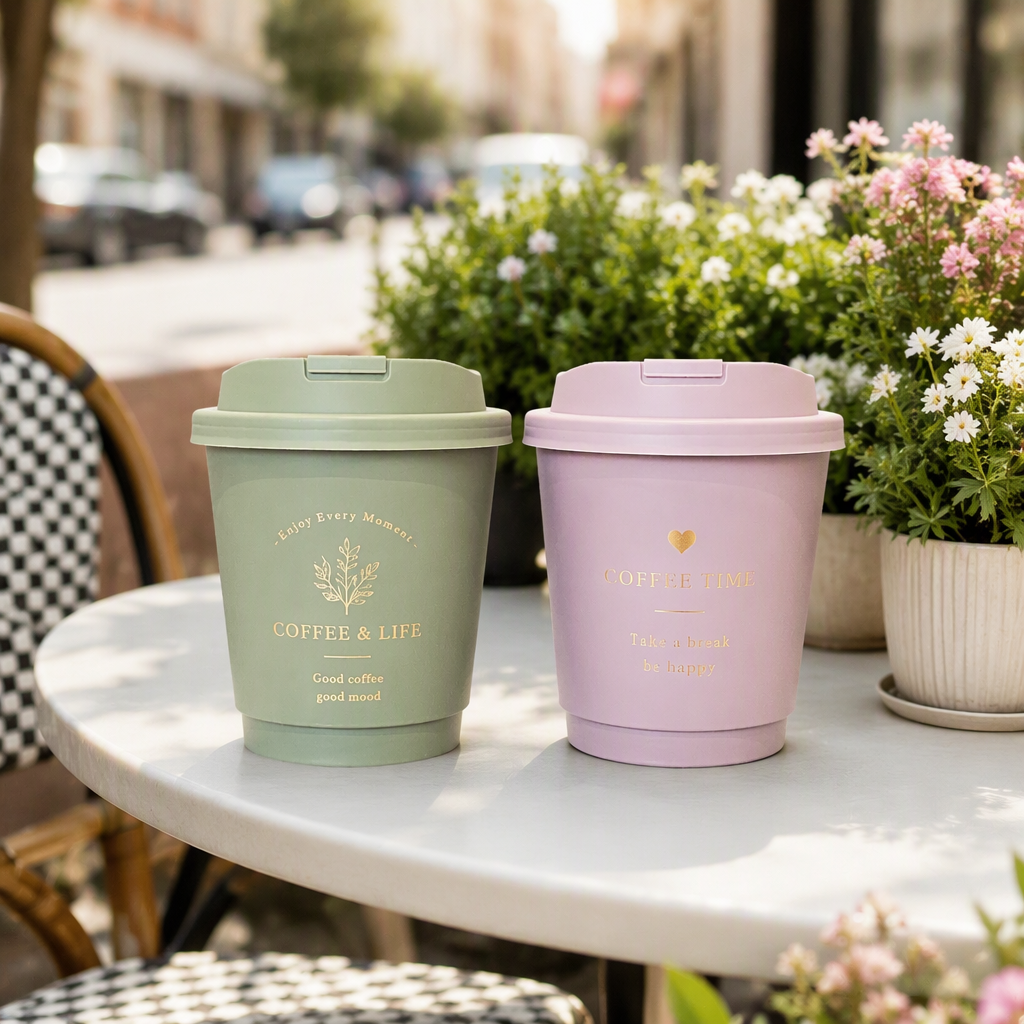
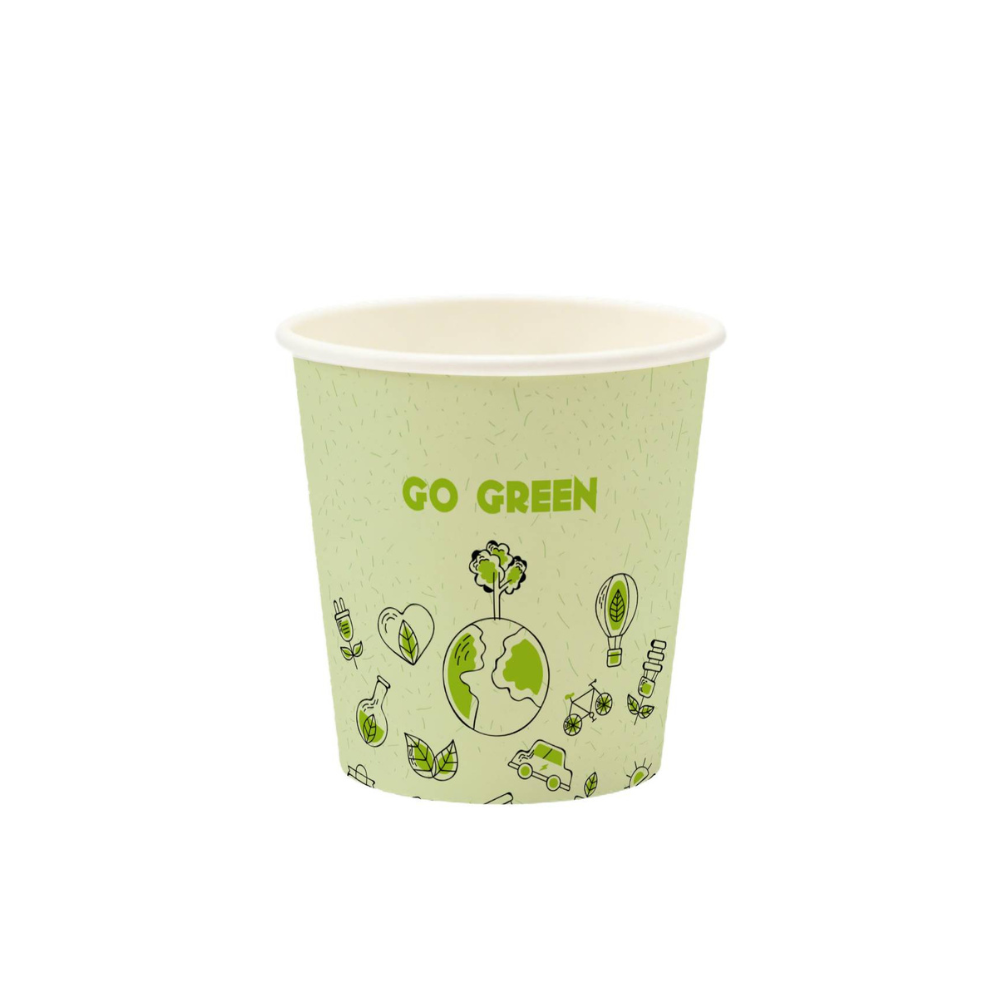
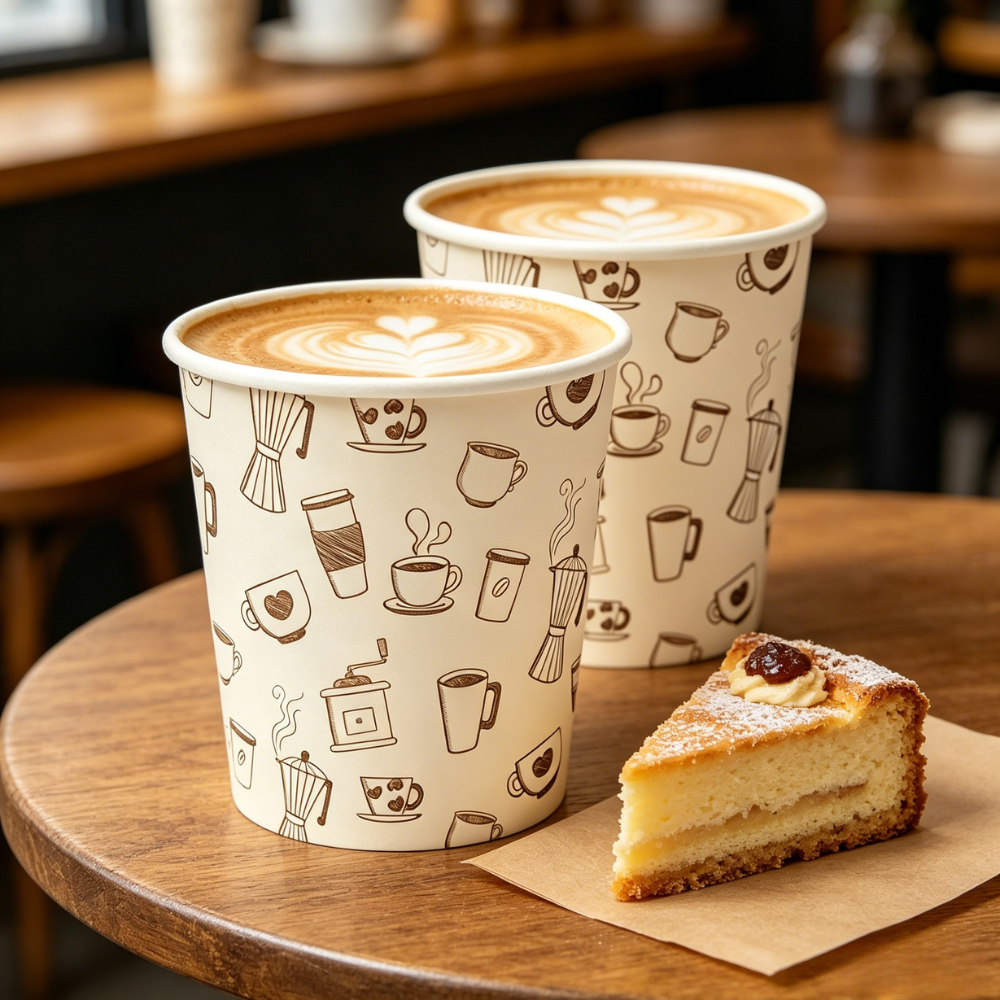
Build a consistent beverage packaging range with bio paper cups selected around your menu, presentation, and collection arrangements. The term “bio” is a broad commercial description, not a certification: paper source, lining composition, and disposal suitability still need to be specified. For cafes, bakeries, and workplace refreshment stations, bio coffee cups can provide a shared packaging style across different drink sizes. Consider a coordinated design with readable order labels, identifiable capacities, and matching accessories. Choose each format according to its intended temperature and holding time, then verify any environmental claims against product documentation. A practical range should help staff recognize, prepare, and replenish the right cup without adding unnecessary complexity.
Get A Quote

Practical Advantages of a Coordinated Bio Paper Cups Range

Organize drink presentation and purchasing around consistent designs, clearly identified formats, and documented specifications.

Consistent Menu Presentation

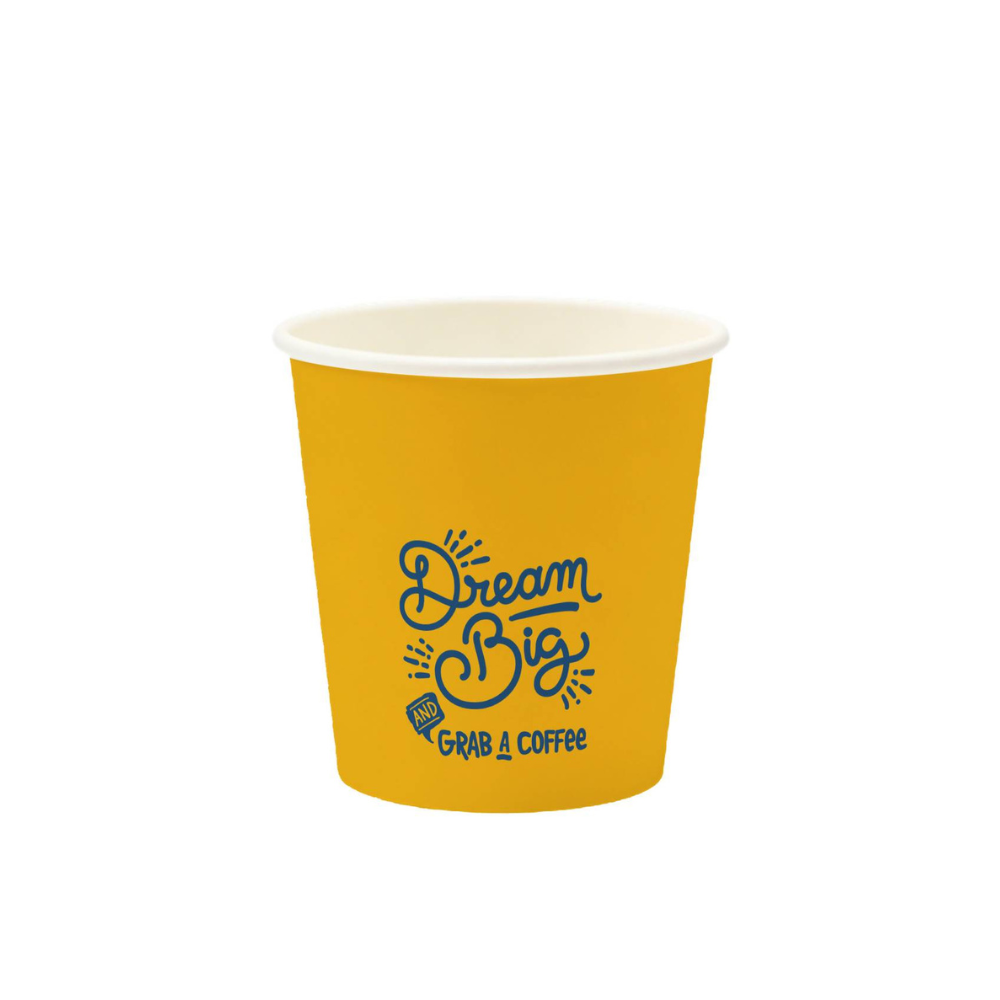
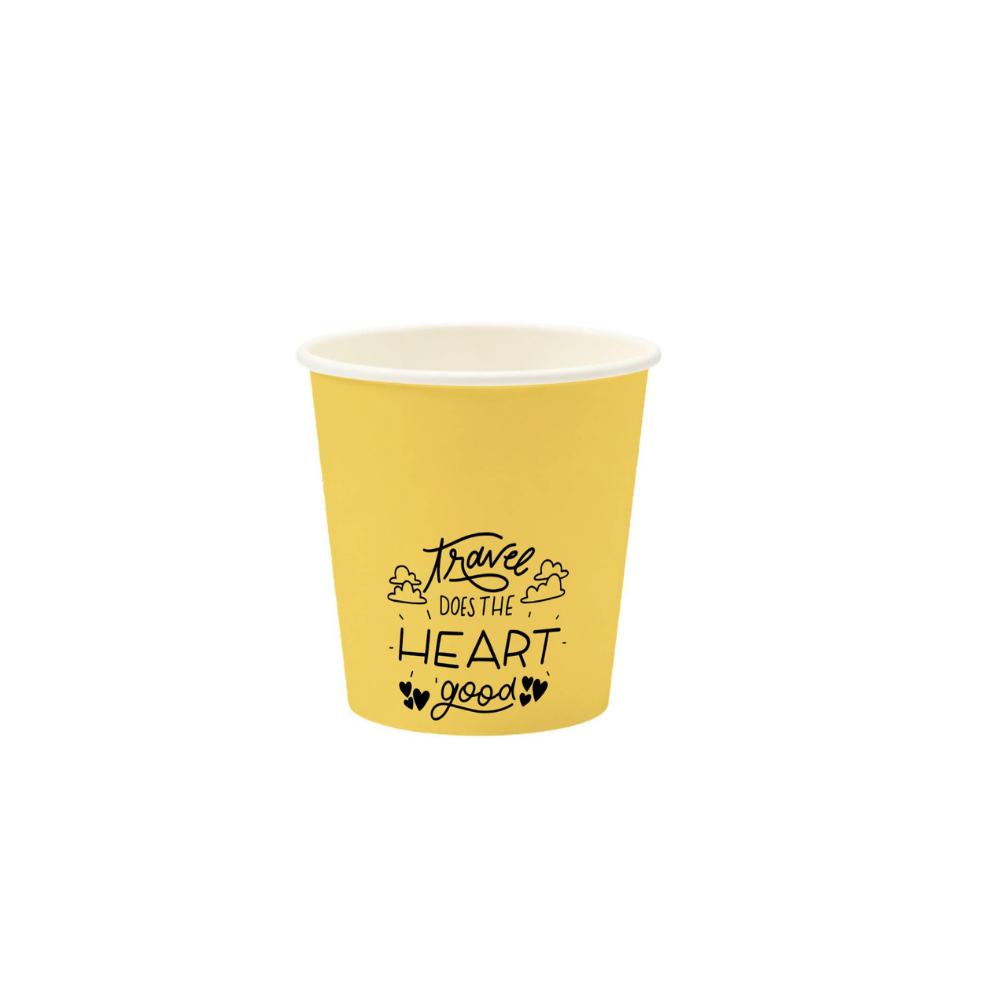
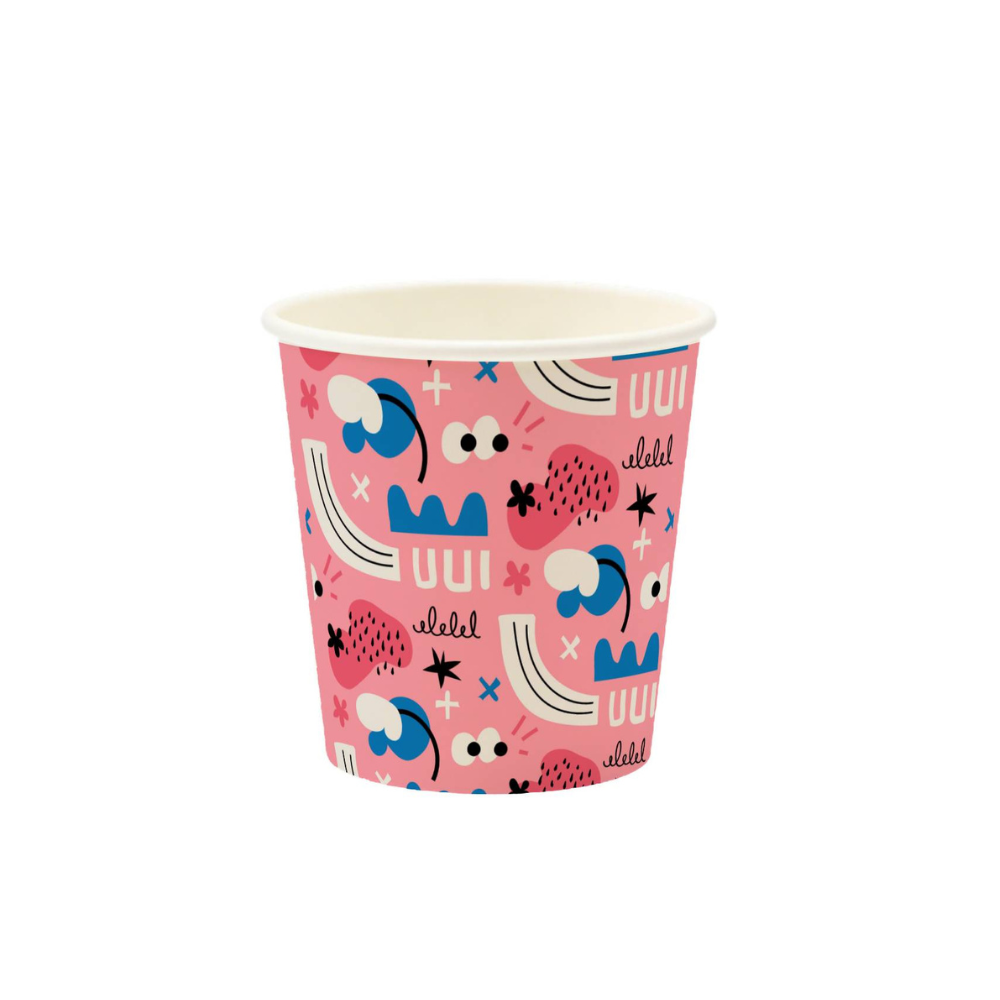
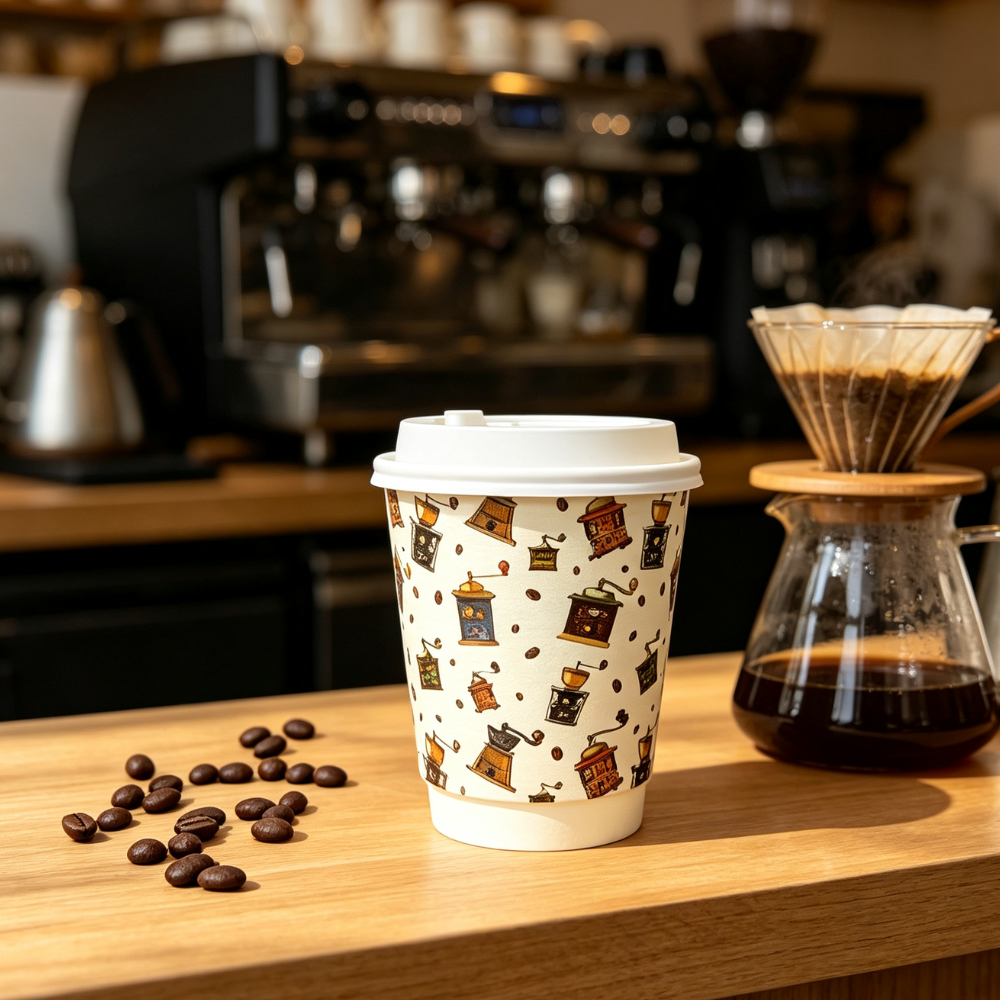
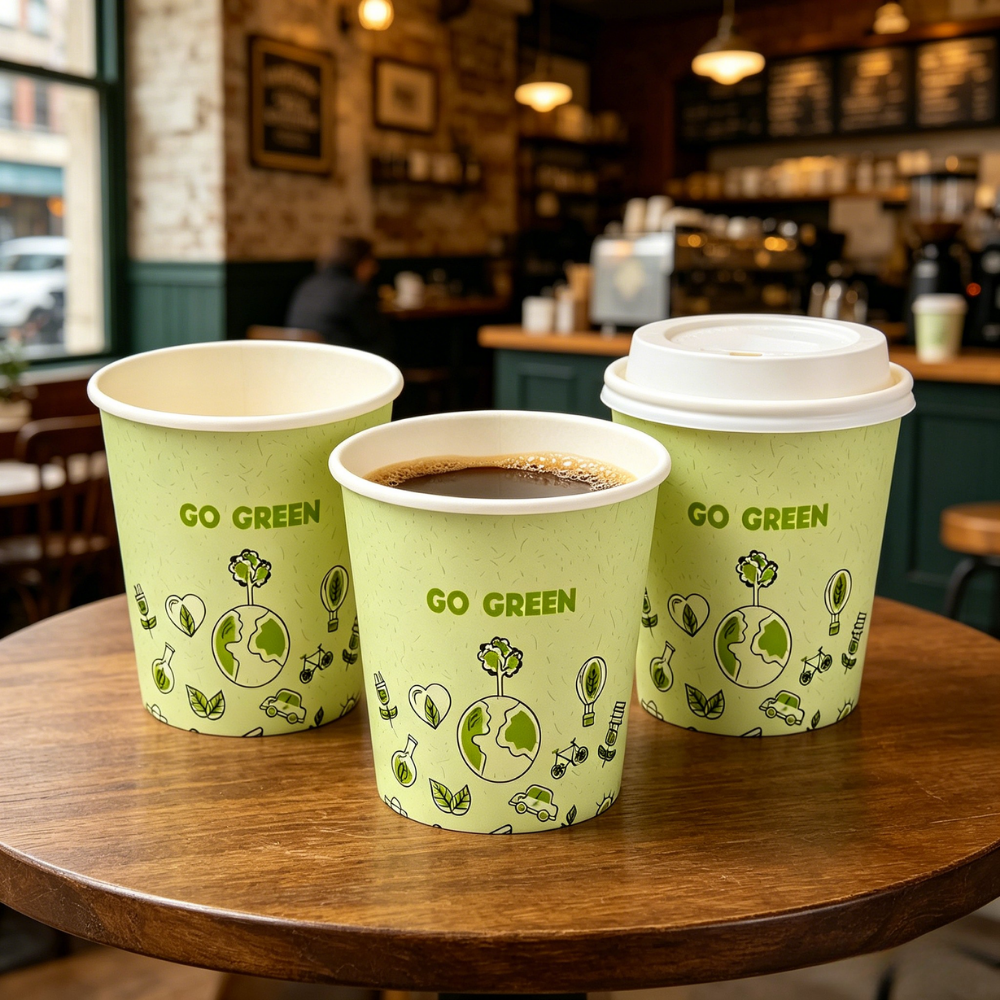
Bio paper cups can carry a common visual identity across espresso, regular coffee, and larger drink portions. Shared design elements connect the range without making every size look identical.

Readable Order Identification

Reserve an uncluttered area on bio coffee cups for names, milk choices, and preparation notes. Test the intended pen or label on the actual surface before approving artwork.

Application-Based Formats

Specify bio paper drinking cups by beverage use rather than appearance alone. Different wall structures and barrier systems can be considered for hot service, chilled drinks, or shorter consumption periods.

Structured Purchasing

A defined range of bio paper cups gives each approved format a product code and specification. This helps purchasing teams distinguish intentional alternatives from substitutions requiring further review.

Bio Paper Cups for Cafes, Bakeries, and Workplace Counters

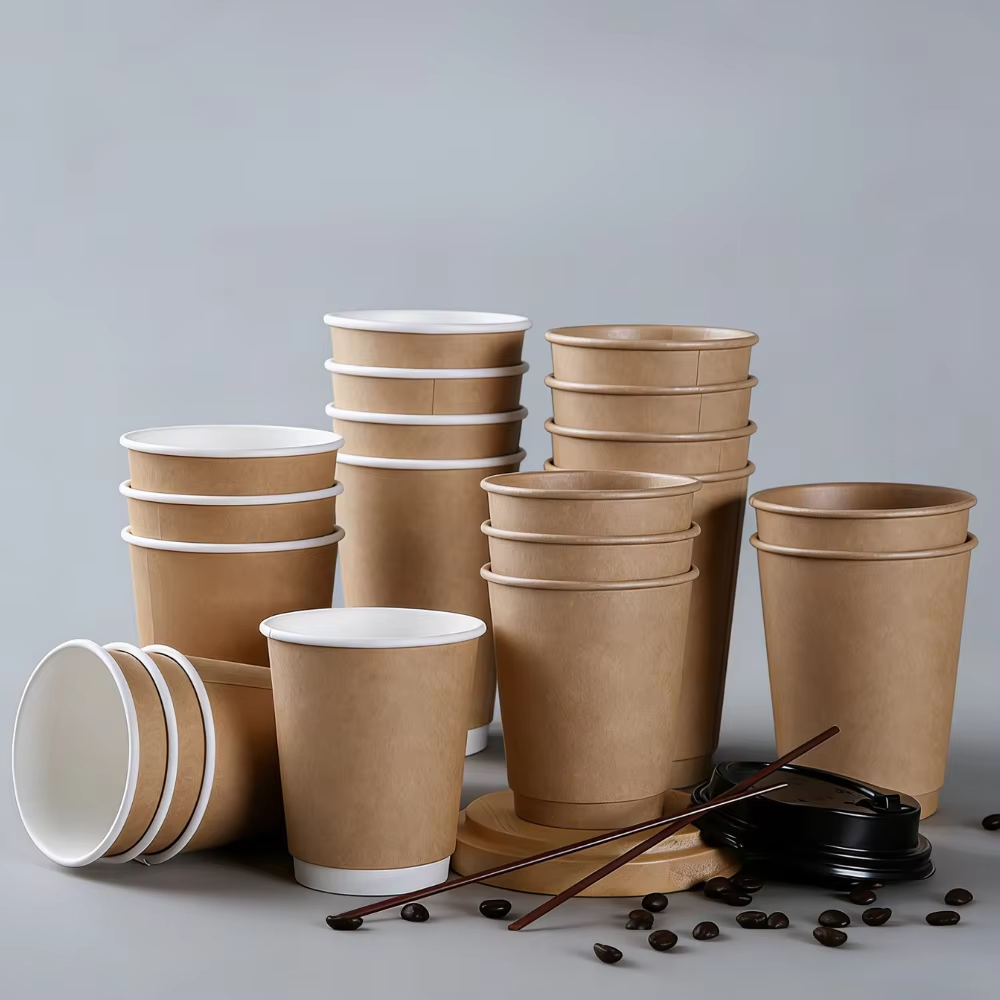
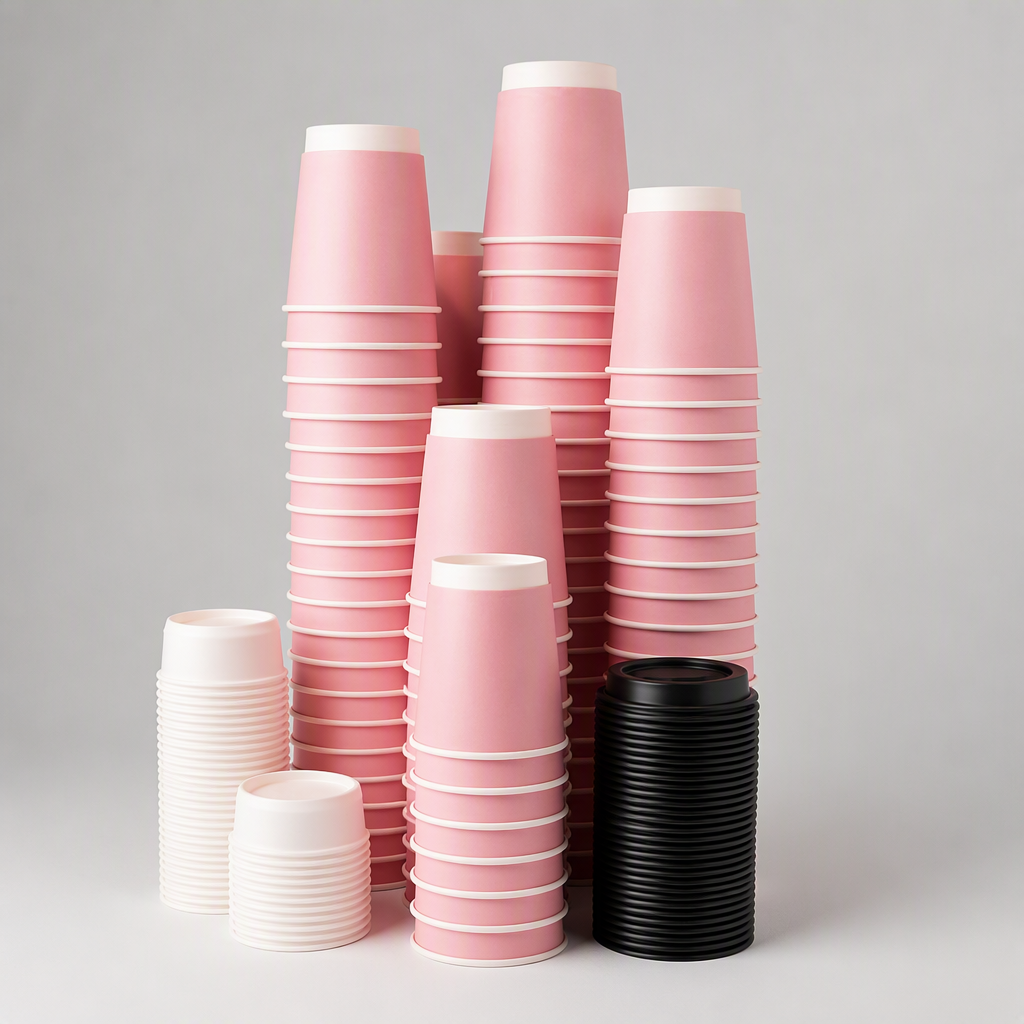
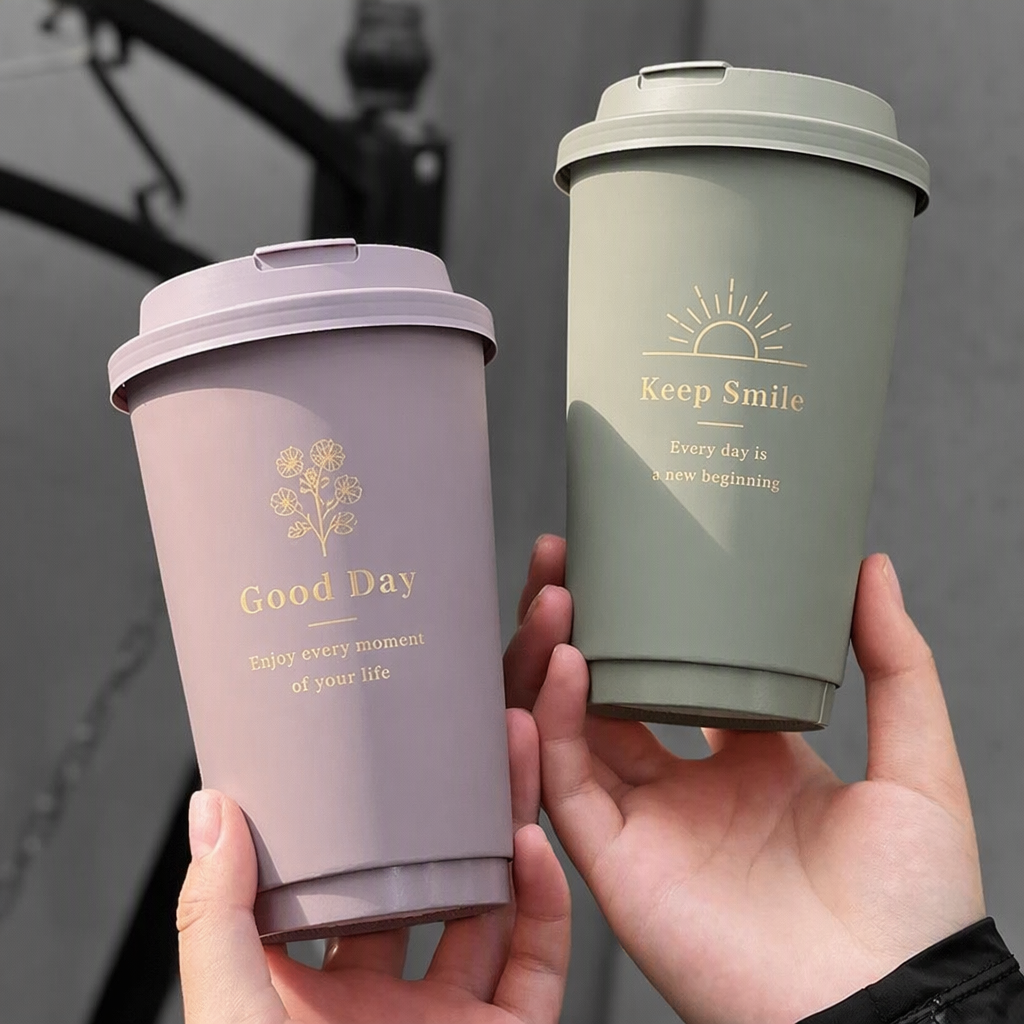
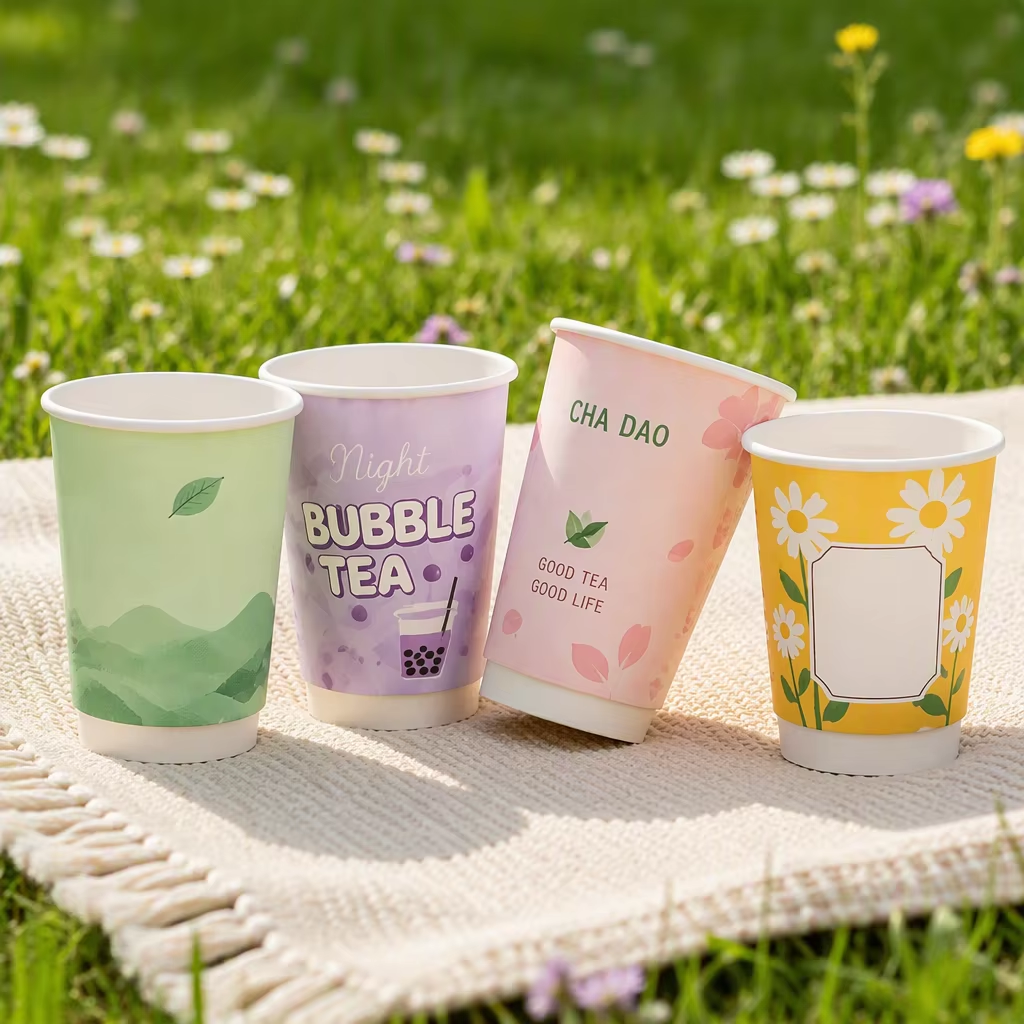
Plan your bio paper cups range around the portions customers actually order. Common market formats include espresso, small, regular, and large takeaway cups, with exact capacities and dimensions varying by supplier. Compare single-wall formats used with sleeves against double-wall alternatives where appropriate. White, brown, and printed finishes can support a coordinated presentation, but appearance does not establish material content or compostability. For bio coffee cups, request a specification covering the paperboard, barrier, intended use, and available accessories. Select bio paper drinking cups with clearly differentiated size markings and artwork suited to your ordering process. Confirm availability, minimum quantities, sample approval, and packing details before finalizing the range.

Build the Range Around Sales, Not Assumptions

Introducing bio paper cups does not require replacing every existing format at once. Begin with sales by beverage and portion size, then identify the combinations used most frequently. A bakery serving mostly regular coffees may need a different assortment from a workplace counter offering tea and small espresso drinks.
Use that information to prioritize bio coffee cups for the busiest applications. Avoid adding sizes solely because they appear in a catalogue; each additional item needs storage space, replenishment, and staff recognition.

Separate Brand Design from Service Information

A shared design helps connect bio paper cups visually, but service details should remain easy to find. Leave space for order labels and distinguish sizes through readable text or symbols rather than color alone.
For example, a cafe could use the same logo across its bio paper drinking cups while adding a clear size identifier near the base. The final arrangement should be checked on formed samples, where seams and curvature can change visibility.

Control Changes Across Locations

Keep an approved specification for bio paper cups at each purchasing point. A substitute with a similar appearance may have a different lining, lid fit, or permitted use. Compare those details before authorizing a change.
Environmental wording needs the same control. Bio disposable cups are not automatically home-compostable, recyclable, or plastic-free. Ensure that artwork reflects the supplied product and the disposal options available where it will be used.

Frequently Asked Questions About Bio Paper Cups

Planning guidance for product selection, artwork, accessories, and responsible environmental communication.

What does “bio” mean on paper cup packaging?

The term has no single technical meaning across all markets. Bio paper cups may be marketed around renewable content, bio-based linings, or compostability. Ask the supplier to explain the specific claim and provide supporting documentation.
Not necessarily. Exterior color does not identify the lining or its quantity. Compare material specifications rather than treating a brown finish as evidence of a particular environmental benefit.
Possibly, but each selected product must be suitable for the intended conditions. Bio paper drinking cups used for chilled beverages may need consideration of exterior condensation as well as internal liquid resistance.
That depends on the exterior finish and writing tool. Test ink drying, smudging, and readability on samples. Adhesive order labels are another option, subject to surface compatibility and disposal requirements.
Inclusion varies by quotation and packing arrangement. Confirm whether lids are supplied separately or as a set. Match the exact cup and lid specifications rather than relying only on nominal drink capacity.
Follow instructions supported by the product's documentation and local collection rules. Compostability requires appropriate evidence and an accepting facility; recyclability also depends on the collection and processing system.

Related Articles

Paper Coffee Cups Guide: Choosing the Right Cup for Hot Coffee and Takeaway Service

22

Sep

Paper Coffee Cups Guide: Choosing the Right Cup for Hot Coffee and Takeaway Service

Match your menu to your cups. A B2B manufacturer's guide on selecting the right paper coffee cups, comparing single-wall, double-wall, and ripple designs.
View More
Choosing Disposable Cups Paper for Hot Drinks, Cold Drinks, and Custom Printed Cups

22

Sep

Choosing Disposable Cups Paper for Hot Drinks, Cold Drinks, and Custom Printed Cups

A B2B guide to sourcing disposable cups paper. Learn how GSM, double-PE coatings, and surface smoothness impact hot drinks, cold drinks, and custom printing.
View More
Disposable Cups Market Trends: Sustainable Materials, Custom Branding, and Bulk Supply

22

Sep

Disposable Cups Market Trends: Sustainable Materials, Custom Branding, and Bulk Supply

Explore B2B market trends for disposable cups. A guide for procurement teams on sustainable materials, custom branding ROI, and optimizing bulk supply chains.
View More
Compostable Paper Cups Guide: What Foodservice Buyers Should Know Before Bulk Ordering

22

Sep

Compostable Paper Cups Guide: What Foodservice Buyers Should Know Before Bulk Ordering

A B2B procurement guide for compostable paper cups. Learn about PLA vs. Aqueous coatings, thermal limits for compostable hot cups, and shelf-life management.
View More

Illustrative Buyer Perspectives on Bio Paper Cups

Iris Bennett
Multi-Site Bakery Buyer

“For our bio paper cups range, we would prioritize clearly marked sizes. Staff should be able to distinguish the regular and large formats without comparing them side by side.”

Adrian Okafor
Workplace Refreshments Coordinator

“When selecting bio coffee cups, we would check how order labels adhere to the surface. Legible names and drink notes matter at our shared collection counter.”

Celia Navarro
Hospitality Purchasing Manager

“We would assess bio disposable cups alongside their carton quantities and reorder references. A defined specification would help us review substitutions before sending them to individual sites.”

Get a Free Quote

Our representative will contact you soon.
Name
Company Name
Email
Mobile
What are you looking for
Message/Project Details
0/1000
Design a Cup Family That Staff Can Identify Quickly

Design a Cup Family That Staff Can Identify Quickly

A coordinated range of bio paper cups should look related without making neighboring sizes difficult to tell apart. Start with a shared logo position, then assign each capacity a readable size marker that remains visible when cups are stacked near the till. Do not rely on color alone, since lighting, printing variation, and color vision differences can affect recognition. For bio coffee cups, leave a quiet area for customer names or order labels instead of covering the whole surface with graphics. Check the design on formed samples, not only flat artwork: the side seam and curved wall can interrupt text or hide a symbol. Ask staff to identify empty cups during a short service trial and note any confusion. Adjust the layout before approving a full print run. This approach connects brand presentation with everyday use while keeping preparation details separate from environmental claims and decorative elements.
Match Replenishment to Site Demand and Available Space

Match Replenishment to Site Demand and Available Space

Ordering bio paper cups across several locations requires more than choosing a common design. Record weekly use by size and compare it with the space available for unopened cartons and counter stock. A small kiosk may need a different delivery frequency from a bakery with a storeroom, even when both use the same cup specification. For bio paper drinking cups, list the units per sleeve, sleeves per carton, and product code in the purchasing record so staff can calculate stock consistently. Keep lids and sleeves on the same planning sheet, but do not assume their consumption will always match cup use exactly. Allow for damaged items, sampling, and customers who decline a lid. Review stock after menu changes or events rather than maintaining the same order indefinitely. A replenishment plan helps buyers avoid unnecessary stock while preserving a clear route for checking shortages, substitutions, and delivery discrepancies.
Keep Printed Claims Aligned with the Supplied Product

Keep Printed Claims Aligned with the Supplied Product

Printed environmental wording on bio paper cups should remain accurate when materials, suppliers, or collection arrangements change. Maintain an approved artwork file with a record of the product specification and supporting documents used to authorize each claim. A change in lining, ink, or added label may require review rather than automatic reuse of an existing design. For bio disposable cups, avoid statements such as plastic-free or home-compostable unless evidence supports the finished item. Where certification marks are used, check permission, scope, and the required wording before printing. Disposal instructions should also reflect the destination market; a collection route available at one venue may not exist at another. Reserve a revision reference in the production record so older stock can be identified. This keeps purchasing, marketing, and site teams working from the same information without relying on the word bio alone.